
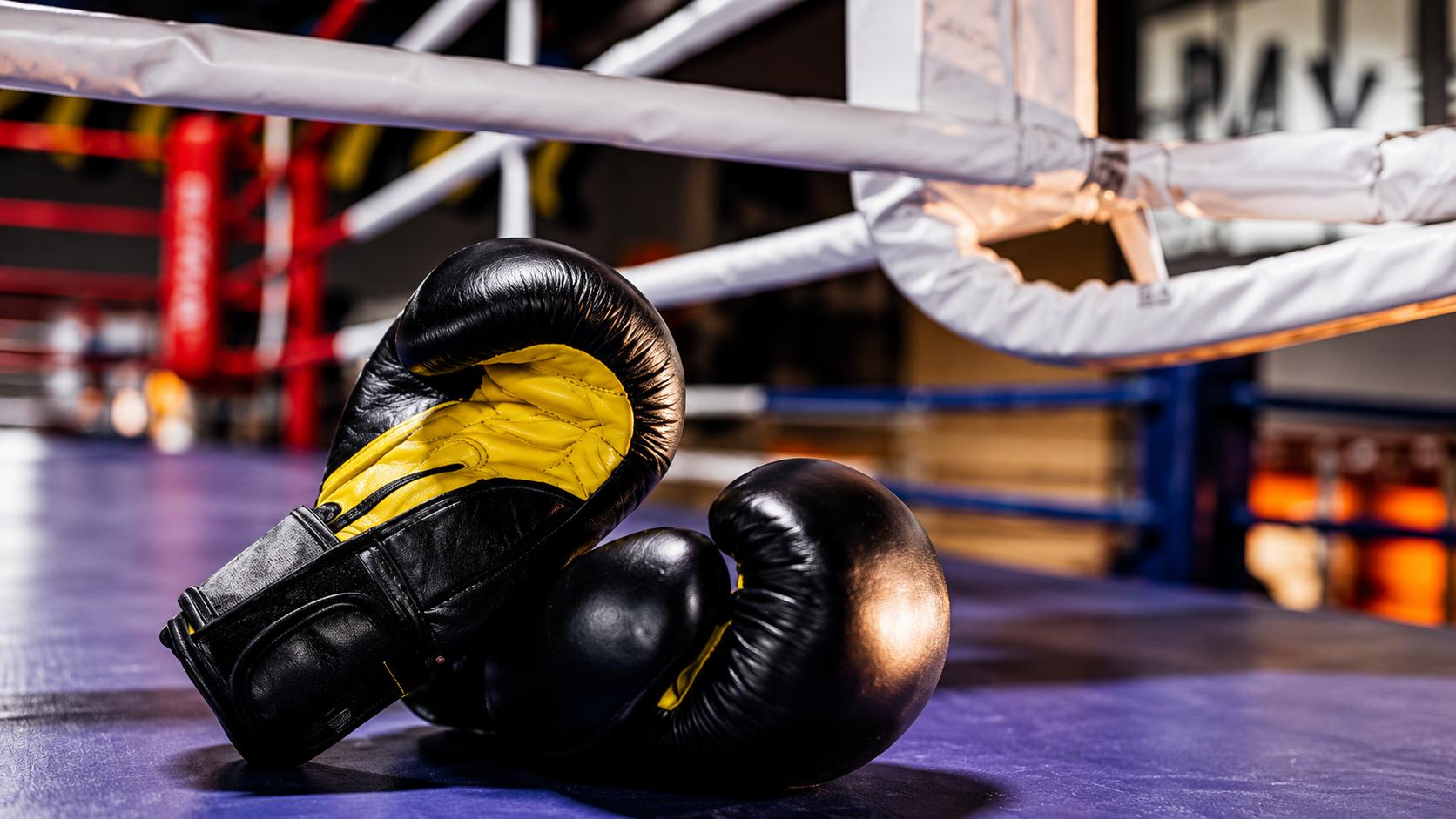
Boxing has deep roots in North East sporting culture, with a network of local gyms across Newcastle and the wider region producing generations of fighters, many of whom have gone on to compete for domestic and, in some cases, world titles. The sport's working-class roots have always sat comfortably within the region's broader sporting identity.
Amateur boxing clubs form the essential foundation of this tradition, offering structured training and competition to young people across the region, often in areas where organised sport more generally can be harder to access. For many fighters, those early years spent training at a local gym provide their first genuine introduction to competitive sport of any kind.
The pathway from amateur boxing through to the professional ranks has produced several North East fighters who have gone on to compete at genuinely elite level, carrying local pride with them into arenas and title fights far beyond the region itself. Homecoming fights, when a local fighter returns to box in front of a hometown crowd, have consistently proven to be among the most electric sporting occasions the region has to offer.
Coaching expertise built up over decades within North East gyms has become something of a regional speciality in its own right, with several trainers based in the area developing reputations that extend well beyond the fighters they have worked with locally, drawing boxers from further afield who specifically seek out that regional coaching tradition.
Women's boxing has grown considerably within the region's gyms in recent years too, mirroring a wider national trend in the sport, with increasing numbers of young women taking up boxing both competitively and for fitness, broadening a tradition that for much of its history was dominated almost exclusively by male participants.
Community boxing programmes have also taken on a role well beyond pure sporting development, with several gyms across the region specifically using the discipline and structure of boxing training as a tool for engaging young people who might otherwise struggle to connect with more conventional team sports or structured activities.
Local media coverage of homecoming fights has historically played a significant role in building anticipation for these events, with regional newspapers and radio stations often dedicating considerable coverage to a hometown fighter's build-up, helping generate the kind of ticket demand that smaller regional promotions might otherwise struggle to achieve on their own.
Sponsorship and support from local businesses has also helped sustain many of the region's boxing gyms over the years, providing the kind of modest but essential funding that keeps facilities open and equipment maintained, particularly in areas where the sport's grassroots infrastructure might otherwise struggle without that community backing.
Retired fighters from the region have frequently returned to their original gyms in a coaching or mentoring capacity, passing on lessons learned across their own careers to the next generation of young boxers training in the very same facilities where their own journeys first began.
From modest local gyms to genuine world title fights, boxing's presence in North East sporting life remains a quieter but no less significant part of the region's overall sporting identity, built on the same foundations of hard work and community that define so much of local sport here.
Share your comments below.
Which North East boxer do you rate most highly?
Sports News
Newcastle's Boxing Heritage: From Local Gyms to World Titles
The North East has a long and proud boxing tradition, with local gyms producing fighters who have gone on to compete for domestic and world titles.
Advertisement

Comments (0)
You must be logged in to post comments.
Don't have an account? Register here
No comments yet. Be the first to share your thoughts!