
Supporting your club is supposed to be a birthright, but it has rarely been more expensive. For Newcastle United fans, the soaring success of recent years has come with a steadily rising price tag, and the cost of following the team has become a live issue between supporters and the club.
A Run of Increases.
Season ticket prices at St James' Park have risen for several years in succession. For the most recent campaigns, prices across the stadium went up by around 5 per cent, following a similar rise the year before, and a further 5 per cent increase was confirmed for the season ahead.
Junior prices have been frozen and concessions retained, and the club has pointed to the option of spreading payments interest-free over twelve months to soften the blow. The club has framed the rises as reluctant but unavoidable if it is to keep pace with its ambitions, while acknowledging that its Fan Advisory Board had pushed for a full freeze.
The End of the Freeze.
The headline percentages, though, mask a far sharper shock for one group of supporters. Many long-standing season ticket holders had been paying prices effectively frozen since the previous ownership era, and the ending of that freeze has meant dramatic increases for them.
In some cases, a seat that had cost a fan in the region of 460 pounds was repriced to over 760 pounds, an increase of around 60 per cent in a single step. Even allowing for the fact that those prices had been held artificially low for years, and remain below where straightforward inflation would have taken them, an increase of that size lands hard on supporters who had budgeted around the old figure.
Matchday Tickets and Membership.
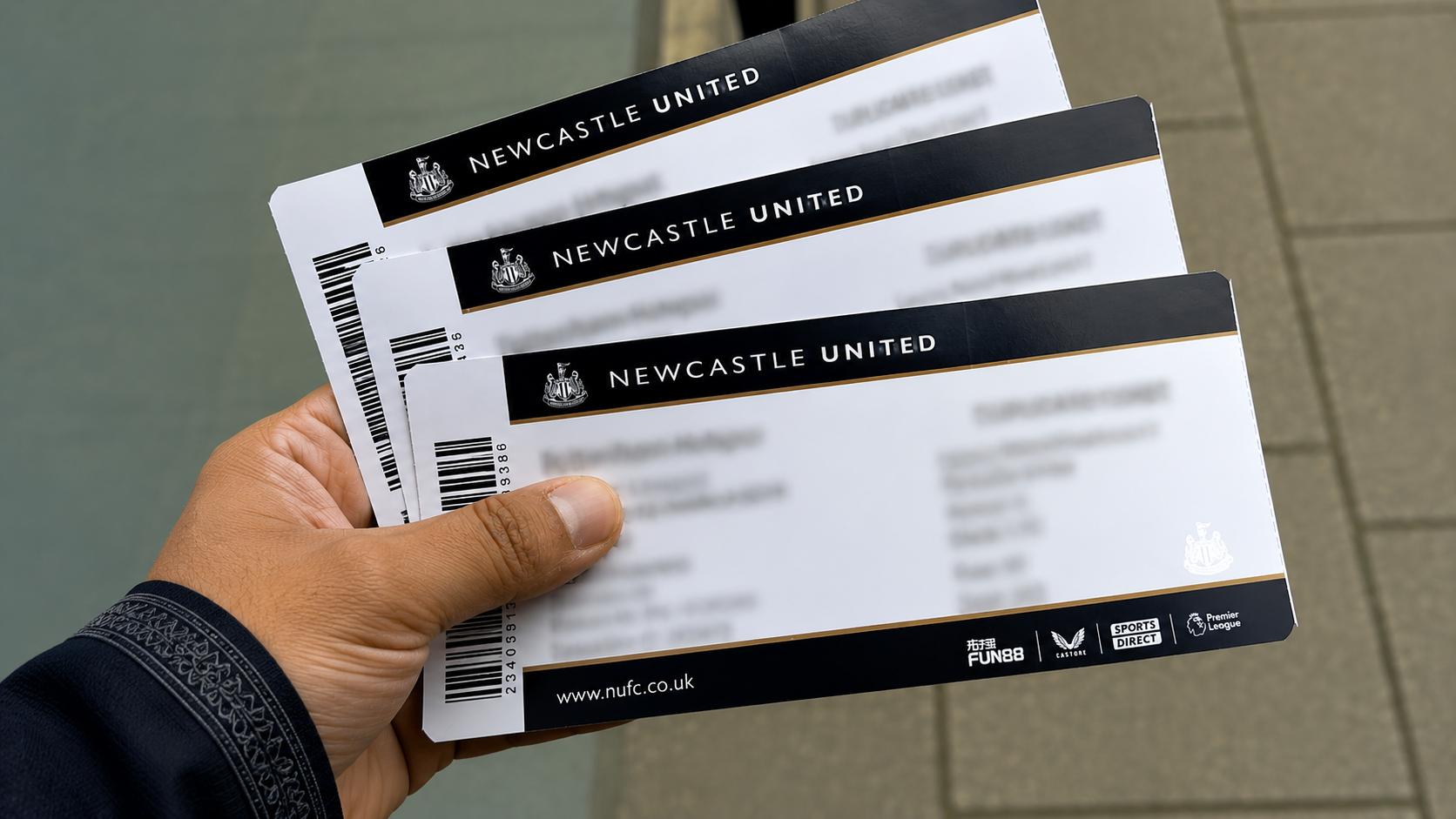
For those without a season ticket, following the team is no cheaper. Individual matchday tickets, available to members through a ballot, rose by around 17 per cent for the most recent season, with the cheapest standard adult tickets climbing from around 47 pounds to around 55 pounds, and more towards 58 pounds for the games the club designates as higher-profile.
On top of that sits the cost of membership itself, required simply to enter the ballot, with the cheapest adult option priced around 37 pounds. A family attending a single match, once tickets, membership, travel, food and perhaps a programme or merchandise are added up, can find a day out runs to a considerable sum.
Above the Average.
Set against other clubs, Newcastle's pricing is no longer the bargain it once was. The club's lower-priced season tickets now sit above the average for the cheapest season tickets across the top flight, a notable shift for a region not known for high incomes.
The days when St James' Park was regarded as one of the more affordable grounds for a big club are receding, and the pricing now reflects the club's status as an established member of the elite rather than its location in one of the country's less prosperous regions.
Demand Outstripping Supply.
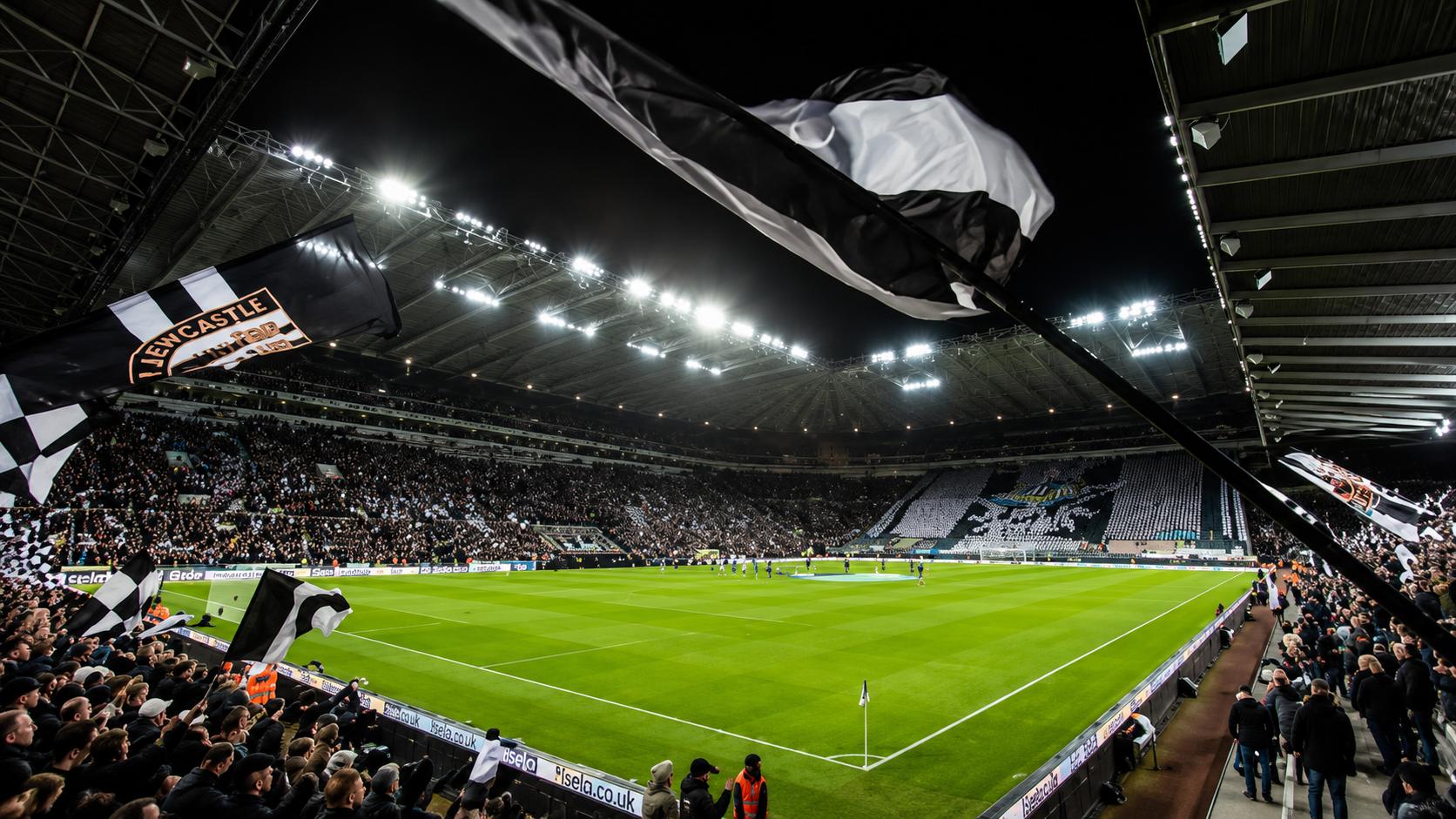
The uncomfortable backdrop to all of this is that demand for tickets vastly exceeds supply. Season tickets sell out, and a waiting list believed to number around 50,000 supporters has formed, with only a small allocation made available from it for the coming season.
In blunt economic terms, the club could raise prices and still fill the ground many times over, which removes much of the commercial pressure that might otherwise restrain increases. That imbalance is also the central argument for a bigger stadium, since only a significant increase in capacity would allow more supporters to attend at all, let alone at lower prices.
The Affordability Question.
This is where the tension lies. A football club draws its strength from its connection to ordinary supporters, the people who fill the ground week after week and pass their allegiance down the generations.
Rising prices risk gradually pricing out exactly those fans, particularly younger supporters and families, and changing the character of the crowd. The club's defenders argue that the increases remain modest in percentage terms for most, that prices had been held artificially low, and that investment requires revenue.
Supporters' groups counter that loyalty should be rewarded rather than charged for, and that the success the fans helped to create should not be used as a reason to charge them more.
A Balance to Strike.
The cost of following Newcastle United, then, has risen markedly, driven by the club's success, the ending of a long price freeze and a level of demand that gives the club little commercial reason to hold back. For most season ticket holders the year-on-year rises remain measured, but for those coming off the freeze, and for casual match-goers facing higher matchday and membership costs, the increases are real and keenly felt.
As the club weighs its options for a larger stadium, the question of how to balance commercial ambition against the affordability that keeps ordinary fans coming through the turnstiles is one it will not be able to avoid.
The Wider Cost of the Game.
The debate over ticket prices at Newcastle is part of a much larger conversation taking place across football about the cost of the modern game and the relationship between clubs and the supporters who sustain them. Up and down the country, fans have protested against rising prices, the removal of concessions and the steady commercialisation of a sport that many regard as a community institution rather than simply a business.
The tension is fundamental: clubs operate in a fiercely competitive industry where revenue funds success, and supporters are, in cold commercial terms, a source of that revenue, yet they are also the lifeblood and soul of the club, bound to it by loyalty rather than consumer choice. A supporter cannot simply switch to a cheaper rival as they might with any other product, which gives clubs considerable power over the people least able to walk away.
This is why supporter representation, through fan advisory boards and similar structures, has become so important, providing a formal channel through which fans can press the case for affordability and loyalty to be weighed against commercial ambition. It is also why the question of ticket prices is never purely financial but touches on what a football club is for and to whom it ultimately belongs.
For Newcastle, a club whose recent revival has been powered in no small part by the extraordinary passion of its support, the way it handles the cost of attending will say a great deal about how it understands that relationship. Getting the balance right, between the revenue the club needs and the affordability the fans deserve, is one of the quieter but more important tests of the club's stewardship in this new era.
Join the conversation.
Rising season ticket, matchday and membership costs have made following Newcastle United markedly more expensive, even as demand soars.
Has the rising cost of tickets changed how often you get to a game?
Sports News
The Price of the Passion: What It Now Costs to Follow the Toon
Season ticket and matchday prices at Newcastle United have risen for several years, with some fans facing 60% jumps. We look at the cost of following the team.
Advertisement



Comments (0)
You must be logged in to post comments.
Don't have an account? Register here
No comments yet. Be the first to share your thoughts!