
For more than three decades, the Nissan plant in Sunderland has been the beating heart of the North East's economy, the largest car factory in the country and a source of thousands of skilled jobs. Now it is at the centre of one of the most ambitious industrial transformations in the region's history, as it reinvents itself for the electric age.
An Industrial Powerhouse.
The scale of the Sunderland plant's importance to the region can hardly be overstated. It is the biggest single car plant in the country, the product of more than thirty-five years of manufacturing, employing thousands of people directly and supporting tens of thousands more jobs across the supply chain.
For generations, the plant has provided skilled, well-paid work and anchored a wider ecosystem of suppliers and businesses across the region. Its fortunes are bound up with those of the North East as a whole.
The Electric Transformation.
The plant is now undergoing a profound transformation as it shifts to building electric vehicles, at the heart of an ambitious project to create a world-first electric vehicle manufacturing ecosystem. This brings together electric cars, battery production and renewable energy in a single integrated hub, representing a potential investment of up to three billion pounds.
The plan envisages the plant building a new generation of electric models, powered by batteries made next door and by renewable energy generated on site. It is a blueprint for the future of car manufacturing, and it is being built in Sunderland.
The Return of an Icon.
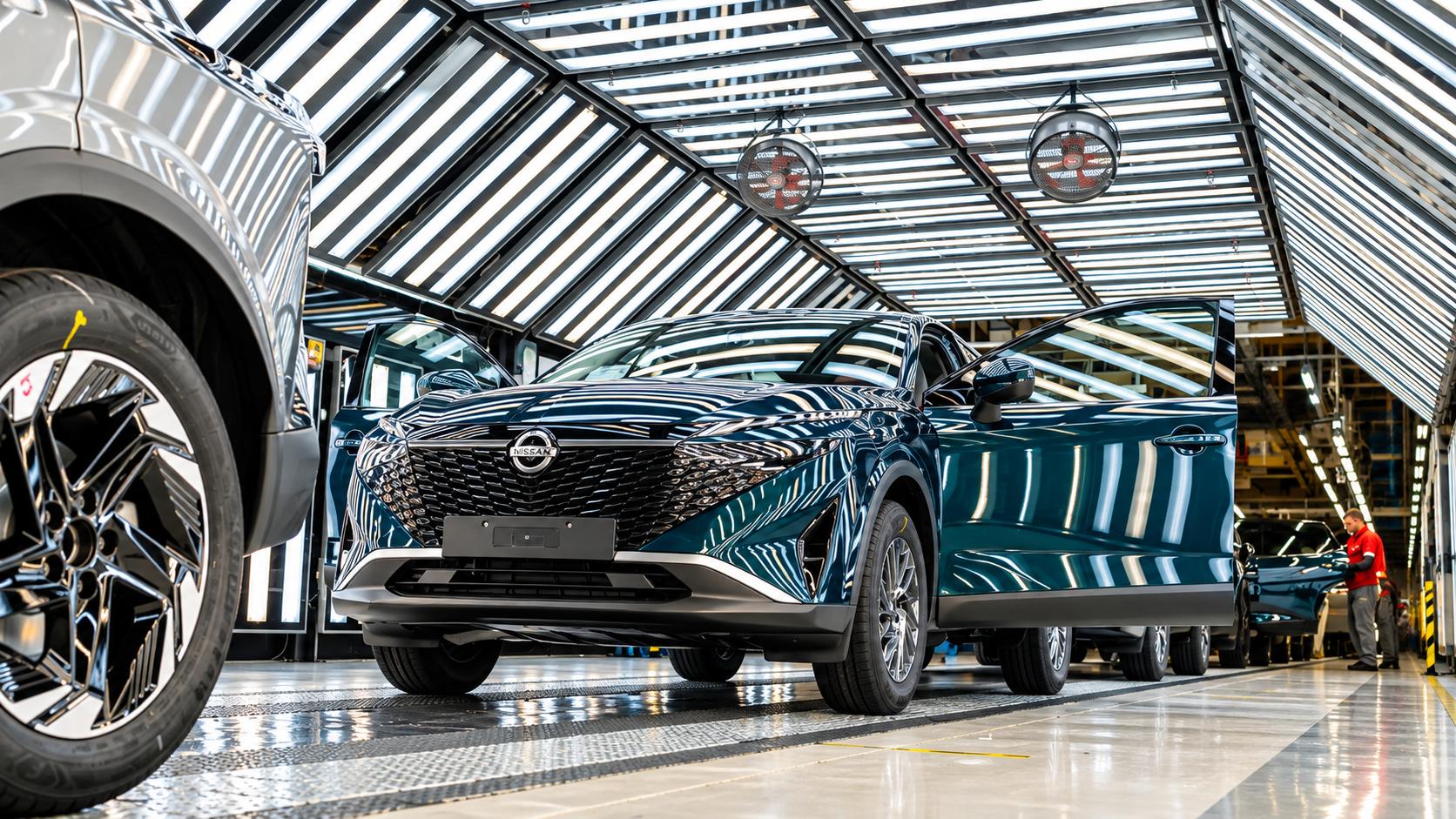
A powerful symbol of the transformation is the return of a pioneering electric car to the production line. The latest generation of the model that first brought mass-market electric motoring to the world is now rolling off the line in Sunderland, reborn for a new era.
It joins electric versions of the plant's best-selling models, the cars that have long been the mainstay of production in Sunderland. The plant that built some of the country's most popular cars is now building the electric versions that will define its future.
The Battery Gigafactories.
Central to the project are the enormous battery factories, known as gigafactories, being built alongside the plant by its battery partner. These facilities produce the batteries that power the electric vehicles, and building them next to the plant brings huge advantages.
Producing batteries on the doorstep, rather than shipping them from abroad, cuts costs, reduces emissions and strengthens the whole supply chain. The gigafactories are a vital part of the ecosystem, and a significant source of new jobs in their own right.
Powered by the Wind and Sun.
Completing the picture is a commitment to power the whole operation with renewable energy, through a project initiated by the local council to deliver renewable electricity to the plant and its neighbouring suppliers. Wind and solar farms, including new solar capacity, feed into a microgrid designed to slash the operation's carbon footprint.
This makes the Sunderland operation not just a car plant but a model of low-carbon manufacturing, aligning the production of electric vehicles with the clean energy that powers them. It is a vision of sustainable industry made real.
A Boost to the Supply Chain.
The transformation is also drawing new investment into the region's supply chain, as suppliers locate near the plant to serve its needs. New facilities, including a plant to make the powertrains that drive the electric vehicles, are bringing further jobs and investment to the area.
This clustering of suppliers around the plant strengthens the whole ecosystem and deepens the region's manufacturing base. The benefits of the transformation ripple outwards across the regional economy.
A Vote of Confidence.
At a time of significant challenges for the car industry, with production having fallen in recent years, the scale of the investment in Sunderland represents a powerful vote of confidence in the plant, its workforce and the region. It secures the future of the plant for years to come and positions it at the forefront of the industry's electric future.
For a region that has seen its share of industrial decline, the transformation of the plant is a source of genuine pride and optimism. It shows that the North East can be at the cutting edge of the industries of the future.
The Heart of the Region.
The transformation of the Sunderland plant for the electric age is one of the most significant industrial developments in the region's recent history, securing the future of its biggest employer while positioning it at the forefront of the electric revolution. The plant that has been the heart of the region's economy for decades is being reinvented for a new era.
For the thousands who work there, and the many more whose livelihoods depend on it, the investment offers security and hope. As the electric cars roll off the line, the North East is helping to drive the future of motoring.
An Anchor for the Region.
The significance of the Sunderland plant extends far beyond the cars it produces or even the thousands it directly employs, for it serves as an anchor for an entire ecosystem of economic activity across the region. Around the plant has grown up a vast network of suppliers, service businesses and skilled workers, whose livelihoods depend on its continued success, multiplying the plant's economic impact many times over.
The presence of such a major manufacturer also brings wider benefits, from the skills and training it fosters to the confidence it gives other businesses considering investing in the region, and the international profile it lends the area. This is why the plant's transformation for the electric age matters so much, securing not just the plant itself but the whole ecosystem that depends on it, and signalling that the region remains a serious place to make things.
In an economy where major manufacturing employers have become rarer, particularly in regions that have suffered industrial decline, the importance of retaining and renewing such an anchor can hardly be overstated. The investment in the plant's electric future is therefore a vote of confidence not just in the plant but in the region's manufacturing base and its workforce, and a foundation on which further growth can be built.
It demonstrates that the North East can compete for and win the advanced manufacturing of the future, building the products that the transition to a cleaner economy demands. For a region seeking to renew its economy and create good jobs, an anchor like the Sunderland plant, reinvented for a new era, is an asset of enormous value, around which a wider revival can be built.
Join the conversation.
Nissan's Sunderland plant, the UK's biggest car factory, is being transformed for the electric age with investment of up to £3bn.
How important is the Nissan plant to the North East?
Business News
Driving the Future: Nissan, Sunderland and the Electric Revolution
Nissan's Sunderland plant, the UK's biggest car factory, is being transformed for the electric age with up to £3bn of investment. We look at the EV revolution.
Advertisement




Comments (0)
You must be logged in to post comments.
Don't have an account? Register here
No comments yet. Be the first to share your thoughts!