
In an age of global trade, the North East punches above its weight. Despite being one of the smaller regions by population, it is a powerhouse of exports, sending billions of pounds worth of goods around the world each year, a testament to its manufacturing strength and a vital part of its economy.
A Strong Exporting Region.
The North East has long been one of the country's strongest exporting regions, a legacy of its manufacturing heritage. The region exports billions of pounds worth of goods each year, accounting for a significant share of the country's total goods exports despite its relatively small size.
Strikingly, the region exports more goods per head of working-age population than most other regions, placing it among the top exporting regions on this measure. This reflects the strength and outward orientation of the region's manufacturing base.
Built on Manufacturing.
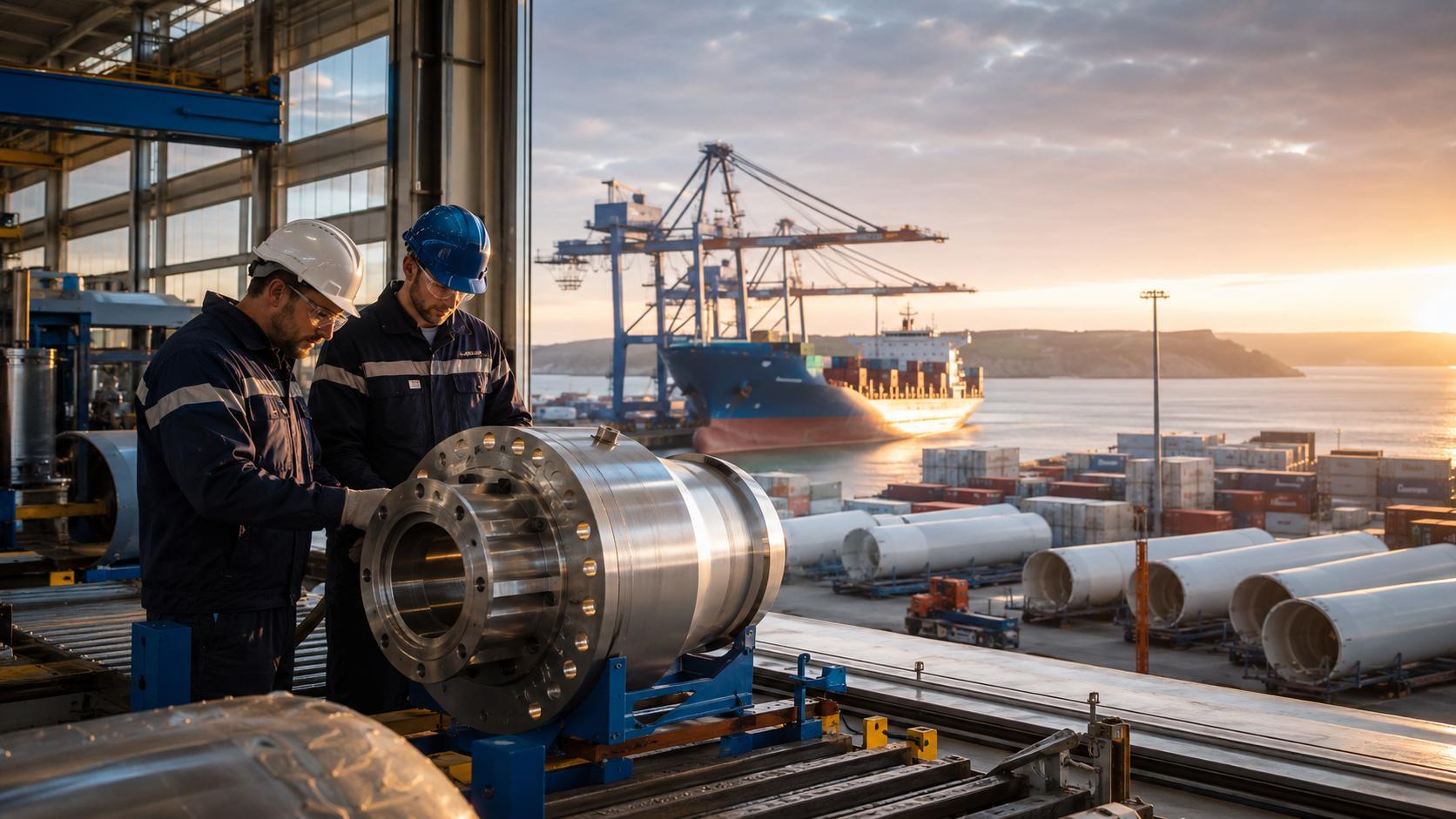
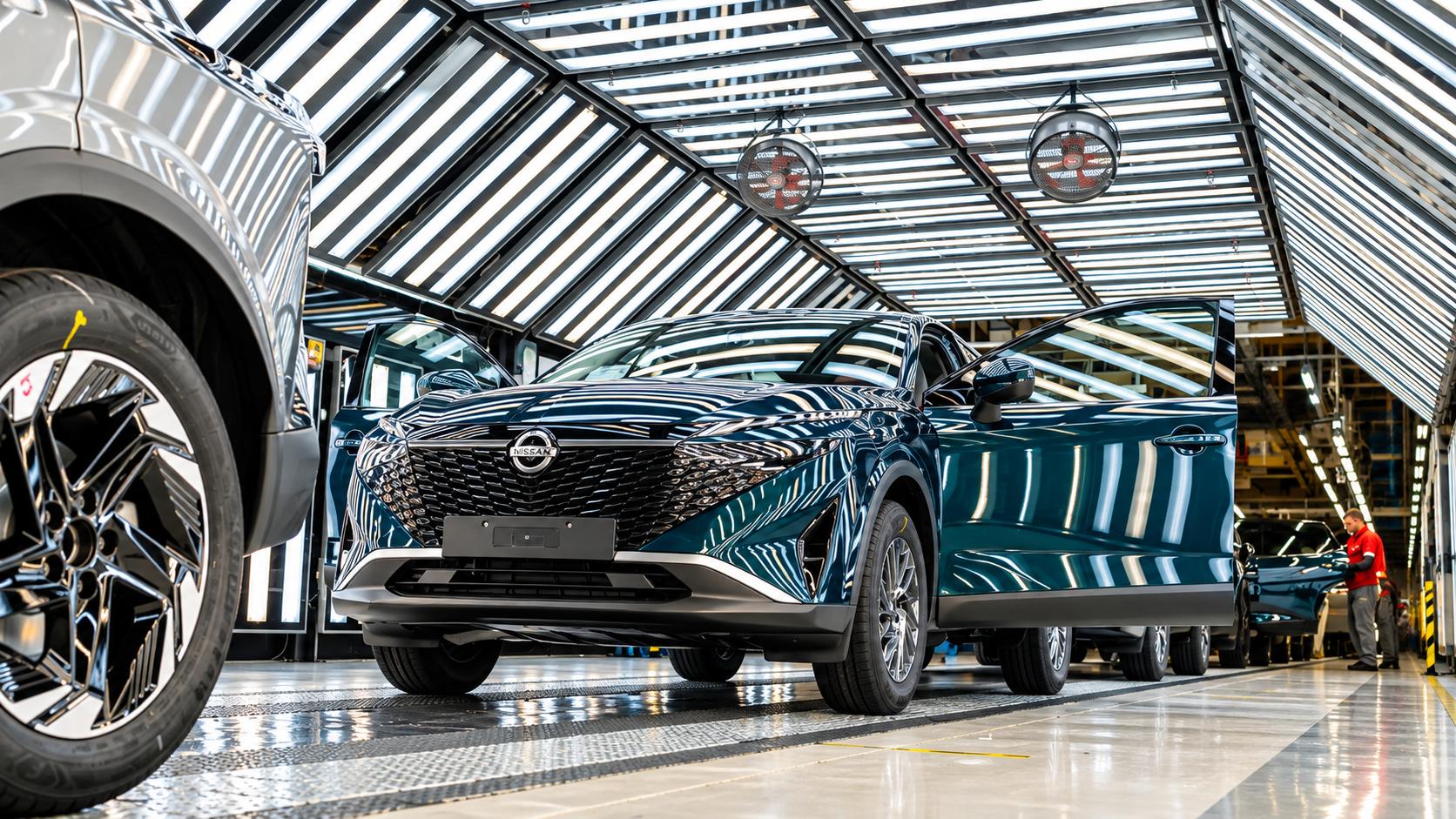
The region's export strength is built on its manufacturing industries, which produce goods that are sold around the world. The region's car industry and its chemical and process industries are major exporters, sending their products to markets across the globe.
This manufacturing base means that the region produces real, physical things that the world wants to buy, a valuable foundation for the economy. In an era when much economic activity has shifted to services, the region's continued strength in making and exporting goods is notable.
A Rare Distinction.
The region's export strength has at times earned it a rare distinction. In some recent years, the North East has been one of only a handful of regions in the country to export more goods than it imports, a balance that most regions, weighed down by imports, do not achieve.
This reflects the unusual strength of the region's exporting industries relative to its size. While the national economy as a whole tends to import more than it exports, the North East has often bucked this trend in its trade in goods.
Key Markets.
The region's goods are sold all over the world, but some markets are particularly important. The largest single market for the region's exports is the United States, which takes a significant share of the region's goods, while exports to markets in Asia have been growing strongly.
This spread of markets reflects the global reach of the region's exporters. The growth of exports to emerging markets, alongside established trade with the United States and Europe, points to the region's continued integration into the global economy.
The Wider Picture.
The region's trade takes place against a backdrop of significant change in the country's trading relationships. The country as a whole runs a trade deficit, importing more than it exports, and its trading patterns have been reshaped by its changing relationship with Europe and by global developments.
The European Union remains the country's largest trading partner, but trade with the rest of the world has grown in importance. These shifting patterns of trade affect exporters across the country, including in the North East.
Why It Matters.
The region's export strength matters for several reasons. Exporting industries tend to provide skilled, well-paid jobs, they bring money into the region from outside, and they connect the region to global markets and opportunities.
A strong exporting sector is a sign of a productive, competitive economy. For the North East, its export strength is one of its genuine economic assets, supporting jobs and prosperity across the region.
The Challenges.
The region's exporters face challenges as well as opportunities. Global trade tensions, shifting trading relationships, and competition from around the world all pose risks, while the changing relationship with Europe has created new barriers for some exporters.
Navigating these challenges, and seizing the opportunities of global trade, is vital for the region's exporting industries. Supporting exporters to compete and grow in global markets is an important part of the region's economic strategy.
Selling to the World.
The North East's strength as an exporting region, sending billions of pounds worth of goods around the world each year, is one of its genuine economic assets, built on its manufacturing heritage and supporting skilled jobs across the region. Punching above its weight in global trade, the region produces goods that the world wants to buy.
For a region seeking to build a prosperous and resilient economy, its export strength is a foundation to build on. As the region's goods are loaded onto ships and sent around the world, the North East continues its long tradition of selling to the world.
Trade and Identity.
The North East's strength as an exporting region is more than an economic fact, for it reflects something deep in the character and history of a region that has always looked outward to the world. From the days when the region's coal and ships were sent to the far corners of the globe, the North East has been an outward-looking, trading region, its fortunes bound up with the wider world.
This trading heritage has shaped the region's economy, its skills and its sense of itself, fostering a culture of making things and selling them to the world that endures to this day. The region's continued strength as an exporter, in an age when much economic activity has turned inward to services, is a testament to this heritage and to the resilience of its manufacturing base.
It is also a reminder of the importance of making things, of producing real, physical goods that the world wants to buy, as a foundation for a prosperous and resilient economy. In an uncertain world, in which trading relationships are shifting and global tensions can disrupt trade, the region's exporters face real challenges, but they also have real strengths to draw on, including a skilled workforce, a manufacturing heritage and a tradition of competing in global markets.
Supporting these exporters, helping them to navigate the challenges and seize the opportunities of global trade, is an important part of building on the region's strengths. For a region with such a proud trading history, its continued strength as an exporter is both an economic asset and a source of identity, connecting the North East of today to its long tradition of selling to the world.
Building on this strength is key to the region's economic future.
Over to you.
The North East exports billions of pounds of goods a year and exports more per head than most regions, built on its manufacturing strength.
How can the region build on its strength as an exporter?
Business News
Made in the North East: The Region's Export Powerhouse
The North East exports billions of pounds of goods a year and punches above its weight in global trade. We look at the region's export powerhouse.
Advertisement




Comments (0)
You must be logged in to post comments.
Don't have an account? Register here
No comments yet. Be the first to share your thoughts!