
Populations are never static. They grow and shrink, age and renew, and the way they change tells us a great deal about a place and shapes the services and planning it needs.
Across the North East, the population has been shifting in ways that present both challenges and opportunities for the region's future.
A Region Growing Slowly.
Compared with much of the country, the North East's population has been growing only slowly. Official figures from the most recent national population count showed the region growing by under two per cent over a decade, the smallest increase of any English region, against a national average several times higher.
This slow growth reflects a mix of factors, including patterns of migration and the age profile of the region. While some parts of the country have seen rapid population growth, the North East has expanded only modestly, with implications for its economy and its workforce.
Newcastle Bucks the Trend.
Within this picture of slow regional growth, Newcastle stands out as an exception. The city's population grew by around seven per cent over the decade, passing the 300,000 mark and recording the largest percentage increase in the region, outpacing even the national average.
This growth marks Newcastle out as a magnet within the region, drawing people in where other areas have struggled to grow. The city's universities, its economy and its appeal as a place to live and study all help to explain why it has bucked the regional trend.
An Uneven Picture.
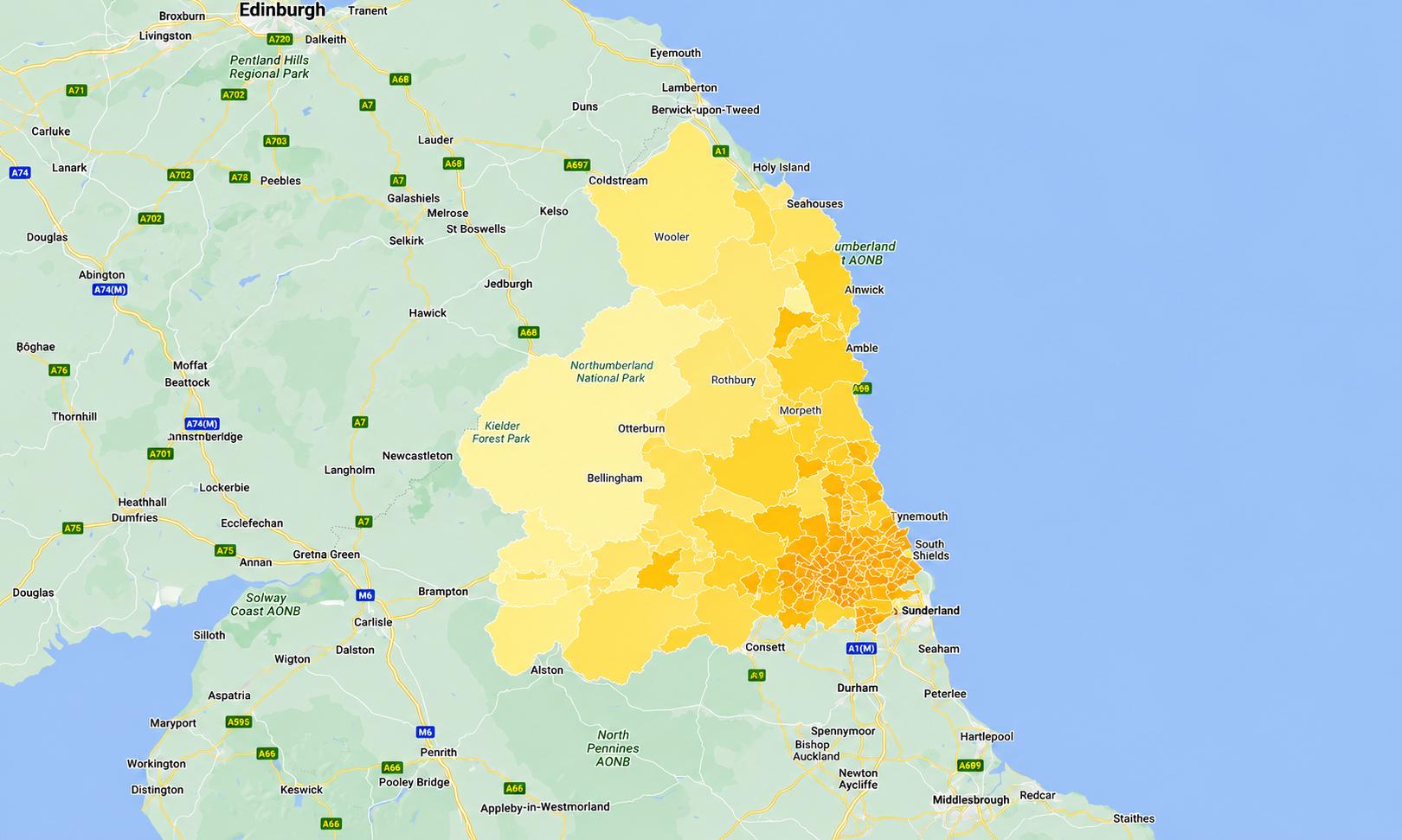
The contrast between Newcastle and other parts of the region is striking. While the city grew strongly, several neighbouring areas saw their populations fall over the same period, as people moved away or the balance of births and deaths shifted.
This uneven pattern, with a growing city alongside areas in decline, presents real challenges for the region as a whole. It raises questions about how to spread opportunity more evenly and how to support places that are losing population while managing growth where it occurs.
A Younger City.
Newcastle is not only growing but is also relatively young. The city has the lowest median age in the region and a younger profile than the country as a whole, a reflection in large part of its substantial student population and its appeal to younger adults.
This youthfulness is an asset, bringing energy, talent and dynamism to the city, but it also brings particular needs, in housing, in transport and in the kinds of jobs and opportunities that retain young people once their studies are over. Keeping young people in the region after graduation is a long-standing challenge.
An Ageing Region.
Across the wider region, however, the dominant trend is one of ageing. Every part of the North East has grown older over the past decade, with the population aged in their late fifties now among the largest age groups, and the number of older residents rising.
An ageing population brings significant implications, increasing demand for health and social care, shaping the housing and services that are needed, and altering the make-up of the workforce. Planning for an older population is one of the central tasks facing the region in the years ahead.
Why It Matters.
Understanding these population shifts is essential for planning the region's future, because the size, age and distribution of the population determine the demand for everything from schools and housing to healthcare, transport and jobs. A growing, youthful city and an ageing, slowly growing region require different things, and good planning must account for both.
These trends also shape the regional economy, influencing the size of the workforce and the balance between those in work and those who depend on services. Getting to grips with the changing population is therefore fundamental to building a prosperous and sustainable region.
A Region in Transition.
The shifting population of the North East, with a thriving and youthful Newcastle set against an ageing and slowly growing wider region, paints a picture of a region in transition. These changes bring both opportunities, in the energy and talent of a growing city, and challenges, in the needs of an ageing population and the difficulties of areas losing people.
Understanding and responding to them will be central to the region's future prosperity and wellbeing. For a region with a proud history and a determination to shape its own future, knowing how its people are changing is the first step towards planning well for the years to come.
Planning for the Future.
Understanding how the population is changing is only valuable if that understanding is used to plan well for the future, and the trends now visible across the North East carry important lessons for the decisions that will shape the region in the years to come. An ageing population across much of the region points to a growing need for the health and social care services that older people are more likely to require, as well as for suitable housing, accessible transport and the kinds of community support that help older people to live well and remain connected.
A young and growing city like Newcastle, by contrast, points to a need for the housing, jobs and opportunities that will retain young people and allow the city to make the most of their energy and talent, particularly the challenge of keeping graduates in the region once their studies are complete. Areas that are losing population face their own distinct challenges, requiring efforts to sustain services, attract investment and create the conditions in which they can thrive once more.
Good planning must take account of all of these different trends, recognising that the region is not uniform but a patchwork of places with different needs and trajectories. The decisions made now about housing, transport, healthcare, education and economic development will determine how well the region is able to meet the needs of its changing population in the decades ahead.
Getting these decisions right requires not only a clear understanding of the trends but the foresight to plan for them and the will to act, investing in the services and infrastructure that a changing population will need. The shifts now under way are not merely statistics to be observed but signals to be acted upon, guiding the choices that will shape the region's future.
For a region determined to build a better future for its people, understanding and planning for its changing population is one of the most important foundations of all, and one that will repay the effort invested in getting it right.
Have your say.
Newcastle's population has passed 300,000 and grown strongly, even as the wider North East ages and grows slowly.
How has your part of the region changed over the years?
Local News
A Changing Region: How the North East's Population Is Shifting
Newcastle's population has passed 300,000 and grown strongly, even as the wider North East ages and grows slowly. We look at a region in transition.
Advertisement



Comments (0)
You must be logged in to post comments.
Don't have an account? Register here
No comments yet. Be the first to share your thoughts!