
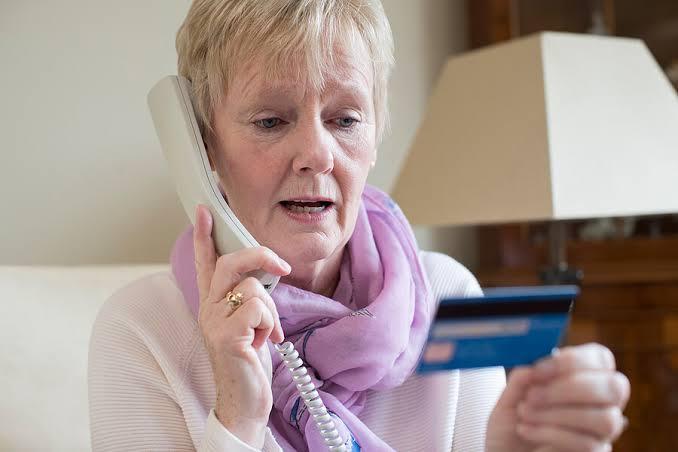
A phone call from someone claiming to be the bank. A message from a long-lost admirer. A pop-up warning that a computer has been hacked. For too many older residents, these are the opening moves of a scam that can drain a lifetime's savings in days, and the toll, financial and emotional, has grown into one of the most pressing crime problems of the age.
A Tidal Wave of Fraud.
The figures are sobering. Across the UK, people aged 65 and over have been losing more than 1.2 million pounds a day to fraud, adding up to around 1.7 billion pounds over a recent four-year period. The number of recorded cases involving older victims rose from roughly 36,000 in 2019 to over 57,000 a few years later, the equivalent of more than 150 older people falling victim every single day. On average, each elderly victim loses a sum well into four figures, far higher than the typical loss across all age groups, reflecting how scams aimed at older people are often designed to extract large amounts.
How Widespread It Is.
Separate research suggests the scale of targeting is even broader than the loss figures alone reveal. Around three in five people over 65 say they have been the target of a fraud or scam at some point, and a significant minority have fallen victim, amounting to well over a million older people in the UK. The reported average loss runs to several thousand pounds, and the cumulative total runs into billions. In other words, being targeted is now close to a universal experience in later life, even if not everyone is caught.
Why Older People Are Targeted.
Fraudsters target older people for reasons that are uncomfortable but important to understand. Some may be more trusting, less familiar with the latest online tricks, or more likely to be at home to answer a call or a knock at the door. Isolation plays a cruel role: someone who is lonely may be more willing to engage with a friendly voice, which is precisely what some scammers exploit. None of this is the victim's fault, and framing it as naivety misses the point that these are sophisticated, organised crimes engineered to deceive.
The Tactics.
The methods are varied and constantly evolving. Romance scams build a fake relationship over weeks or months before engineering a financial crisis. So-called tech-support scams use alarming pop-ups or calls claiming a device has been compromised, then extract payment or remote access. Impersonation scams pose as a bank, a government department or even a family member in trouble, using urgency and authority to bypass caution. A particularly insidious modern variant slowly grooms victims into bogus investments, draining ever-larger sums under the guise of building wealth. What unites them is psychological manipulation rather than technical wizardry alone.
The Hidden Harm.
The damage is not only financial. A large share of older victims report that the experience harmed their mental health, and a smaller but significant number say it affected their physical health too. The loss of money saved for retirement or intended for family can be devastating, but so can the shame, the loss of confidence and the erosion of independence that often follow, with some victims becoming afraid to answer the phone or use the internet at all. The harm radiates outward to families who feel they should have done more to protect a parent or grandparent.
Fighting Back.
There is a growing effort to push back. The financial regulator scans large numbers of websites for scams and issues warnings, banks are under increasing pressure to spot unusual payments and protect vulnerable customers, and national charities run dedicated programmes to help prevent scams and support those who have been targeted. Reporting suspected fraud to the official channels matters, both to give victims a route to help and to build the intelligence picture that helps disrupt the organised groups behind much of this crime.
Practical Protection.
There are concrete steps that make a real difference, especially when family members help put them in place. Call-blocking services and registering with preference schemes can cut the unsolicited contact that often begins a scam. Strong, unique passwords, up-to-date security software and a healthy scepticism towards unexpected messages all raise the barrier. Above all, a simple habit helps: pausing before acting on any urgent demand for money or details, and checking with a trusted person or contacting the organisation directly using a number you already have, rather than one provided by the caller.
Looking Out for One Another.
The most powerful protection of all may be connection. Scammers thrive on isolation and secrecy, so older people who feel able to talk openly about a suspicious call or message, without fear of judgement, are far better protected than those who suffer in silence. Checking in on older relatives and neighbours, and making it easy for them to ask about anything that seems odd, turns a private vulnerability into a shared defence, and is something everyone can do.
This article touches on a sensitive subject. Anyone worried that they or someone they know has been targeted can report concerns to the official fraud-reporting service and seek support from their bank and from national charities that help older people.
The Role of Banks and Technology.
A growing part of the response to scams targeting older people focuses not on the victims but on the systems that move the money and carry the deception, and this shift in emphasis is significant. Increasingly, the expectation is that banks and payment providers should bear more responsibility for spotting and stopping fraudulent transactions before the money is gone, by identifying unusual patterns, flagging atypical payments by vulnerable customers, and building in checks and pauses that give a potential victim a moment to reconsider. Reimbursement rules have been evolving so that more victims of certain kinds of fraud can expect to get their money back, which both helps individuals and creates an incentive for the industry to prevent fraud in the first place. Technology companies and telecoms providers are under similar pressure, given how many scams begin with a message, a call or an online advertisement, to do more to block fraudulent contact at source rather than leaving individuals to be the last line of defence. None of this removes the value of personal vigilance, but it reflects a more realistic understanding that expecting every older person to outwit increasingly sophisticated, organised criminals is neither fair nor effective. Shifting some of the burden onto the institutions with the data, resources and technical ability to detect fraud at scale is likely to do more to protect older residents than awareness campaigns alone, and represents one of the more promising directions in the long effort to turn the tide.
Over to you.
Have you or someone you know been targeted by a scam aimed at older people?
Crime News
Targeted at Home: The Scams Preying on Older Residents
Older people are losing over £1.2m a day to fraud through romance, tech-support and impersonation scams. We look at the toll and how to stay protected.
Advertisement



Comments (0)
You must be logged in to post comments.
Don't have an account? Register here
No comments yet. Be the first to share your thoughts!