
People across Newcastle and the wider North East are preparing for one of the most impressive astronomical events visible from Britain in decades.
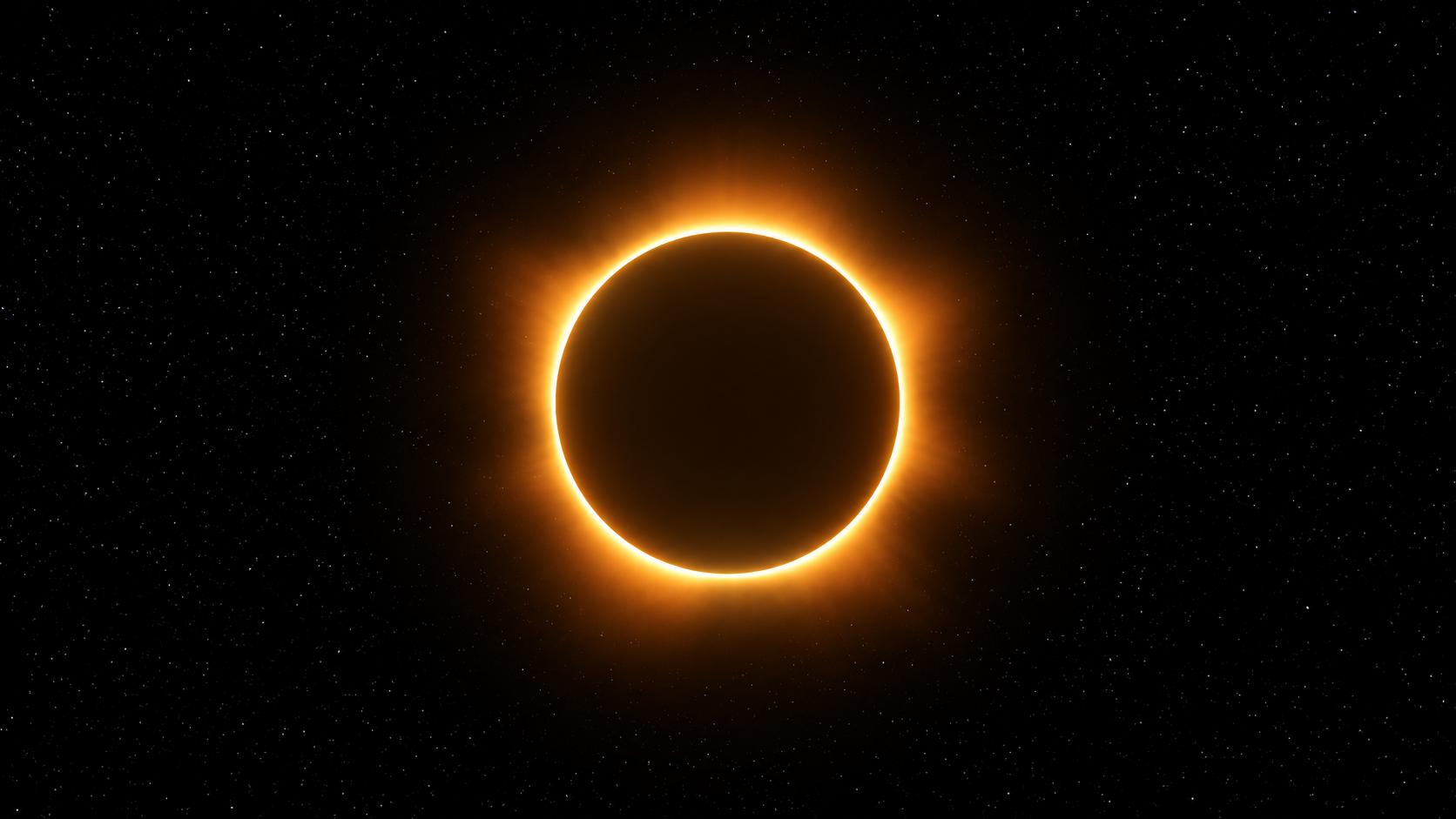
A major partial solar eclipse will take place on Wednesday, August 12, 2026, when the Moon moves between Earth and the Sun. From Newcastle upon Tyne, the Moon is expected to cover almost 90% of the Sun's visible surface at the height of the event.
Although Newcastle will not experience total darkness, daylight should fade noticeably during the early evening. The changing light may resemble an unusually gloomy sunset or the approach of dusk, while observers could also notice a temporary drop in temperature.
It will be the greatest level of solar eclipse coverage seen from the UK and Ireland since the celebrated eclipse of August 1999.
What time is the eclipse in Newcastle?
The partial solar eclipse is expected to begin in Newcastle at approximately 6.10pm BST, when the edge of the Moon first appears to move across the Sun.
Maximum eclipse will occur at around 7.07pm. Calculations indicate an eclipse magnitude of approximately 0.916, with close to 90% of the Sun's surface obscured from the city. The event should finish at about 8.01pm, giving Newcastle skywatchers a viewing window lasting roughly one hour and 51 minutes.
Because the eclipse will happen relatively late in the day, the Sun will be low in the western sky. Buildings, trees and hills could block the view, so choosing the right location will be especially important.
Where to watch around Newcastle.
Open spaces with an unobstructed view towards the west will offer the best chance of seeing the Newcastle solar eclipse.
Potential viewing areas include the Town Moor, Exhibition Park, Newcastle Quayside and elevated locations around the city. Those able to travel farther into the region may consider the Northumberland coast or open countryside away from tall buildings.
Northumberland International Dark Sky Park is also likely to attract interest from astronomy enthusiasts, although visitors should check access arrangements and local events before travelling.
Weather remains the biggest uncertainty. Historical data published for Newcastle suggests August 12 has been cloudy around 88% of the time since 2000. Even broken cloud, however, could provide brief opportunities to see the eclipse safely.
Why the 2026 eclipse is so significant.
The eclipse will be total in parts of Greenland, Iceland, northern Spain and a small area of Portugal. People close to the centre of the eclipse path could experience totality for more than two minutes.
Across the UK, the event will remain partial. Coverage will generally increase towards the south-west, with parts of Cornwall expected to see around 95% of the Sun covered. Newcastle's predicted coverage will still be deep enough to create an unusual change in the colour and intensity of the evening light.
The rarity of the event adds to its appeal. The Royal Observatory Greenwich says the next total solar eclipse visible from the UK will not occur until 2090. Another major partial eclipse in September 2081 is expected to cover as much as 99% of the Sun in some southern locations.
How to view the eclipse safely.
It is never safe to stare directly at a partial solar eclipse. The remaining section of the Sun will still be bright enough to cause permanent eye damage.
Anyone watching should use genuine eclipse glasses that comply with the ISO 12312-2 international safety standard. Ordinary sunglasses, smoked glass, exposed camera film and homemade filters do not provide adequate protection.
Cameras, binoculars and telescopes also need professionally designed solar filters fitted securely over the front of the equipment. Looking through magnifying equipment without the correct filter can cause immediate and serious injury.
A pinhole projector provides a simple alternative. This allows viewers to project an image of the Sun onto a surface without looking directly at it.
Join the discussion below.
Will you be watching the 2026 solar eclipse from Newcastle or travelling elsewhere in the North East for a clearer view?
Local News
Rare Solar Eclipse to Transform Newcastle Skies
Advertisement




Comments (0)
You must be logged in to post comments.
Don't have an account? Register here
No comments yet. Be the first to share your thoughts!