
Across the country, millions of people have chosen to work for themselves, as freelancers, sole traders and gig workers. Self-employment offers freedom and flexibility, but also uncertainty and a lack of the protections that come with a regular job.
As the world of work changes, the rise and realities of self-employment are worth understanding.
A Significant Part of the Workforce.
Self-employment is a significant feature of the modern labour market, with more than four million people across the country working for themselves. This includes a wide range of people, from skilled professional freelancers to tradespeople, sole traders and those working in the gig economy.
Together, the self-employed make a substantial contribution to the economy. The North East, like other regions, has a notable self-employed workforce contributing to its economic life.
The Appeal of Going Solo.
The appeal of self-employment is clear. It offers the freedom to be your own boss, to choose your own work and hours, and to escape the constraints of traditional employment, an appealing prospect for many.
For some, self-employment is a route to building a business and pursuing a passion, while for others it offers flexibility around other commitments. The growth of digital platforms has made it easier than ever to find work and reach customers as a freelancer or gig worker.
The Gig Economy.
A particular feature of the modern world of work is the gig economy, in which people take on short-term, flexible jobs, often through apps and digital platforms, rather than permanent positions. From delivery riders to freelance designers, gig work has become a familiar part of the economy.
The gig economy offers flexibility and easy access to work, but it has also raised concerns about security and rights. It represents a significant shift in how some work gets done.
The Realities of Insecurity.
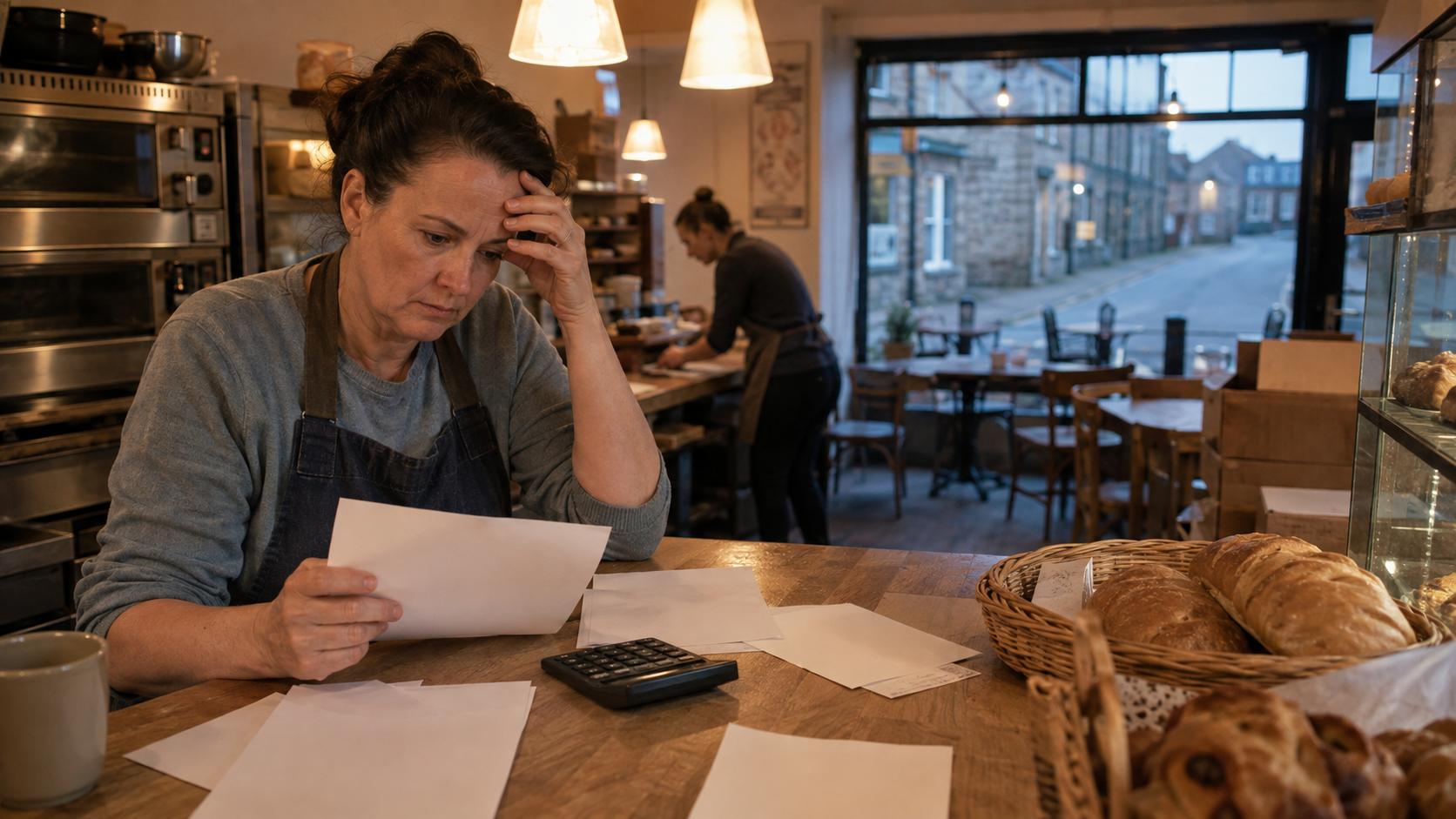
For all its appeal, self-employment also brings real challenges, chief among them insecurity. Unlike employees, the self-employed have no guaranteed income, no paid holiday or sick leave, and none of the protections and benefits that come with a regular job.
Income can be unpredictable, particularly in the early days, and the self-employed must manage the ups and downs themselves. This insecurity is the flip side of the freedom that self-employment offers, and it weighs heavily on many.
A Squeeze on Earnings.
The self-employed have also faced particular pressures in recent years, including a squeeze on their earnings. Many freelancers have found it difficult to raise their rates to keep pace with rising costs, leaving them absorbing the impact of inflation directly, without an employer to cushion the blow.
In some fields, new technologies have added to the pressure on rates. These challenges have made the financial realities of self-employment harder for many.
A Changing Landscape.
The world of self-employment and the gig economy is changing, including through new rules intended to strengthen the rights of workers. Recent legislation has sought to reshape the rights and protections of workers, including some in the gig economy, in response to concerns about insecurity.
How these changes will affect the self-employed and gig workers, and the businesses that engage them, remains to be seen. The balance between flexibility and security is at the heart of the debate about the future of work.
A New Generation.
Self-employment and freelancing have proved particularly popular with younger workers, many of whom value flexibility and the ability to build multiple income streams. A new generation is reshaping attitudes to work, with more people combining different forms of work and valuing independence.
This points to a continuing evolution in the world of work, in which traditional employment is no longer the only model. Understanding and supporting these changing patterns of work is an important challenge.
The Future of Work.
Self-employment and the gig economy, offering freedom and flexibility but also insecurity and a squeeze on earnings, are a significant and evolving part of the modern labour market, including in the North East. As new rules reshape the rights of workers, the balance between flexibility and security is being reconsidered.
For the millions who work for themselves, and for the economy they contribute to, the realities of self-employment matter greatly. Understanding the rise and realities of going solo is part of understanding the changing world of work.
The Safety Net Question.
The rise of self-employment and the gig economy has brought into focus an important question about the safety net, and how those who work outside traditional employment can be protected against the risks that everyone faces. The systems of social and employment protection that developed over the past century, from sick pay and holiday entitlement to pensions and protection against unfair dismissal, were largely designed around the model of traditional, permanent employment.
As more people work outside this model, as freelancers, sole traders and gig workers, questions arise about how they can be protected against the risks of ill health, of fluctuating income, and of old age, when many of the protections available to employees do not apply to them. The self-employed must largely make their own provision for these risks, saving for their own pensions, insuring against ill health, and managing the ups and downs of their income, a significant responsibility that not everyone is well placed to meet.
This has raised concerns about the security and wellbeing of the growing number of people who work for themselves, and about the adequacy of the safety net in a changing world of work. There are no easy answers to these questions, which involve difficult trade-offs between flexibility and security, and between the interests of workers, businesses and the wider society.
Recent efforts to strengthen the rights of some workers, including in the gig economy, reflect a growing recognition of these concerns, though debate continues about the right balance to strike. For the many people in the North East and beyond who work for themselves, the question of how they can be supported and protected, while preserving the flexibility they value, is an important one.
Ensuring that the safety net keeps pace with the changing world of work, so that no one is left unprotected, is a significant challenge for the years ahead.
Over to you.
More than four million people work for themselves across the country, drawn by flexibility but facing insecurity and a squeeze on earnings.
Have you ever worked for yourself, and how did you find it?
Business News
Going Solo: The Rise and Realities of Self-Employment
More than four million people work for themselves, drawn by flexibility but facing insecurity and a squeeze on earnings. We look at the realities of going solo.

Advertisement




Comments (0)
You must be logged in to post comments.
Don't have an account? Register here
No comments yet. Be the first to share your thoughts!