
Shop theft has moved from a background nuisance to one of the defining problems facing retailers, and Newcastle's businesses are feeling it as sharply as anywhere. Behind the headlines about brazen thefts lies a set of figures that help explain why shopkeepers, big and small, say the situation has become untenable.
A Record-Breaking Rise.
Police-recorded shoplifting across England and Wales reached its highest level in more than two decades, climbing to over 530,000 offences in the year to March 2025, a jump of around 20 per cent on the year before. Figures for the year to June 2025 showed a further 13 per cent rise. Retailers insist even these record numbers understate the problem, because a large share of incidents are never reported, with separate industry counts pointing to tens of millions of theft incidents a year once unreported cases are included. In Newcastle specifically, recorded shoplifting runs at well above the national average per head, with several thousand offences logged across a recent twelve-month period.
The Price Tag.
The financial impact is substantial. Customer theft is estimated to cost retailers around 2.2 billion pounds a year, and once spending on prevention is added, such as CCTV, security staff, body-worn cameras and anti-theft devices, the total cost of retail crime is put at roughly 4.2 billion pounds annually. That is money that cannot be invested in lower prices, better stores or more staff, and ultimately a share of it is passed on to honest customers at the till.
Theft and Violence Intertwined.
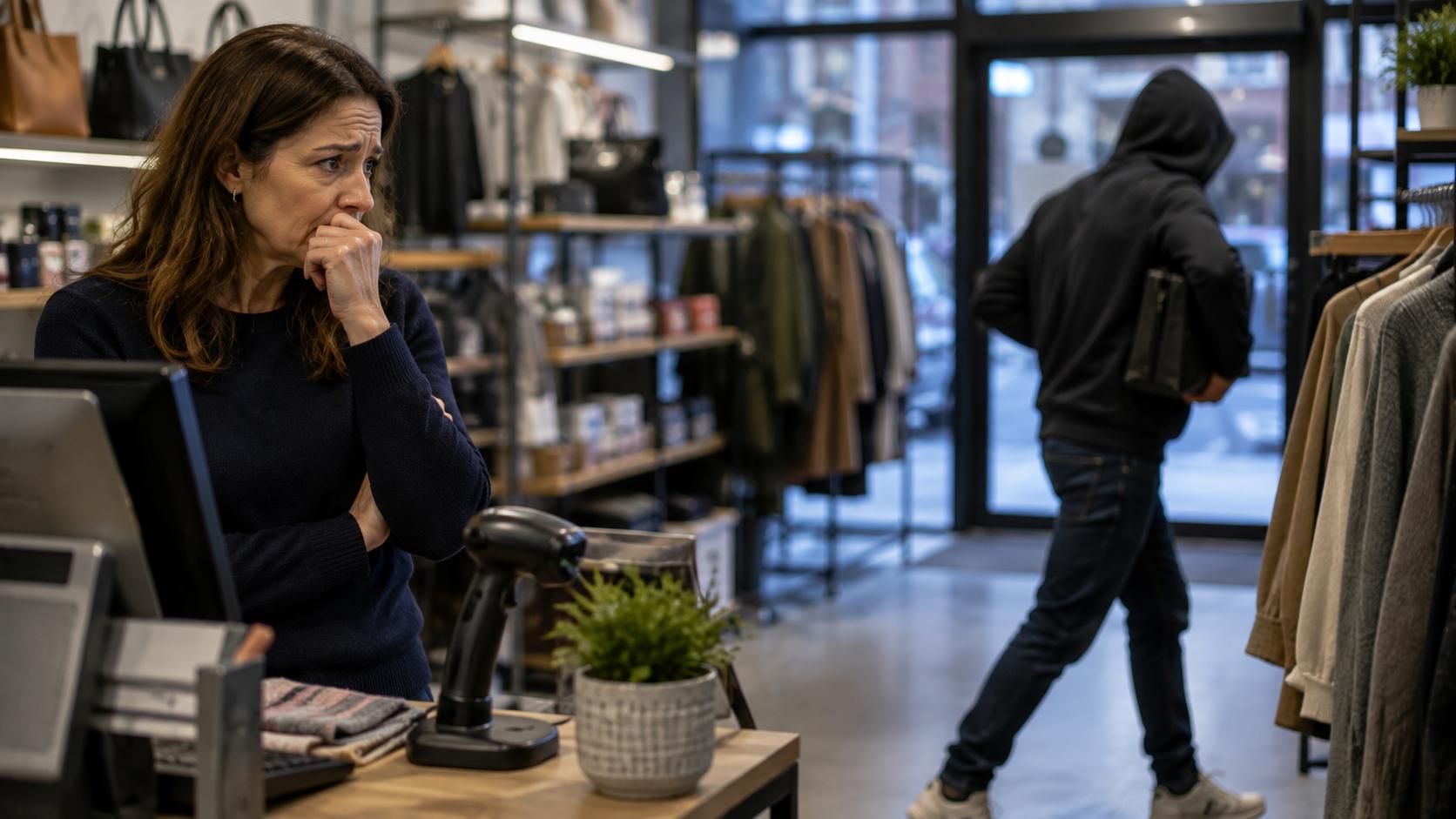
Perhaps the most troubling trend is the link between theft and violence against the people who work in shops. Incidents of violence and abuse against retail workers have been recorded at more than 2,000 a day nationally, with a significant number involving a weapon. Confronting or challenging a thief is frequently the trigger, leaving staff to weigh their own safety against protecting stock. For smaller independent shops in particular, where a single member of staff may be working alone, that is a daily source of stress and, increasingly, of real danger.
Organised, Not Opportunistic.
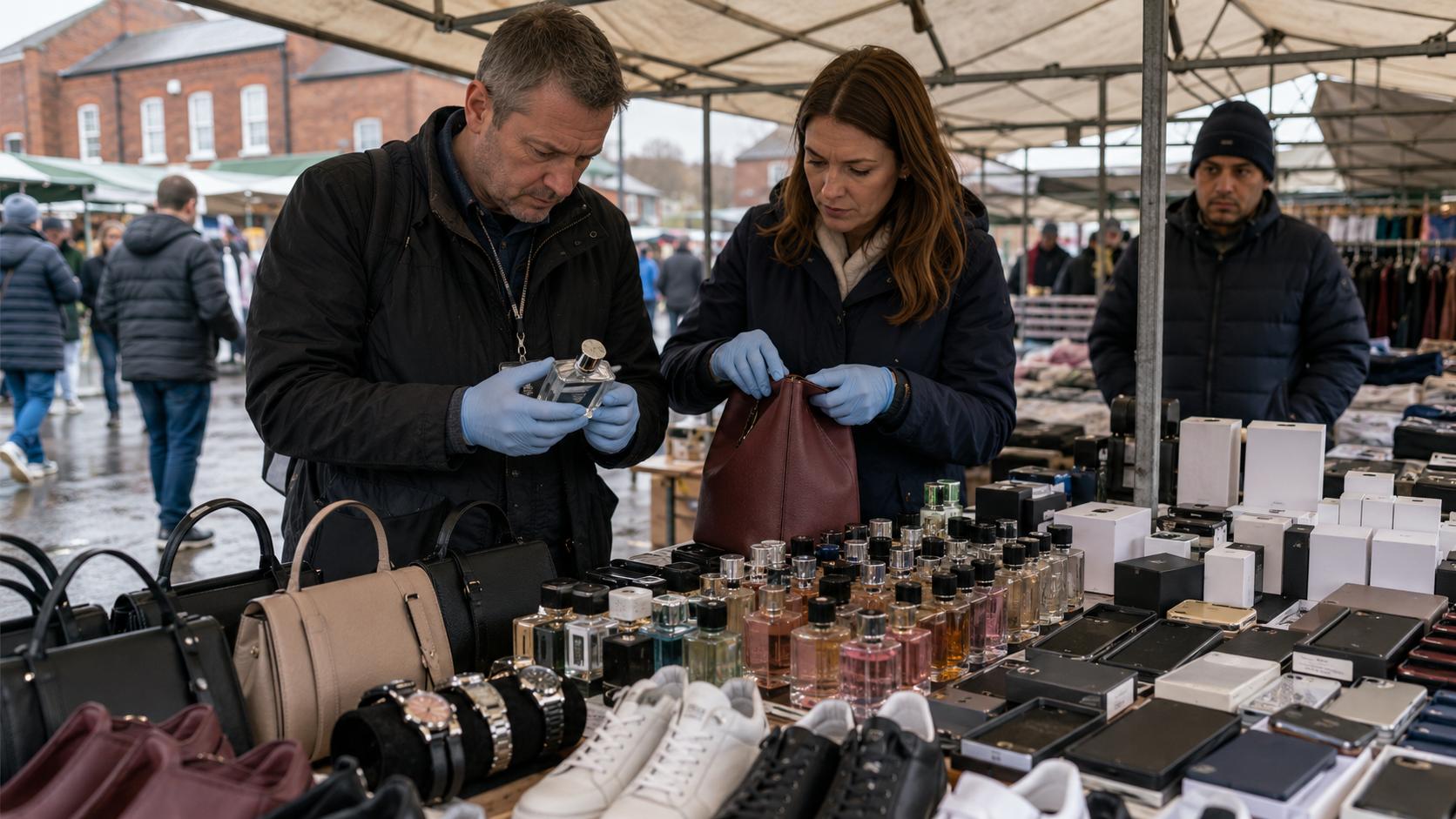
While some theft is driven by desperation and the cost of living, retailers report that an increasing share is organised and deliberate. Gangs are described as working through stores systematically, targeting high-value, easy-to-resell goods such as alcohol, cosmetics, meat, baby formula and medicines, sometimes hitting multiple shops in quick succession. This organised element changes the nature of the problem, turning it from isolated opportunism into something closer to a supply chain feeding the resale of stolen goods.
The Knock-On Effects.
The response to all this reshapes the shopping experience for everyone. More goods are locked behind security cases, more staff time goes on security rather than service, and some stores reduce ranges or opening hours in badly affected areas. Each of these measures carries a cost and can make shops feel less welcoming, nudging some shoppers towards online alternatives and, in the worst cases, contributing to decisions to close or not to open in particular locations at all. For a high street already under pressure, persistent theft is one more weight on the scales.
A Legislative Response.
Government has moved to strengthen the law in response to sustained pressure from the retail sector. Planned measures include a standalone offence of assaulting a retail worker, intended to send a clear signal that attacks on shop staff will be taken seriously, and the removal of a long-criticised threshold that treated thefts of goods worth 200 pounds or less as lower-priority summary offences, which retailers argued had effectively become an invitation to steal. Alongside this sit new powers to deal with persistent offenders and a commitment to put thousands of additional neighbourhood officers into town centres and shopping areas.
Whether It Will Be Enough.
Retailers have broadly welcomed these steps while warning that legislation only works if it is matched by consistent enforcement on the ground. Confidence in the police response to shop theft has been low, with many retailers historically rating it poorly, and rebuilding that trust will take visible, reliable action rather than promises. For Newcastle's shopkeepers, the test of the new measures will be simple and practical: fewer thefts, safer staff and a sense that reporting a crime leads somewhere. Until that shift is felt on the shop floor, shop theft will remain one of the heaviest burdens on the city's retail economy.
The Independent Shop's Dilemma.
While much of the national conversation focuses on big retail chains, it is often the small independent shops that feel shop theft most acutely, and their predicament deserves particular attention. A large supermarket can absorb a level of loss, invest in sophisticated security and employ dedicated staff to manage it.
A corner shop, a small grocer or a family-run convenience store has no such cushion. For these businesses, operating on thin margins, a steady drip of theft can be the difference between viability and closure, and the cost of security measures that larger rivals take for granted can itself be prohibitive.
The human dimension is sharper too. In a small shop, the person confronting a thief is frequently the owner or a lone member of staff, with no security guard to call on and no colleague nearby, which makes the rising tide of violence and intimidation especially frightening.
Many such shopkeepers describe a sense of being left to cope alone, reluctant to intervene for fear of being hurt yet watching stock they have paid for walk out of the door. Supporting these businesses, through reliable police response, practical advice and a legal framework that takes theft from them seriously, is not only a matter of fairness but of protecting the high streets and local parades that give neighbourhoods their character and convenience.
When an independent shop is forced to close, the loss is felt far beyond its owner, taking with it a familiar face, a local service and a small piece of the social fabric that larger, more anonymous retailers can rarely replace.
Join the conversation.
Shop theft has hit record levels and is increasingly tied to violence against staff, piling pressure on local retailers.
Have you noticed more security measures or locked-up goods in your local shops?
Crime News
The Soaring Cost of Shop Theft for Local Businesses
Shoplifting has hit a 20-year high and is increasingly tied to violence against staff. We look at the figures and what they mean for local businesses.
Advertisement



Comments (0)
You must be logged in to post comments.
Don't have an account? Register here
No comments yet. Be the first to share your thoughts!