
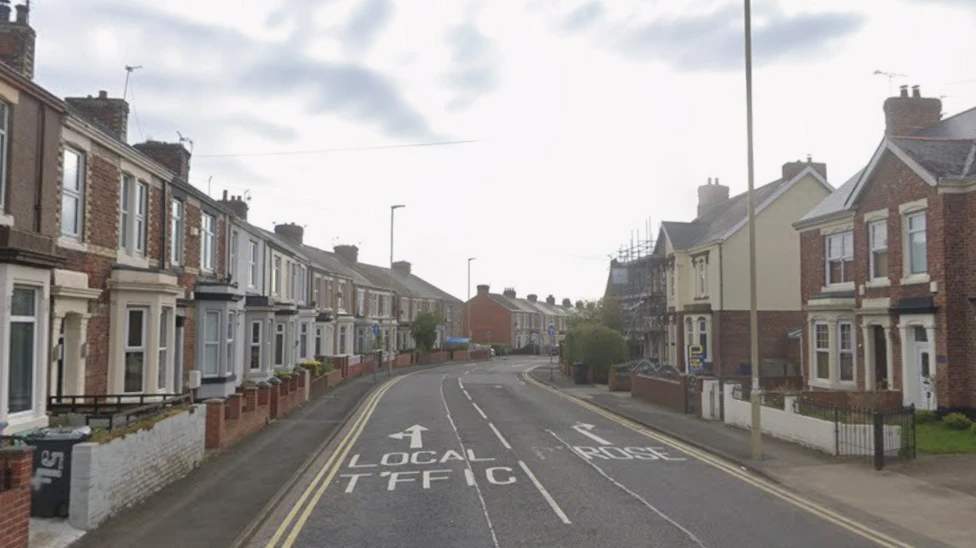
Plans to convert a South Shields property into a four-bedroom House in Multiple Occupation (HMO) have been abandoned despite receiving formal approval from South Tyneside Council, following a significant backlash from local residents.
The proposed development on Kent Street had generated considerable debate in recent months, with dozens of objections submitted by residents who argued that the area was already facing increasing pressure from existing HMOs. Although council planners ultimately granted permission for the scheme, the property's owner has now confirmed that the conversion will no longer go ahead.
The decision has been welcomed by many residents who had campaigned against the proposal, highlighting wider concerns about housing balance, community identity and the growing number of HMOs in parts of South Shields and the wider North East.
Property Owner Backs Away From Approved Development.
The unusual development means a project that had successfully navigated the planning process will now be voluntarily withdrawn by the owner.
In a statement released following the council's decision, a spokesperson for the property owner confirmed that plans for the HMO conversion had been shelved after reflecting on concerns raised by local residents.
According to the spokesperson, the owner had engaged directly with neighbours and carefully considered the feedback received during the planning process.
They explained that the decision was driven by a desire to maintain positive relationships within the community and recognise the concerns expressed by those living nearby.
The owner stressed that while the HMO proposal had been dropped, investment in the property would still continue through refurbishment and improvement works designed to enhance the building without changing its use.
The announcement represents a rare example of a developer or property owner reversing course despite having already secured planning consent.
Why Residents Opposed The HMO Proposal.
The proposed conversion attracted approximately 40 objections from residents, demonstrating the strength of feeling surrounding the development.
Many of those who objected argued that Kent Street and the surrounding area were already experiencing what they described as an overconcentration of Houses in Multiple Occupation.
Residents expressed concerns that adding another HMO could place further strain on parking, increase noise levels and contribute to a higher turnover of occupants within the neighbourhood.
Others feared that a growing number of shared accommodation properties could alter the character of the area and weaken the sense of community that many long-term residents value.
While there was no suggestion that future tenants would cause problems, some objectors pointed to wider concerns about anti-social behaviour, waste management issues and transient occupancy patterns often associated with poorly managed shared housing.
These concerns have become increasingly common in towns and cities across the UK as local authorities attempt to balance housing demand with community expectations.
What Is An HMO?.
A House in Multiple Occupation, commonly referred to as an HMO, is a property rented by three or more people who are not from the same household but share facilities such as kitchens, bathrooms or living spaces.
HMOs play an important role in the housing market by providing affordable accommodation for students, young professionals, key workers and people unable to access traditional rental properties.
In many areas, HMOs help meet demand for lower-cost housing and provide flexibility for tenants who may not wish to commit to long-term rental agreements.
However, the rapid growth of HMOs in some neighbourhoods has led to concerns from residents and councils about the cumulative impact of large numbers of shared housing properties concentrated within a relatively small area.
This debate has become increasingly prominent across Newcastle, Sunderland, South Shields and other parts of the North East where housing affordability remains a significant issue.
The Wider Debate Around HMOs In The North East.
The controversy surrounding the Kent Street proposal reflects a broader discussion taking place across Newcastle and the wider region.
Many councils face competing pressures when considering HMO applications.
On one hand, demand for affordable rental accommodation remains high. According to housing industry figures, private rental demand across the North East has risen significantly in recent years as higher mortgage costs and increased house prices have made home ownership more challenging for some residents.
On the other hand, communities often raise concerns when multiple HMOs are located close together.
Residents frequently cite issues such as parking congestion, increased refuse collection demands and concerns about maintaining neighbourhood stability.
Several councils across England have introduced Article 4 Directions, planning measures designed to give local authorities greater control over the concentration of HMOs within specific areas.
While HMOs themselves are not inherently problematic, the debate often centres on how many should exist within a particular neighbourhood before local infrastructure and community dynamics begin to feel the impact.
Why The Council Approved The Application.
Despite the objections submitted by residents, South Tyneside Council planners concluded that the proposal met relevant planning policies and requirements.
Planning decisions are generally based on policy considerations rather than the number of objections received.
This means councils must assess factors such as property size, parking arrangements, local housing need and compliance with planning regulations.
Even where significant opposition exists, applications can still be approved if planning officers determine they meet the necessary criteria.
The Kent Street application ultimately received planning permission because officers concluded it satisfied the relevant requirements.
However, the owner's subsequent decision means the approval will now never be acted upon.
A Victory For Community Campaigning?.
Many residents will view the decision as evidence that local voices can influence development outcomes even after planning permission has been granted.
Community groups across the UK often argue that residents feel powerless during planning disputes, particularly when applications receive approval despite widespread objections.
In this case, however, direct engagement between the owner and local residents appears to have played a key role in changing the outcome.
The owner's willingness to reconsider the proposal after speaking with neighbours has been praised by some local residents as an example of constructive dialogue.
Rather than escalating tensions, both sides appear to have found common ground through communication and consultation.
What Happens To The Property Now?.
Although the HMO conversion has been abandoned, the property itself will not remain untouched.
The owner has confirmed that plans remain in place to modernise and improve the building.
While details of the refurbishment programme have not been released, the improvements are expected to focus on upgrading the property while maintaining its existing residential use.
For nearby residents, this may provide reassurance that the building will continue to be maintained without introducing the changes that had caused concern.
The decision also removes uncertainty surrounding the future of the property, allowing neighbours to move forward after months of debate.
Housing Challenges Continue Across South Tyneside.
The Kent Street story highlights the difficult balancing act facing councils, developers and communities across South Tyneside and the wider North East.
The region continues to face growing demand for affordable housing options, particularly within the rental sector. At the same time, residents increasingly want reassurance that development will not undermine the character of established neighbourhoods.
As towns such as South Shields, Newcastle and Sunderland continue to evolve, similar debates are likely to emerge around future housing proposals.
Finding solutions that provide homes while maintaining community confidence remains one of the biggest challenges facing local authorities throughout the region.
For now, however, residents on Kent Street have secured the outcome they were hoping for, with the approved HMO conversion no longer set to proceed.
Do you think residents should have more influence over housing developments in their neighbourhoods?
Local News
South Shields Residents Win Fight Against Approved HMO Development
Advertisement





Comments (0)
You must be logged in to post comments.
Don't have an account? Register here
No comments yet. Be the first to share your thoughts!