
With England preparing to ban the sale of high-caffeine energy drinks to under-16s from April, many parents across Newcastle and the North East are asking whether sports drinks are actually a healthier alternative.
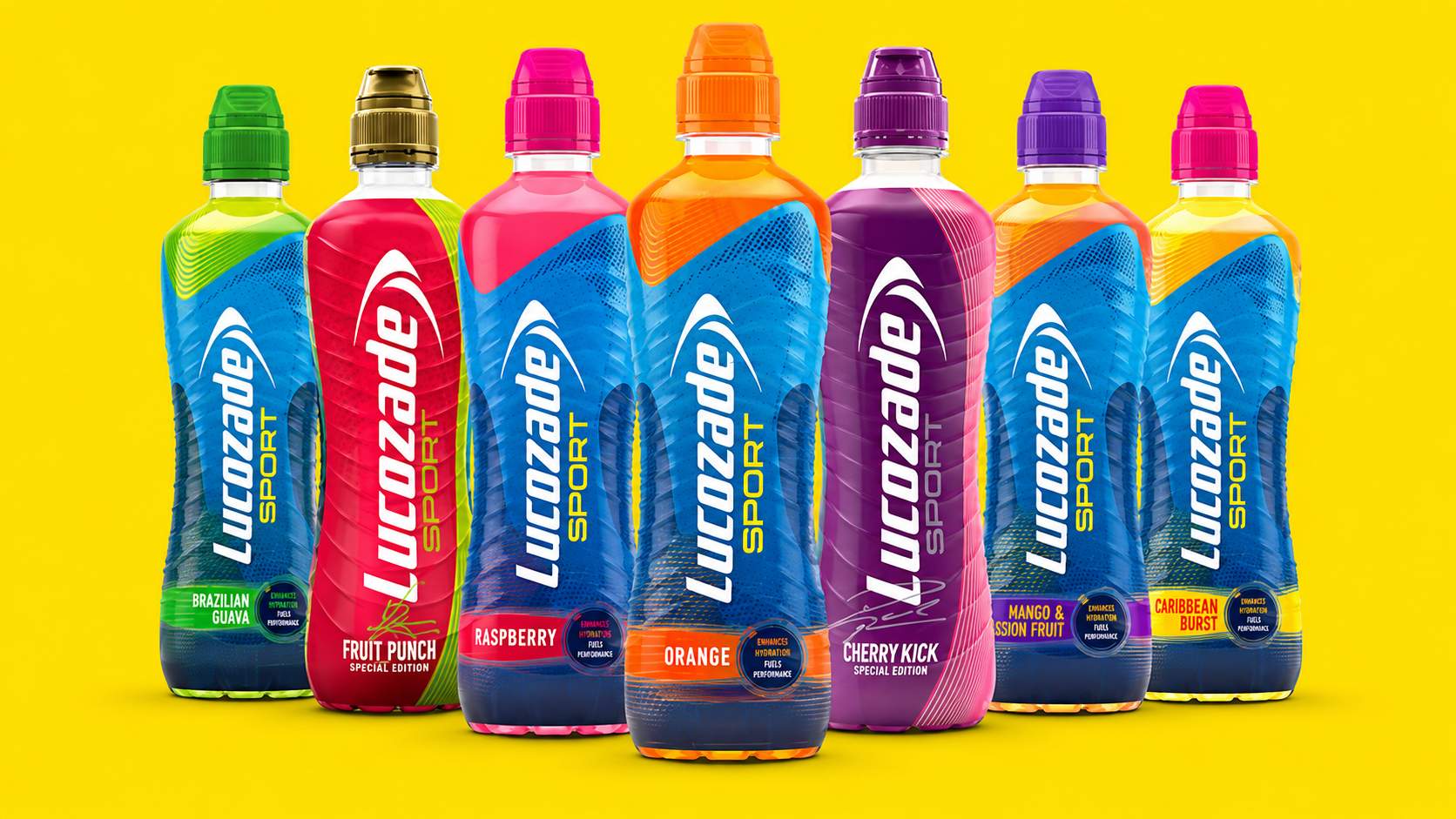
Although the two products are often displayed next to each other in shops and come in similar brightly coloured bottles and cans, health experts say they are designed for completely different purposes. Understanding those differences could help families make better choices, particularly for teenagers involved in school sports, football, rugby and athletics.
For most young people, the healthiest everyday drink remains water. However, there are occasions when sports drinks may have a role, while energy drinks are generally not recommended for children at all.
What Is The Difference Between Sports Drinks And Energy Drinks?.
The biggest difference comes down to their ingredients.
Sports drinks are designed to replace fluids, carbohydrates and electrolytes such as sodium and potassium that are lost through sweating during prolonged or intense exercise. Energy drinks, by contrast, are marketed to increase alertness and usually contain large amounts of caffeine alongside sugar or sweeteners.
Many popular energy drinks contain between 80mg and 200mg of caffeine per serving, while some imported products contain even more. That is one of the main reasons the Government is introducing new restrictions on sales to under-16s from next April.
Sports drinks generally contain little or no caffeine, but they are often high in sugar, meaning they are not automatically a healthy everyday choice.
When Are Sports Drinks Actually Useful?.
Health professionals say sports drinks are intended for people taking part in vigorous physical activity lasting longer than around an hour, particularly in warm conditions where significant sweating occurs.
For most children and teenagers playing a standard PE lesson, attending football training or cycling around Newcastle, plain water is usually enough to stay hydrated. Sports drinks become more useful during endurance events or competitive sport where replacing fluids and electrolytes is more important.
That means many teenagers who regularly buy sports drinks on the way to school may not actually need them.
Why Energy Drinks Raise More Health Concerns?.
Energy drinks have attracted increasing attention from health experts because of their caffeine content.
Government estimates suggest around 100,000 children in England consume an energy drink every day, while research has linked excessive caffeine intake with poor sleep, headaches, anxiety and reduced concentration at school.
Unlike sports drinks, which focus on hydration, energy drinks stimulate the nervous system. They are also frequently consumed outside of exercise, making them an unnecessary source of caffeine and sugar for many young people.
The new legislation aims to reduce those risks by preventing under-16s from purchasing drinks containing more than 150mg of caffeine per litre.
Sugar Is Still Something To Watch.
Although sports drinks avoid the high caffeine levels found in energy drinks, many still contain significant amounts of sugar.
The NHS says children consume more than twice the recommended amount of sugar, with around a quarter of their daily intake coming from sugary drinks.
Drinking sports drinks regularly outside exercise can therefore contribute to unnecessary calorie intake and increase the risk of tooth decay.
For families across Newcastle, choosing water or milk for everyday hydration is usually a healthier and more affordable option.
What Should Teenagers Drink Instead?.
For busy teenagers balancing school, revision and sport, experts recommend focusing on healthy daily habits rather than relying on drinks for extra energy.
Water should remain the first choice for hydration throughout the day. Milk provides calcium and protein, while balanced meals containing wholegrains, fruit, vegetables and lean protein help maintain steady energy levels.
If teenagers are exercising intensely for extended periods, a sports drink may occasionally help replace fluids and electrolytes. However, for everyday school life, it offers little benefit over water.
Energy drinks, meanwhile, are not recommended for children because of their caffeine content and the potential effects on sleep and concentration.
What Newcastle Families Should Remember.
As schools, retailers and parents across Newcastle prepare for the new energy drink restrictions, understanding the difference between sports drinks and energy drinks has never been more important.
While sports drinks can play a role during prolonged sporting activity, they should not be viewed as a healthy replacement for water during normal daily life. Energy drinks are a completely different product and carry greater health concerns because of their high caffeine content.
For most teenagers, staying active, eating balanced meals, drinking plenty of water and getting enough sleep will provide far more lasting energy than any drink bought from a supermarket shelf.
As awareness grows across the North East, many health professionals hope families will use the upcoming law as an opportunity to encourage healthier hydration habits that last well beyond the school years.
Have your say.
Do you think teenagers should choose sports drinks, water or something else after exercise?
Sports News
Sports Drinks vs Energy Drinks Explained
Advertisement





Comments (0)
You must be logged in to post comments.
Don't have an account? Register here
No comments yet. Be the first to share your thoughts!