
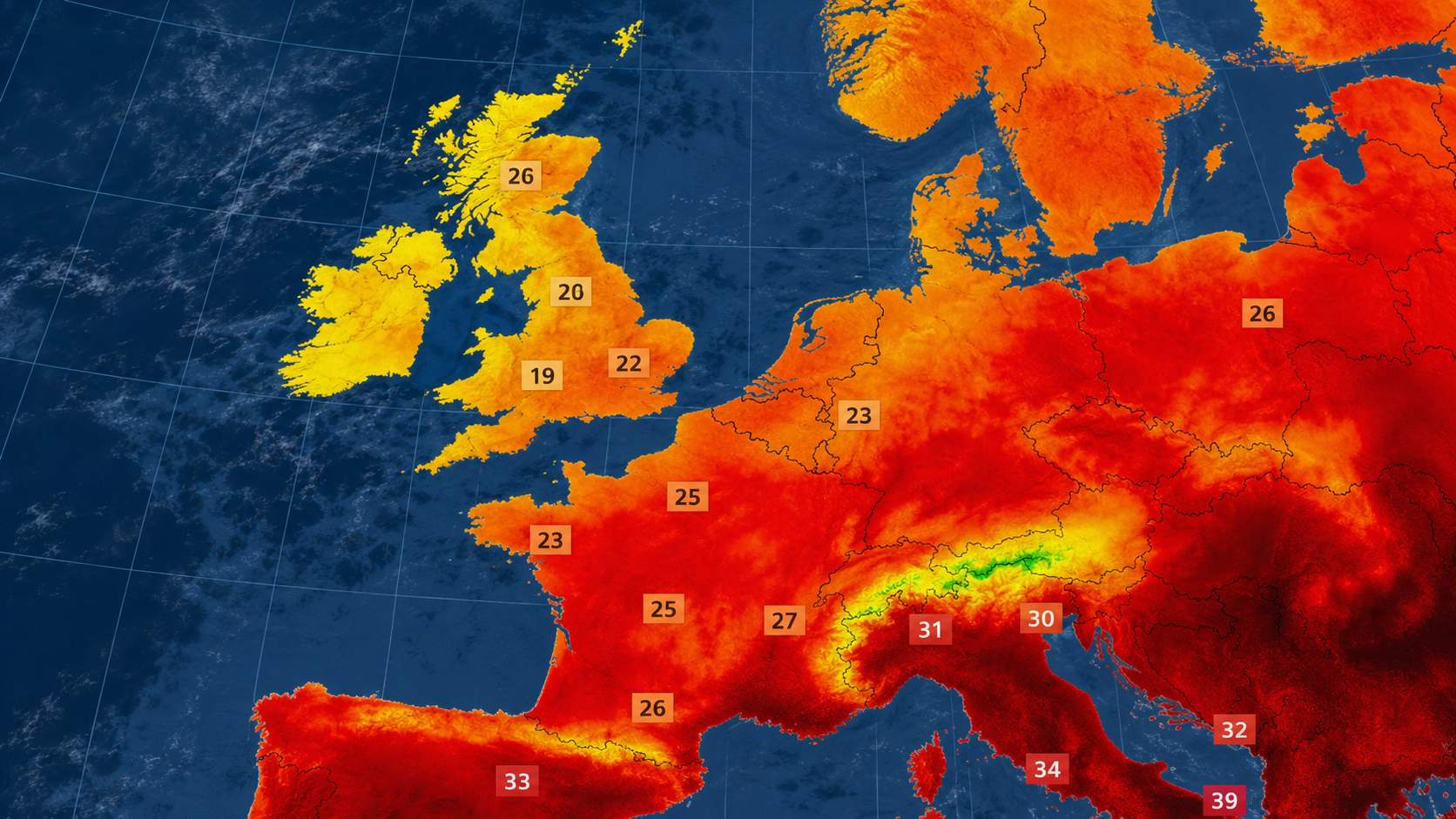
As temperatures rise during the summer months, more people are tempted to cool off by taking a dip in rivers across Newcastle and the wider North East. Beauty spots along the River Tyne, River Wear and River Tees attract walkers, families and outdoor enthusiasts every year, but emergency services continue to warn that inland waterways can quickly become life threatening.
While rivers may appear calm from the bank, hidden currents, cold water, submerged debris and sudden drops in depth create risks that many people underestimate. Water safety experts say even experienced swimmers can find themselves in difficulty within seconds, making river swimming one of the most dangerous outdoor activities during periods of warm weather.
Cold water can be deadly.
One of the biggest dangers facing anyone entering a river is cold water shock. Even during a heatwave, rivers in the North East often remain far colder than the surrounding air temperature.
According to the Royal Life Saving Society UK, cold water shock can trigger an involuntary gasp, rapid breathing and loss of muscle control within moments of entering the water. These reactions can make it impossible for even confident swimmers to stay afloat if they are unprepared.
Water temperatures in many UK rivers frequently remain below 15C throughout much of the year. Research suggests cold water shock becomes a serious risk at temperatures below this level, particularly when people enter the water suddenly.
Strong currents are often invisible.
Many people assume a river that looks calm is safe to enter, but appearances can be misleading. The River Tyne, like many tidal rivers, is affected by changing currents that can become surprisingly powerful beneath the surface.
Fast moving water can quickly pull swimmers away from the riverbank or into deeper sections. Objects hidden below the surface, including rocks, shopping trolleys, discarded bicycles, branches and other debris, also increase the risk of injury.
The Canal and River Trust advises that currents around bridges, weirs and locks are particularly hazardous, while changes in water levels following rainfall can dramatically increase the speed and force of river flows.
Drowning remains a major concern.
Latest figures published through the National Water Safety Forum's Water Incident Database show there were approximately 202 accidental water-related fatalities across the UK during 2025. Around 57 percent occurred at inland waterways, including rivers, lakes and canals, making these locations the most common setting for accidental drowning incidents.
The Royal National Lifeboat Institution also reports that many people who lose their lives in the water never intended to swim. A significant proportion entered the water unexpectedly after slipping, falling or attempting to help someone else.
These figures continue to highlight why emergency services urge people to avoid entering rivers unless they are at designated, supervised locations.
The North East has beautiful waterways, but respect is essential.
From Newcastle Quayside to riverside beauty spots in County Durham and Northumberland, the North East offers countless opportunities to enjoy the outdoors. Walking, cycling, paddleboarding and boating remain popular activities, but local authorities continue to encourage visitors to admire rivers from a safe distance wherever possible.
Tyne and Wear Fire and Rescue Service regularly attends water-related incidents throughout the year and works alongside Northumbria Police and the North East Ambulance Service during emergency rescues. Their advice is consistent. If you see someone in trouble, call 999 immediately and ask for the fire service if inland water rescue is required. Entering the water yourself can place additional lives at risk.
Simple safety advice could save lives.
Experts recommend checking local conditions before visiting any river and avoiding alcohol if spending time near the water. Children should always remain within arm's reach of a responsible adult, while inflatable toys should never be used on rivers because they can be carried away rapidly by changing currents.
If you unexpectedly fall into cold water, the Royal Life Saving Society advises people to fight the instinct to swim immediately. Instead, try to float on your back, control your breathing and call for help until you can safely reach the bank or rescuers arrive.
With another warm summer bringing more visitors to Newcastle's riverside locations, emergency services hope greater awareness of these hidden dangers will help prevent avoidable tragedies. Rivers remain one of the North East's greatest natural attractions, but respecting the water could be the decision that saves a life.
Share your thoughts.
Do you think enough is being done to improve river safety across Newcastle and the North East?
Local News
The Dangerous Risks Lurking Beneath the River Tyne

Advertisement




Comments (0)
You must be logged in to post comments.
Don't have an account? Register here
No comments yet. Be the first to share your thoughts!