
Britain has long prided itself on having accessible politicians. Unlike many countries, MPs regularly meet residents at constituency surgeries, attend community events and walk through the towns and cities they represent without extensive security.
That tradition has increasingly come under pressure as threats, abuse and intimidation directed at elected politicians continue to rise. High profile attacks on MPs, combined with a sharp increase in online abuse, have prompted widespread concern about whether democracy itself is becoming more hostile.
While Newcastle and the wider North East have largely avoided the violent incidents seen elsewhere in the UK, politicians across the region have not escaped the growing tide of abuse that has become a feature of modern political life.
The numbers paint a worrying picture.
The scale of abuse facing MPs has become clearer through a series of parliamentary and Government reports.
A Speaker's Conference on MP security found that 96 percent of MPs surveyed had experienced abuse, harassment or intimidation since being elected. Nearly half of parliamentary staff also reported feeling unsafe because of abuse directed at the politicians they worked for.
The survey also revealed that 27 percent of MPs had received death threats, while 37 percent reported threats of physical harm. Those figures illustrate how abuse has moved far beyond criticism on social media and into behaviour that police increasingly treat as criminal.
Government figures also show that 343 crimes against MPs were recorded by the Metropolitan Police Parliamentary Liaison and Investigation Team between August 2016 and September 2021. Around 94 percent involved violence against the person, with malicious communications making up the overwhelming majority of offences. Female and ethnic minority MPs were disproportionately targeted.
Why are threats increasing?
There is no single explanation, but experts point to several overlapping factors.
Social media has dramatically changed how politicians interact with the public. While platforms allow MPs to engage directly with constituents, they also expose them to anonymous abuse, coordinated harassment campaigns and misinformation that can rapidly escalate.
Political debate has also become increasingly polarised over issues such as Brexit, immigration, the cost of living and international conflicts. Campaigners say disagreements that once remained within political debate are now more likely to become deeply personal.
Research presented to Parliament found that women and ethnic minority candidates experience significantly higher levels of abuse than many of their colleagues, creating concerns that some people may be discouraged from standing for public office altogether.
Newcastle and the North East perspective.
The North East has not experienced the murders of serving MPs seen elsewhere in Britain, but local politicians are far from immune to hostility.
MPs representing Newcastle, Gateshead, Sunderland, Northumberland and County Durham regularly use social media to engage with residents, making them vulnerable to the same online abuse affecting colleagues across Westminster.
Election campaigns across the region have also become increasingly tense, with police forces routinely preparing security plans for high profile visits by national political leaders.
The North East has historically experienced politically motivated violence during the IRA campaign, although those incidents largely targeted infrastructure rather than elected representatives. The legacy of those attacks means police and security agencies continue to treat political threats seriously whenever senior politicians visit the region.
The attacks that changed everything.
Public concern over political security intensified following the murders of Labour MP Jo Cox in 2016 and Conservative MP Sir David Amess in 2021.
Both were attacked while carrying out constituency duties, reinforcing concerns that the openness expected of British MPs can also leave them exposed.
More recently, the investigation into the death of former MP Ann Widdecombe has once again focused national attention on the safety of politicians. Counter Terrorism Policing is leading the investigation, although detectives have not confirmed a political motive and enquiries remain ongoing.
The debate has continued this week after police arrested a man over an alleged online threat to shoot Reform UK leader Nigel Farage, highlighting how seriously authorities are now treating threats made against elected representatives.
How security has changed.
Security for MPs has increased significantly over the past decade.
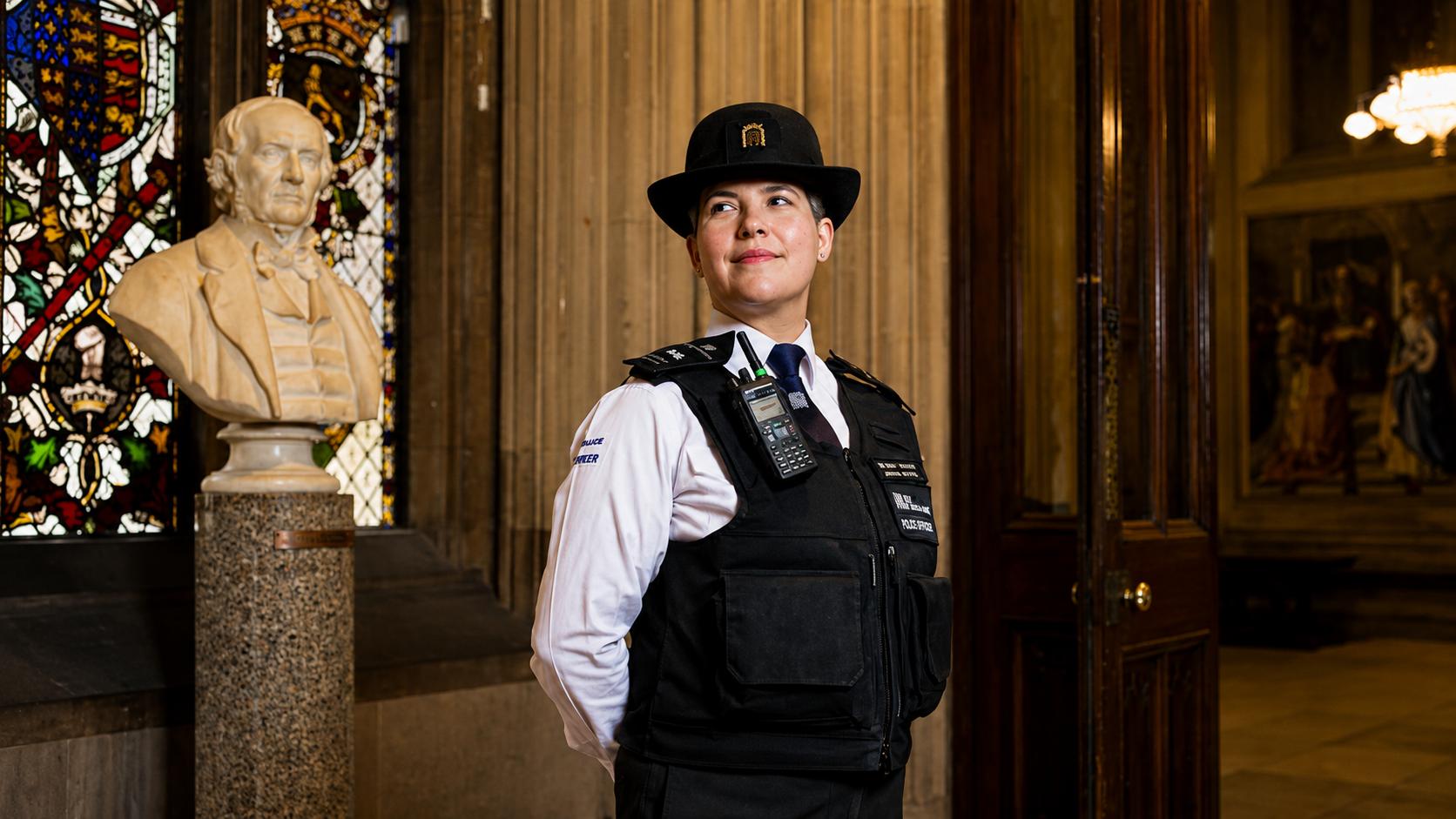
Many constituency offices now have improved CCTV, reinforced doors, panic alarms and professionally trained security staff during public surgeries. Risk assessments are routinely carried out before public events, while Parliament's security teams work closely with local police forces.
These measures are intended to protect politicians without removing the face to face contact that remains central to British democracy.
Many MPs argue that completely separating politicians from the public would ultimately damage trust between voters and those elected to represent them.
Why this matters for everyone.
Threats against politicians are often viewed as a problem affecting Westminster, but their impact reaches far beyond Parliament.
When abuse discourages people from entering politics, democracy becomes less representative. If MPs feel unable to hold public meetings or constituency surgeries, communities lose valuable opportunities to raise concerns directly with decision makers.
The challenge facing Britain is finding the right balance between protecting public figures and preserving the open democratic system that has long defined British politics.
With abuse continuing to rise and police responding to an increasing number of threats, that balance is likely to remain one of the biggest challenges facing politics in the years ahead.
Join the discussion.
Do you think politicians should receive greater protection, or is public accessibility too important to lose?
Political News
The Growing Danger Facing Local Councillors, MPs & Politicians
Advertisement


Comments (0)
You must be logged in to post comments.
Don't have an account? Register here
No comments yet. Be the first to share your thoughts!