
Antibiotics have transformed modern medicine and saved millions of lives since their introduction. They remain one of the most important tools available to doctors for treating bacterial infections. However, growing concerns are emerging over the long-term health consequences associated with taking antibiotics too frequently or unnecessarily.
Medical professionals are increasingly warning that the misuse and overuse of antibiotics could have lasting effects on individual health while also contributing to a wider global health crisis involving antibiotic-resistant infections.
As awareness of antimicrobial resistance grows, experts say people need to better understand how repeated antibiotic use may impact the body long after an infection has cleared.
Antibiotics Can Disrupt The Body's Natural Balance.
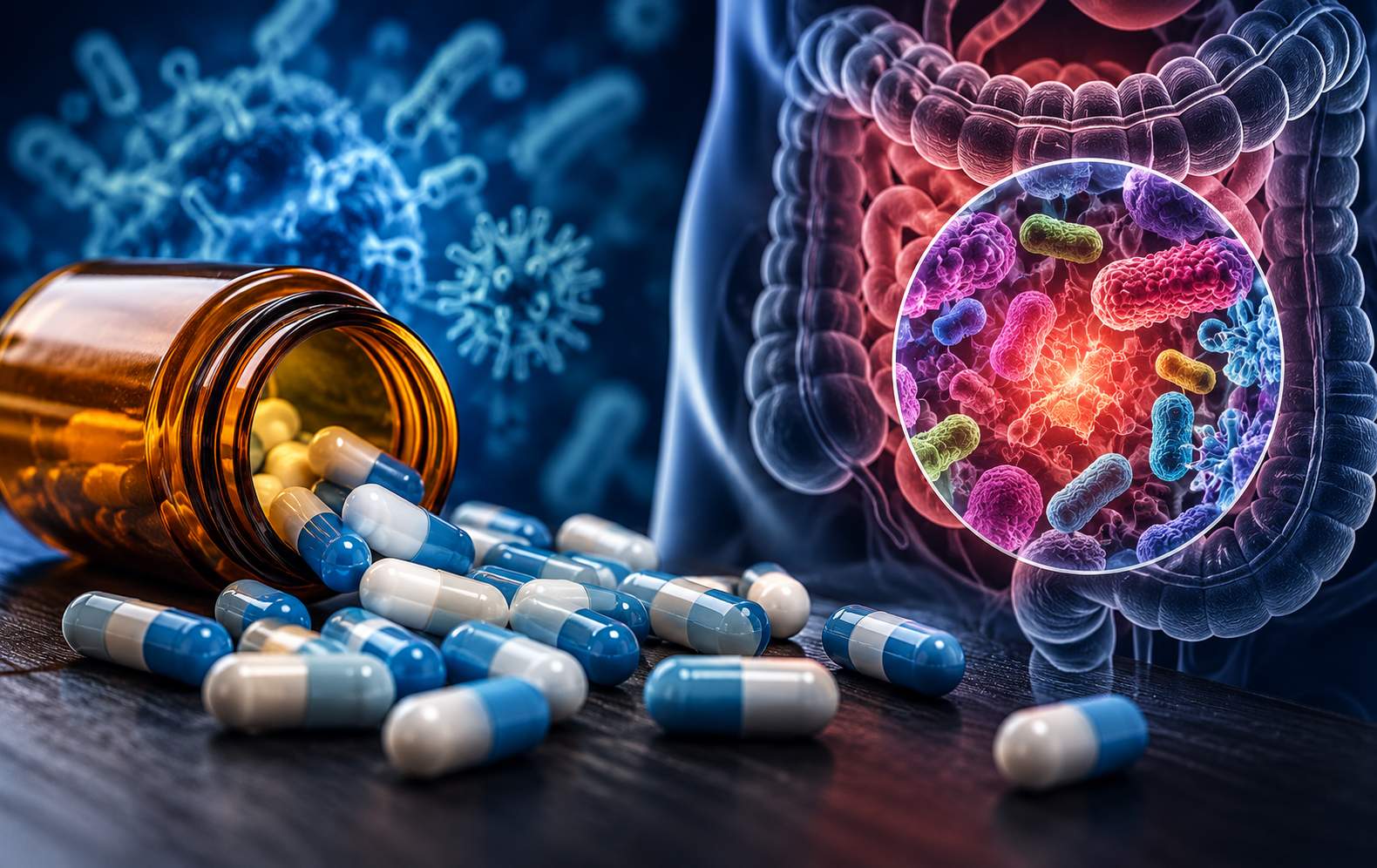
One of the most significant concerns surrounding frequent antibiotic use involves the human microbiome.
The gut contains trillions of bacteria that play an important role in digestion, nutrient absorption, metabolism and immune function. While antibiotics are designed to eliminate harmful bacteria, they can also destroy beneficial bacteria that help maintain overall health.
Researchers have found that repeated courses of antibiotics may alter the balance of the gut microbiome for extended periods, potentially increasing vulnerability to digestive issues and other health problems.
Many healthcare professionals now believe maintaining a healthy microbiome is an important factor in supporting long-term wellbeing.
Overuse May Increase The Risk Of Antibiotic Resistance.
Perhaps the biggest concern linked to excessive antibiotic use is antimicrobial resistance, often referred to as antibiotic resistance.
This occurs when bacteria evolve and become resistant to medications that previously worked effectively against them. As resistance spreads, common infections become more difficult to treat and may require stronger medications or longer hospital stays.
According to the World Health Organization, antimicrobial resistance was directly responsible for approximately 1.27 million deaths globally in 2019 and contributed to nearly 4.95 million deaths worldwide. The organisation describes antimicrobial resistance as one of the most serious public health threats facing the modern world.
Health experts say misuse and overuse of antibiotics remain among the primary drivers behind this growing problem.
Superbug Infections Continue To Rise.
The rise of antibiotic-resistant bacteria has become a growing concern in the UK and around the world.
The latest English Surveillance Programme for Antimicrobial Utilisation and Resistance report found increasing levels of antibiotic-resistant infections across England. Officials reported ongoing concerns regarding antimicrobial resistance despite efforts to reduce inappropriate antibiotic use.
Separate reporting from the British Medical Journal highlighted that antibiotic-resistant infections in England continue to increase, with nearly 400 new resistant infection cases being reported every week during the previous reporting period.
These infections are often referred to as "superbugs" because they no longer respond to commonly prescribed antibiotics.
For patients, this can mean longer recovery periods, increased complications and a greater risk of serious illness.
Scientists Fear A Future Health Crisis.
Experts have repeatedly warned that antibiotic resistance could become one of the defining healthcare challenges of the coming decades.
A major study from the Global Research on Antimicrobial Resistance Project estimated that more than 39 million people could die globally from antibiotic-resistant infections between now and 2050 if current trends continue.
Researchers also found that antibiotic-resistant infections have already been responsible for more than one million deaths annually for several decades.
The findings have intensified calls for more responsible antibiotic prescribing and greater public awareness regarding antibiotic misuse.
Antibiotics Are Often Used When They Are Not Needed.
One challenge facing healthcare systems is that antibiotics are sometimes requested for illnesses they cannot treat.
Antibiotics are effective against bacterial infections but do not work against viruses such as colds, flu or most sore throats.
Despite repeated public health campaigns, experts say many people still expect antibiotics for viral illnesses, increasing pressure on healthcare providers.
The World Health Organization continues to identify inappropriate antibiotic use as a major factor contributing to antimicrobial resistance worldwide.
Doctors increasingly encourage patients to allow minor viral illnesses to run their course rather than seeking antibiotics unnecessarily.
The Impact On The Immune System And Overall Health.
Researchers continue to investigate how repeated antibiotic exposure may influence immune system function over time.
Some studies suggest disruption of the microbiome could affect immune regulation, inflammation levels and susceptibility to future infections.
While antibiotics remain essential for treating many bacterial illnesses, some experts believe unnecessary use could potentially make it harder for the body to maintain its natural microbial balance.
There is also growing interest in understanding potential links between microbiome disruption and conditions affecting metabolism, allergies and digestive health.
Although more research is ongoing, scientists generally agree that preserving healthy bacterial diversity within the body is beneficial for long-term health.
Climate Change May Be Making The Problem Worse.
Emerging research suggests environmental factors may also contribute to the spread of antibiotic resistance.
A large international study examining more than 480,000 bacterial samples found evidence that climate change may be accelerating the spread of antibiotic resistance genes worldwide. Researchers reported a 10 percent increase in resistance-related genetic markers linked to climate-related environmental changes.
Scientists believe rising temperatures may create conditions that allow resistant bacteria to spread more easily between humans, animals and the environment.
The findings have added another layer of urgency to efforts aimed at controlling antibiotic misuse globally.
How People Can Use Antibiotics More Responsibly.
Healthcare professionals stress that antibiotics remain safe and highly effective when used appropriately.
Experts recommend only taking antibiotics when prescribed by a qualified healthcare professional and completing the full prescribed course unless advised otherwise.
Patients are also encouraged not to share antibiotics with others, save leftover medication for future illnesses or pressure doctors into prescribing antibiotics unnecessarily.
Simple steps such as vaccination, hand hygiene and maintaining good overall health can help reduce infection rates and limit the need for antibiotic treatment.
By using antibiotics responsibly, individuals can help protect both their own health and the effectiveness of these vital medicines for future generations.
Why Antibiotic Awareness Matters More Than Ever.
The growing threat of antibiotic resistance highlights the importance of balancing medical treatment with responsible prescribing practices.
While antibiotics continue to save countless lives every year, experts warn that unnecessary use may carry consequences that extend far beyond the original illness.
Understanding the long-term effects of antibiotic overuse could play an important role in protecting public health and slowing the rise of dangerous drug-resistant infections.
Do you think enough awareness exists around antibiotic resistance and long-term health risks?
Health News
The Long-Term Effects Of Antibiotic Overuse Newcastle Residents Need To Know
Advertisement




Comments (0)
You must be logged in to post comments.
Don't have an account? Register here
No comments yet. Be the first to share your thoughts!