
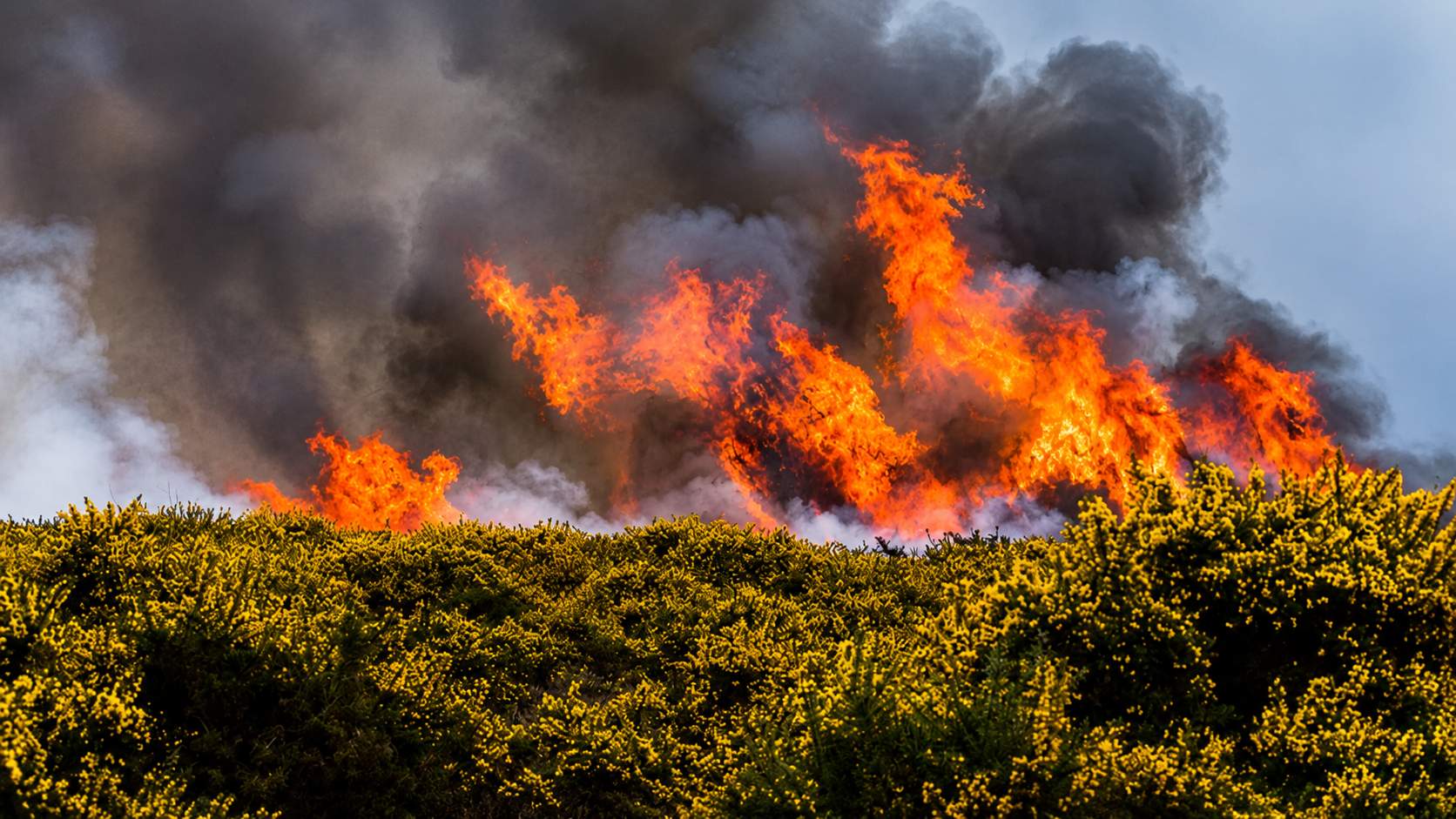
Britain's worsening wildfire season has put renewed attention on a deceptively simple question - what actually starts a wildfire?
The answer is important for Newcastle and the wider North East because many outdoor fires do not begin with an extraordinary natural event. They can start with everyday human activity, from discarded cigarettes and barbecues to campfires and deliberately started blazes.
Hot weather does not usually provide the ignition itself. Instead, prolonged heat and lack of rain can transform grass, heathland and other vegetation into extremely dry fuel. Add wind and a small fire can suddenly become much more difficult to contain.
With 1,085 wildfires already recorded across England and Wales during 2026, understanding the causes could help prevent the next major blaze. That total has already passed the 1,017 incidents recorded throughout 2025.
Barbecues and open flames pose a major risk.
Barbecues are one of the most obvious avoidable dangers during prolonged periods of dry weather.
Disposable barbecues are particularly concerning because they are positioned close to the ground and can remain dangerously hot long after people believe they have finished with them. Heat, sparks or hot charcoal can ignite dry vegetation.
The risk has become serious enough for the Government to introduce a temporary ban on disposable barbecues during the current wildfire emergency. People have also been urged to avoid campfires, fireworks and other outdoor flames.
For people visiting Northumberland countryside, Newcastle parks or other green spaces around the North East, that means thinking twice before introducing any source of heat or flame during very dry conditions.
Cigarettes can start fires in seconds.
Carelessly discarded cigarettes are another preventable ignition source.
A cigarette thrown from a vehicle or dropped beside dry vegetation can retain enough heat to start smouldering material. The danger increases considerably when grass and plants have been dried by days or weeks of warm weather.
The same principle applies to matches and other smoking materials.
People should extinguish cigarettes completely and never discard them on grassland, moorland or roadside vegetation.
Campfires can escape surprisingly quickly.
A small campfire might appear manageable, but flames can spread beyond their intended area when surrounding vegetation is extremely dry.
Wind can also carry embers beyond the immediate fire, potentially creating new ignition points some distance away.
That is particularly relevant across areas of Northumberland and the wider North East where woodland, heathland and open countryside can become vulnerable during prolonged dry spells.
Government advice during the current wildfire threat is straightforward - do not light campfires or other outdoor fires while the risk remains high.
Deliberate fires and arson remain a concern.
Not every wildfire begins accidentally.
Deliberately started fires are another problem facing fire and rescue services, although the motivation and circumstances behind individual incidents vary considerably.
Arson becomes particularly dangerous during extreme wildfire conditions because a relatively small deliberately started grass fire can spread into a much larger incident.
The consequences can extend far beyond scorched land. Fires can threaten homes, wildlife, roads, railway lines and firefighters themselves.
Hot weather turns small fires into major incidents.
Heatwaves are often described as causing wildfires, but the relationship is more complicated.
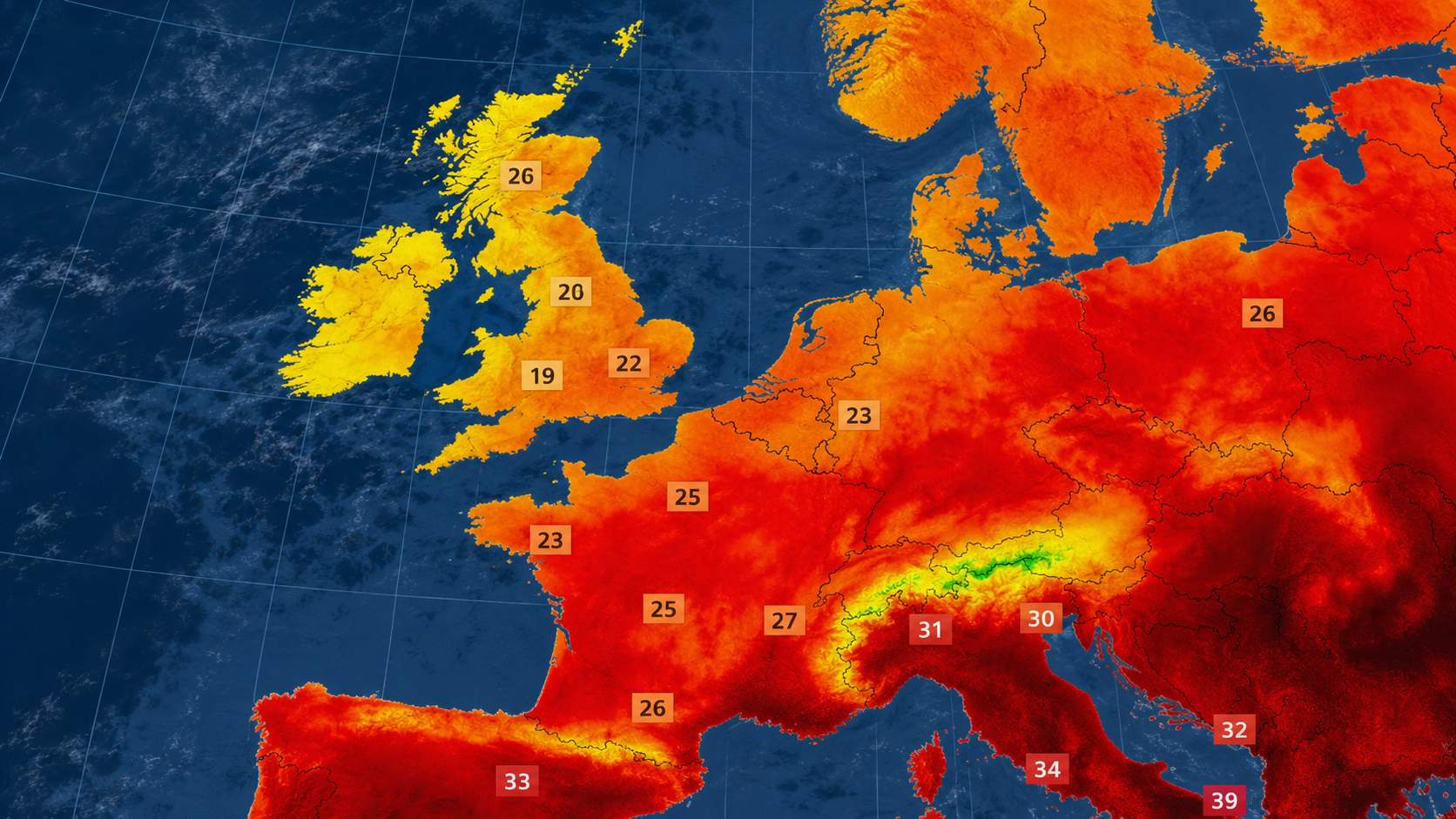
The real danger comes from the conditions extreme weather creates. Long periods without significant rain remove moisture from vegetation. High temperatures dry the landscape further, while wind can accelerate flames and carry embers.
Official figures demonstrate the relationship clearly.
During the exceptionally hot summer of 2022, England's fire services attended 48,322 secondary fires between July and September alone, alongside 3,997 outdoor primary fires. The number of fires attended across England subsequently increased by 24% in the year ending December 2022.
When wetter weather returned, outdoor fire numbers dropped dramatically. In the year ending June 2024, outdoor primary fires were down 42% compared with the previous year, while secondary fires fell 37%. Government statisticians specifically pointed towards wetter conditions as a likely influence.
Britain's 2026 wildfire season is breaking records.
The current situation demonstrates just how quickly conditions can deteriorate.
More than 1,000 wildfires have already been recorded across England and Wales this year, with the latest figure reported at approximately 1,085. July alone accounted for hundreds of incidents.
The situation has become so serious that an emergency warning was sent to millions of phones across England and Wales, including Newcastle and the North East, urging people not to light anything capable of starting a fire.
Recent fires have demonstrated what is at stake. A major blaze in Stourbridge destroyed 19 homes, while emergency services have been dealing with dozens of serious incidents across the country.
How Newcastle residents can reduce the risk.
Preventing wildfires ultimately involves removing potential ignition sources before a fire has the opportunity to begin.
During periods of extreme heat, people should avoid disposable barbecues, campfires and fireworks, dispose of cigarettes safely and take particular care around dry grass and vegetation.
Glass bottles and rubbish should also be taken home rather than abandoned outdoors, while vehicles should not be parked over exceptionally dry grass where hot components could present an ignition risk.
Anyone seeing an unattended fire should move to safety and call 999 immediately rather than attempting to tackle a rapidly developing wildfire themselves.
For Newcastle and the North East, the message is particularly relevant during prolonged dry weather. A fire does not have to begin as a major incident. Under the wrong conditions, one small ignition source can be enough.
Share your thoughts.
Which wildfire risk do you think people underestimate most?
Local News
The Most Common Causes of UK Wildfires Revealed
Advertisement



Comments (0)
You must be logged in to post comments.
Don't have an account? Register here
No comments yet. Be the first to share your thoughts!