
Football may dominate conversation across the North East, but the region has a distance-running and athletics tradition every bit as deep, one that has produced Olympic medallists and helped establish one of the most famous mass-participation sporting events anywhere in the world.
Much of that reputation stems from a strong culture of club athletics across the region, with local running clubs in Newcastle, Gateshead and the surrounding towns providing structured coaching and competition for athletes ranging from complete beginners through to genuine elite-level competitors, often training on the very same tracks and routes used by both groups.
Gateshead in particular has built a significant reputation within British athletics, home to a stadium that has hosted major international athletics events over the years and helped establish the wider region as a genuine centre for the sport, well beyond what its size alone might otherwise suggest.
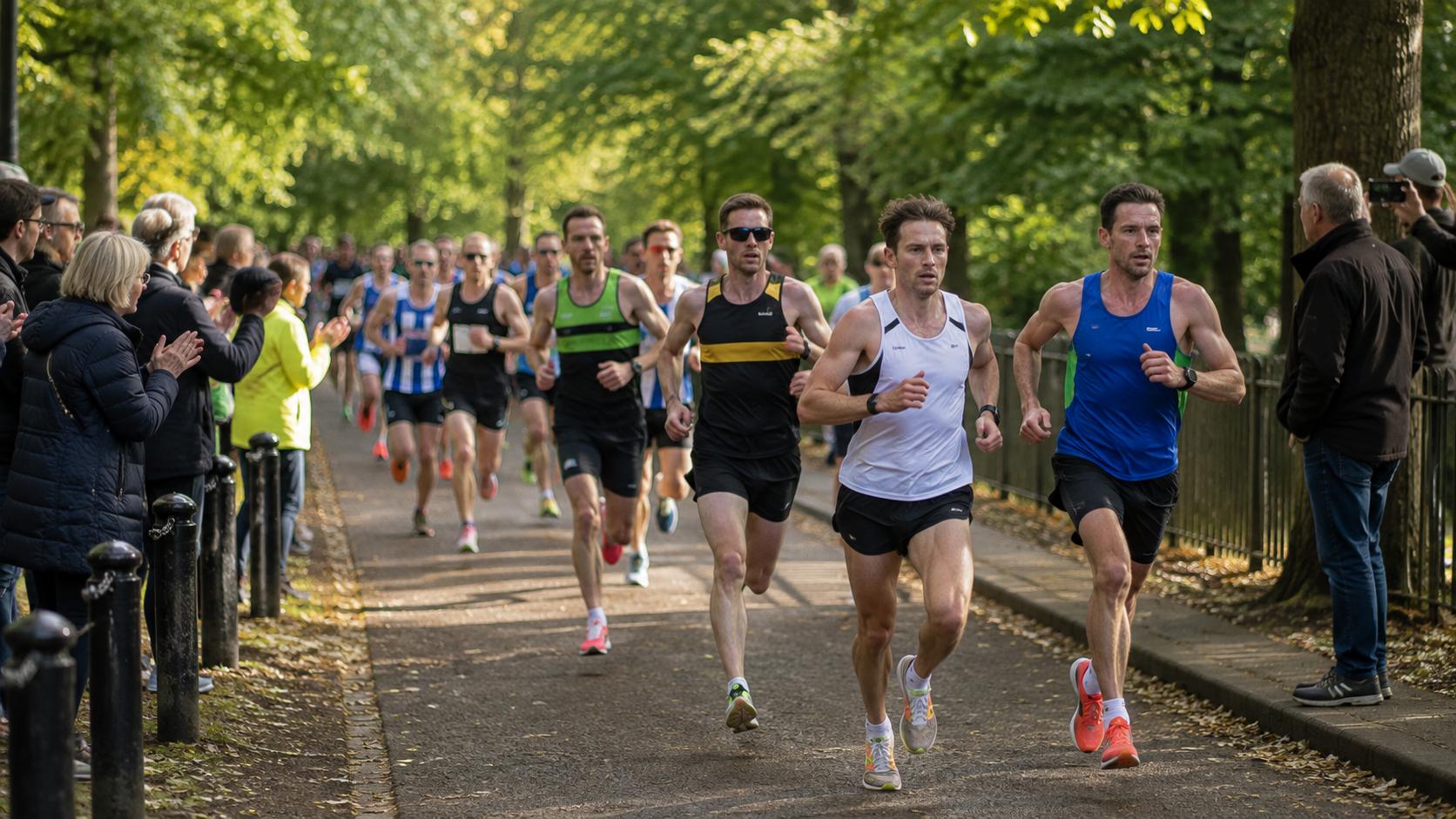
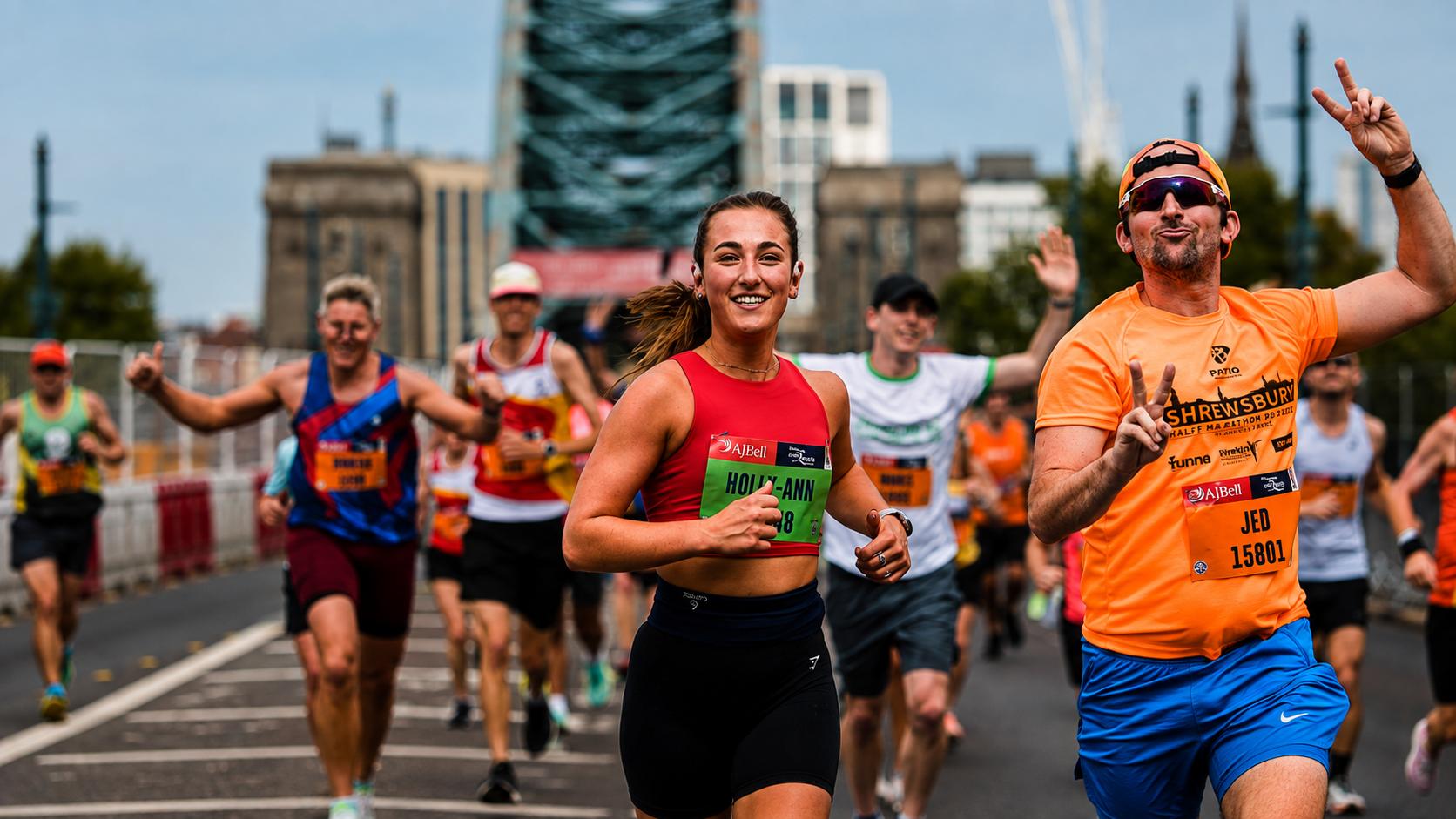
The region's most famous athletics export remains road running, with the North East's flat coastal routes and strong local running culture combining to help establish the area as a genuine hotbed for distance runners, feeding both elite competitors and the huge mass-participation events the region has become known for hosting.
Youth participation in athletics across the North East has benefited considerably from that visible local success, with school and club programmes able to point to genuine, relatable local role models who came up through exactly the same regional pathway that young athletes are currently following themselves.
Coaching expertise built up across decades within the region's athletics clubs has become a genuine local asset, with several coaches based in the North East developing reputations that extend well beyond the athletes they work with locally, an echo of the same coaching tradition found within the region's boxing gyms.
Local schools across the region have increasingly incorporated structured athletics coaching into their sports programmes, often supported by partnerships with nearby clubs, giving children an early introduction to disciplines well beyond the running events most commonly associated with school sports days, including field events that receive comparatively little attention elsewhere.
Volunteer timekeepers, officials and coaches remain just as essential to the region's athletics tradition as they are across grassroots football and boxing, with local competitions and training sessions across the North East continuing to rely heavily on unpaid community effort to function at all.
Local athletics clubs have also benefited from the profile of the region's biggest running event, with membership numbers at clubs across the North East often seeing a noticeable rise in the weeks following the Great North Run, as participants inspired by the occasion look to continue running in a more structured, club-based setting.
From Olympic stadiums to local running clubs, the North East's athletics tradition remains a quieter but consistently significant part of the region's broader sporting identity, one built on decades of steady, largely unglamorous grassroots development. It is a tradition built on patience, coaching and community rather than fleeting individual success.
Share your views.
Do you run or compete in athletics locally yourself?
Sports News
The North East's Long Running and Athletics Tradition
Beyond football, the North East has a rich distance-running and athletics heritage, producing Olympic medallists and one of the world's most famous mass-participation races.
Advertisement

Comments (0)
You must be logged in to post comments.
Don't have an account? Register here
No comments yet. Be the first to share your thoughts!