
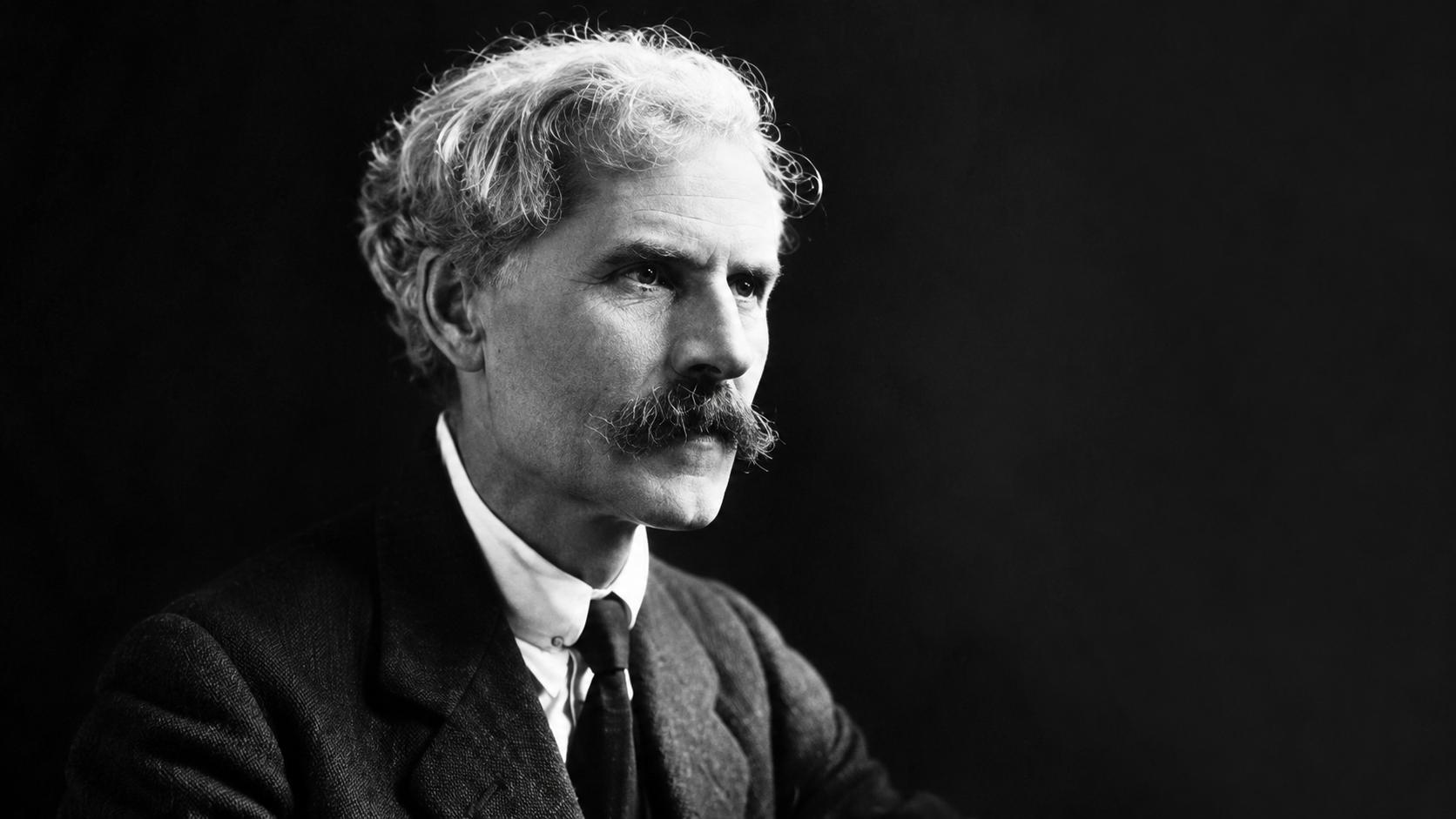
James Ramsay MacDonald had already made history once by 1929, having become Britain's first-ever Labour Prime Minister in a short-lived minority government back in 1924. Born in Lossiemouth, Scotland, the illegitimate son of a ploughman and a housemaid, MacDonald had risen from genuinely humble beginnings to lead the still-young Labour Party through its formative national breakthrough, but his most significant premiership was still ahead of him.
Ahead of the 1929 general election, MacDonald moved constituency, standing instead for the Seaham division of County Durham, a solidly working-class mining seat considerably more secure than his previous Welsh constituency of Aberavon. The move proved decisive. Labour emerged as the largest single party in the resulting election, and MacDonald, now the sitting MP for a North East Durham colliery constituency, became Prime Minister for the second time.
MacDonald's second government, governing from 1929 to 1931 while he represented Seaham, achieved genuine social reforms despite lacking an outright parliamentary majority, passing a revised Old Age Pensions Act, a more generous Unemployment Insurance Act, and legislation improving wages and conditions specifically within the coal industry, directly addressing many of the underlying grievances that had fuelled the previous decade's General Strike among miners like many of his own Seaham constituents.
The government's achievements were soon overwhelmed by international economic catastrophe. The Wall Street Crash of October 1929 triggered a global depression that devastated Britain's economy, pushing unemployment to 2.7 million people, roughly 22 percent of the entire insured workforce, and plunging industrial production below pre-war levels, a crisis that hit heavy industry and mining regions like County Durham especially hard.
Facing this deepening economic crisis, MacDonald made the controversial decision in 1931 to form a National Government in coalition with Conservatives and Liberals, a move that split the Labour Party bitterly and saw MacDonald himself effectively expelled from the party he had led for decades. Despite this political earthquake, MacDonald retained his Seaham seat at the subsequent 1931 general election, continuing to serve as Prime Minister of the new National Government.
MacDonald's health and standing declined steadily throughout his second period as Prime Minister of the National Government, which lasted until 1935. Increasingly viewed as a diminished, isolated figure even by former allies, he eventually stepped down as Prime Minister in June 1935, exchanging positions with Stanley Baldwin and taking the more junior role of Lord President of the Council for the remainder of that government.
At the general election later in 1935, MacDonald faced the ultimate political humiliation directly within his own adopted North East constituency, losing the Seaham seat he had represented as a sitting Prime Minister to a rival Labour candidate. The scale of the defeat shocked Westminster, ending MacDonald's direct connection to County Durham after just six remarkable years representing a seat that had briefly made a Durham mining constituency the political centre of Britain.
Beyond domestic policy, MacDonald's second government devoted considerable energy to international affairs during his years representing Seaham, with the Prime Minister personally travelling to the United States in October 1929 for talks with President Herbert Hoover, and later presiding over the London Naval Conference of 1930, a significant international disarmament negotiation that placed his Durham constituency briefly at the very centre of global diplomatic attention.
MacDonald's government also opened formal negotiations with India regarding a greater degree of self-government during this same period, part of a broader foreign policy agenda that stood in genuine contrast to the severe domestic economic hardship simultaneously affecting many of his own Seaham constituents, a tension that some historians argue contributed to the eventual, bitter breakdown of his relationship with the wider Labour movement.
Ramsay MacDonald died at sea in November 1937 during a recuperative voyage, having briefly returned to Parliament for the Combined Scottish Universities seat. His six years as MP for Seaham remain a genuinely extraordinary chapter in North East political history, a period when Downing Street's occupant sat in the Commons for a County Durham colliery seat, connecting the highest office in the land directly to the coalfields that had shaped so much of the region's identity.
MacDonald's Seaham years remain a uniquely studied period in modern political history, precisely because so few Prime Ministers have ever represented a genuinely working-class colliery constituency while in Downing Street.
Join the discussion.
Did you know a British Prime Minister once represented County Durham?
Political News
The Prime Minister of Seaham: How a Durham Seat Sent Ramsay MacDonald to Downing Street
For six extraordinary years, Britain's first ever Labour Prime Minister sat in Downing Street while representing the County Durham mining seat of Seaham.
Advertisement


Comments (0)
You must be logged in to post comments.
Don't have an account? Register here
No comments yet. Be the first to share your thoughts!