
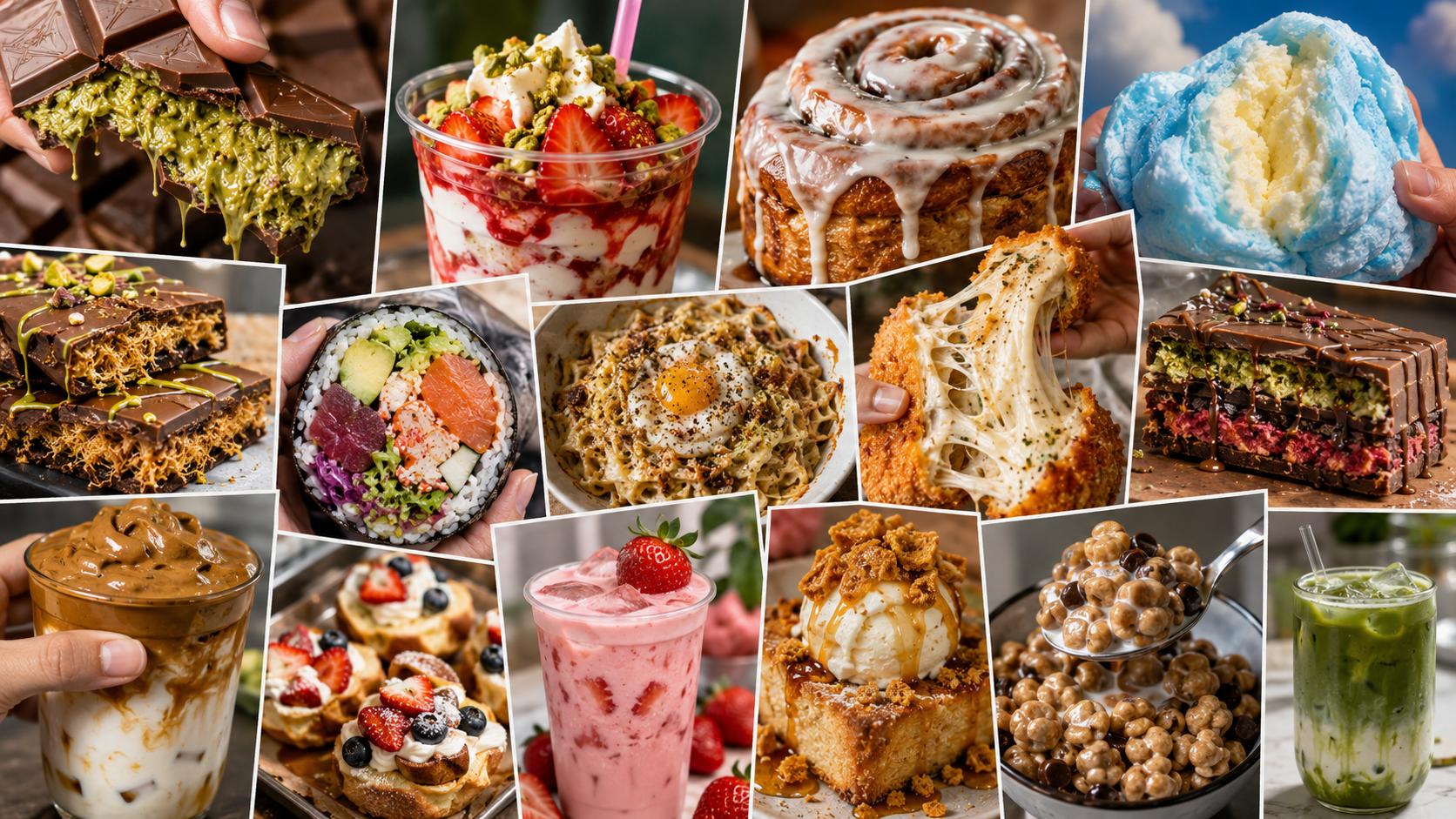
It only takes one viral TikTok video to turn an everyday ingredient into the latest must-have product. One week it is baked feta pasta. The next it is Dubai chocolate, matcha lattes or cucumber salad. While social media has introduced millions of people to new flavours and independent businesses, there is another side to the story that many consumers never see.
Behind every trending recipe or photogenic drink is a supply chain trying to keep up with demand. For cafes, restaurants and food producers in Newcastle and across the North East, the race to satisfy customers can bring rising costs, stock shortages and difficult decisions about what stays on the menu.
As food trends continue to spread faster than ever before, the hidden cost of going viral is becoming increasingly clear.
How social media is changing the food industry.
Food trends once took months, or even years, to become mainstream. Today, a single creator can introduce a recipe to millions of people overnight, sending shoppers into supermarkets and cafes looking for the same product.
According to Deliveroo's latest food trends research, one in three Britons now choose viral food spots over Michelin Guide restaurants, highlighting just how much influence social media has over where people spend their money.
Meanwhile, Just Eat research found 49 percent of UK consumers say what they eat is influenced by what they see online, showing that TikTok and Instagram are now shaping food choices almost as much as family recommendations or traditional advertising.
For Newcastle's thriving independent food scene, that visibility can be a huge opportunity. One popular video can introduce thousands of potential customers to a local business.
When popularity becomes a problem.
Success, however, often comes with consequences.
The recent global matcha shortage demonstrated how quickly demand can outgrow supply. Japanese producers have struggled to meet international demand as social media transformed matcha from a niche tea into a global lifestyle drink. Some suppliers even introduced purchase limits as stocks became harder to secure.
The same pattern has affected other products. Viral cucumber salad recipes reportedly caused temporary cucumber shortages in some supermarkets, while demand for Dubai chocolate has increased pressure on pistachio supplies in several markets.
Many of these ingredients require months or even years to produce, meaning supply cannot simply increase because a hashtag starts trending.
Newcastle businesses must balance trends with reality.
Independent cafes across Newcastle have become increasingly creative, regularly introducing limited-edition drinks and desserts inspired by global food trends.
Customers enjoy discovering something new, but constantly changing menus also creates financial risks. Businesses often need to source specialist ingredients in smaller quantities, sometimes paying significantly higher wholesale prices if demand suddenly spikes.
For smaller independent businesses operating with tight profit margins, buying expensive stock that may fall out of fashion within weeks is a gamble.
Some owners instead focus on adapting trends using locally available ingredients or seasonal produce, helping them reduce costs while still giving customers something fresh to try.
Food waste is another hidden challenge.
Viral trends rarely last forever.
When the online attention moves elsewhere, businesses can be left with surplus ingredients that are difficult to use elsewhere on the menu. That increases the risk of unnecessary food waste and financial losses.
The UK already wastes around 10.7 million tonnes of food every year, according to WRAP, with households and businesses both contributing to the problem. Although viral trends are only one factor, rapidly changing consumer habits can make forecasting demand even more difficult.
Many cafes now respond by launching limited-time specials instead of permanently adding viral products, allowing them to test customer demand before committing to larger orders.
Are viral food trends here to stay.
There is little sign that social media's influence is slowing down. Platforms such as TikTok continue to shape what people cook, order and search for online, creating opportunities for independent businesses that can react quickly.
For Newcastle and the wider North East, embracing trends can attract new customers and showcase local creativity. However, the most successful businesses are often those that balance viral moments with long-term sustainability, ensuring they do not sacrifice quality or profitability simply to chase the latest craze.
As the next trend inevitably arrives, whether it is colourful ube drinks, premium Japanese tea or another unexpected ingredient, the real challenge will be deciding which fads are worth following and which are best left on social media.
Share your views in the comments.
What is the best viral food trend you've discovered online?
Food & Drink News
The Real Impact Of Viral Food Trends
Advertisement

Comments (0)
You must be logged in to post comments.
Don't have an account? Register here
No comments yet. Be the first to share your thoughts!