
For years, matcha has been one of the fastest-growing drinks in coffee shops across the UK. From bright green lattes to desserts and iced drinks, demand has surged thanks to social media, wellness trends and a growing appreciation for Japanese tea culture. Now, however, the popularity of matcha has created an unexpected problem. The world is running short of it.
The global matcha shortage is already forcing Japanese producers to limit sales, pushing wholesale prices higher and leaving cafes wondering whether supplies will remain reliable throughout the year. While Newcastle and the wider North East are thousands of miles from Japan's tea fields, local independent cafes could soon notice the effects through higher costs and changing menus.
Why is there a global matcha shortage.
The biggest reason is simple. Demand has grown much faster than supply.
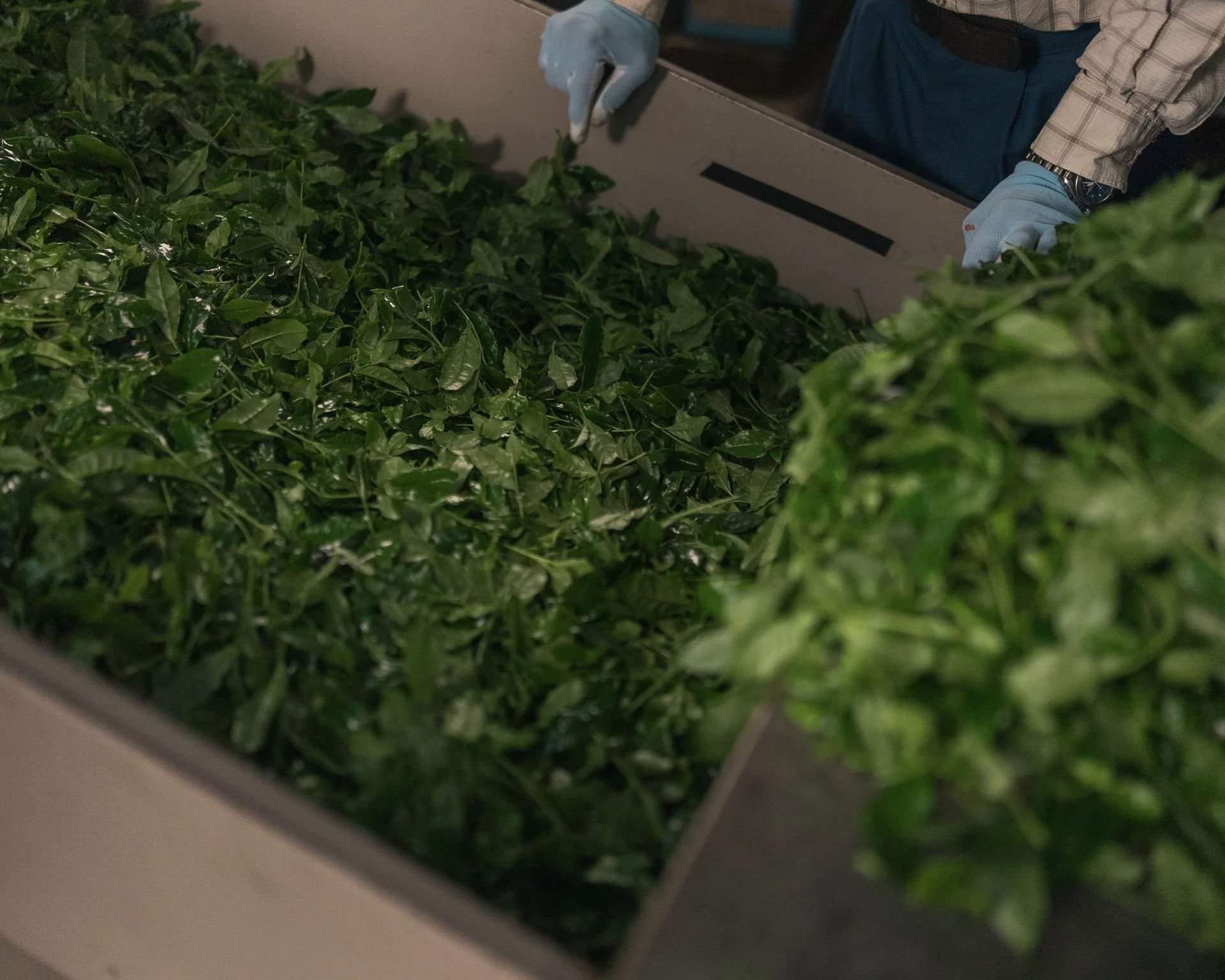
Matcha is made from tencha, a shade-grown green tea that requires careful cultivation before the leaves are harvested, steamed, dried and traditionally ground into powder using granite stone mills. Producing high-quality ceremonial matcha is a slow process, with some traditional mills producing only around 30 grams an hour, enough for just a handful of drinks.
Unlike coffee, production cannot quickly be expanded. New tea plants can take several years to mature, while experienced growers and specialist stone mills remain limited across Japan.
Social media has transformed a traditional drink.
TikTok, Instagram and YouTube have introduced matcha to millions of younger consumers, with influencers regularly showcasing colourful iced drinks and recipes.
The trend has moved far beyond tea enthusiasts. Matcha now appears in protein shakes, pastries, chocolate, ice cream and skincare products, creating demand from multiple industries at the same time. Tourism has also played a role, with record visitor numbers to Japan purchasing premium matcha directly from famous producers.
Some well-known Japanese brands have even introduced purchase limits after struggling to meet international demand.
The numbers behind the shortage.
Several figures highlight how quickly the market has changed.
Japan produced approximately 4,176 tonnes of matcha in 2023, around three times more than in 2010, yet global demand continues to outpace production.
Official trade data also shows Japan exported more than 5,000 tonnes of matcha during 2024, an increase of almost 19 percent compared with the previous year, while export values rose by nearly 26 percent as prices increased.
Meanwhile, industry reports suggest unusually warm weather reduced parts of Japan's tencha harvest by around 20 to 25 percent, placing further pressure on already stretched supplies.
Another long-term challenge is farming. Japan lost around 53,000 tea farmers between 2000 and 2020, making it harder to expand production despite soaring international demand.
What could this mean for Newcastle and the North East.
Newcastle's independent cafe scene has become increasingly adventurous, with many businesses offering matcha alongside speciality coffee and seasonal drinks.
If wholesale prices continue to rise, some cafes may decide to increase menu prices, reduce the number of matcha-based drinks they offer or introduce alternatives such as hojicha, a roasted Japanese green tea that has been gaining popularity across the UK.
For customers, the difference may be gradual rather than dramatic. Matcha is unlikely to disappear from menus, but premium ceremonial-grade powders could become harder to source and more expensive over the coming months. Cafes may instead reserve the highest-quality products for signature drinks while using culinary-grade matcha in everyday lattes.
Why the shortage may continue.
Experts believe this is more than a temporary supply issue. Matcha production depends on specialist farming, skilled workers and traditional processing methods that cannot be expanded overnight.
At the same time, global demand shows little sign of slowing as consumers continue searching for healthier alternatives to coffee and new premium cafe experiences. That combination means prices could remain elevated well into the future, making matcha one of the most sought-after ingredients in speciality drinks.
For Newcastle and the wider North East, it is another reminder that global food trends increasingly shape what appears on local menus. Whether it is coffee beans from South America or tea leaves from Kyoto, international supply chains now influence the everyday choices available in neighbourhood cafes.
Share your experiences.
Have you noticed matcha becoming more expensive at your favourite Newcastle cafe?
Food & Drink News
Why We're Running Out Of Matcha On A Global Scale
Advertisement




Comments (0)
You must be logged in to post comments.
Don't have an account? Register here
No comments yet. Be the first to share your thoughts!