
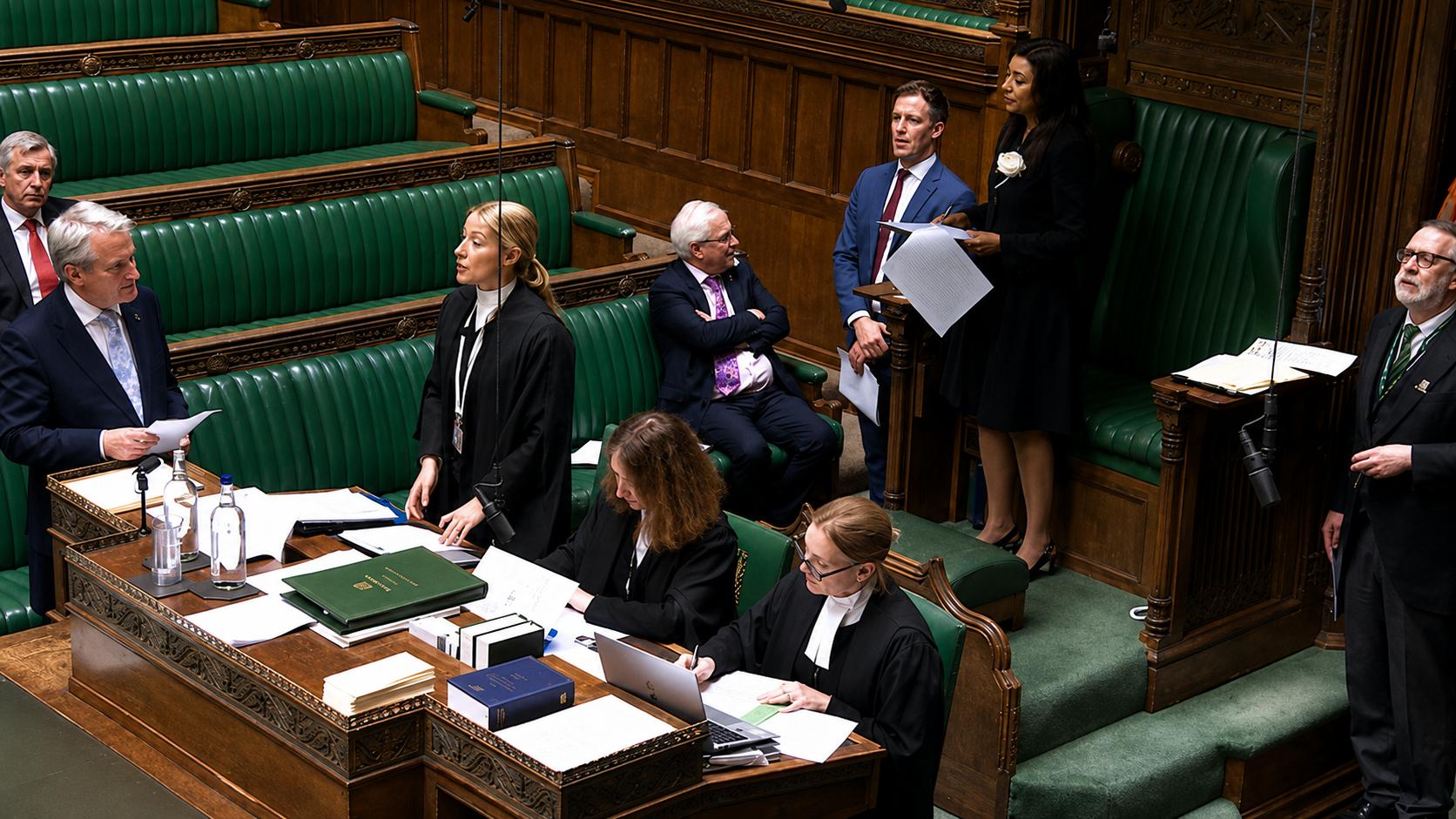
Protecting Britain's politicians has become one of the fastest growing security challenges facing the country. Once considered a relatively low cost part of public life, safeguarding MPs, councillors, mayors and other elected representatives now requires millions of pounds in public funding each year, alongside thousands of hours of police time.
The murders of Labour MP Jo Cox in 2016 and Conservative MP Sir David Amess in 2021 transformed how security risks are assessed. More recently, the investigation into the death of former MP Ann Widdecombe and a series of alleged threats against politicians have reignited debate about whether enough is being done to protect those in public office, while also raising questions about how much taxpayers should spend. Detectives have not established a political motive in the Widdecombe case, and the investigation remains ongoing.
Although Newcastle and the wider North East have not experienced the same high profile attacks as other parts of Britain, local politicians have still seen security measures increase as concerns over abuse and intimidation continue to grow.
Security spending has increased dramatically.
The cost of protecting MPs has risen sharply over the past decade.
Figures from the Institute for Government show spending through the former Independent Parliamentary Standards Authority security assistance budget reached £3.3 million in 2022-23, after peaking at £4.4 million in both 2020-21 and 2021-22. That represented an increase of more than 80 times compared with spending in 2010-11. Since April 2023, responsibility for most routine security funding has transferred from IPSA to the House of Commons.
The funding covers a wide range of measures, including reinforced office security, CCTV systems, alarm installations, secure doors, panic buttons, protective mailboxes and specialist security advice. MPs facing higher levels of risk may also receive enhanced protection following police assessments.
It is not just MPs who receive protection.
While MPs receive the greatest level of security support, they are no longer the only elected representatives covered by national protection schemes.
Ahead of the 2024 General Election, the Home Office committed £31 million to strengthen protective security for MPs, councillors, mayors, Police and Crime Commissioners and election candidates. The funding expanded the long running Operation Bridger programme into Operation Ford, ensuring locally elected representatives across Great Britain have dedicated police contacts and access to personal security advice.
For councillors, the risks have also changed significantly. Local authority meetings have occasionally required additional security staff following protests or threats, while councillors increasingly report abuse linked to planning decisions, housing developments and local political disputes.
Newcastle and the North East are not immune.
Politics in Newcastle and across the North East has traditionally been characterised by close relationships between elected representatives and their communities. MPs regularly hold constituency surgeries, councillors attend public meetings and local events remain an important part of political life.
However, that openness now comes with additional planning.
Police routinely conduct security assessments before visits by senior Government ministers and party leaders to Newcastle, Sunderland, Gateshead and surrounding areas. Large campaign events often involve visible policing, while constituency offices increasingly rely on CCTV, controlled entry systems and emergency procedures.
Although there is no publicly available breakdown showing exactly how much North East councils spend protecting elected members, councils across England have strengthened security arrangements in response to rising threats and national guidance.
Why are costs rising?
The increase in spending is closely linked to the changing threat landscape.
The House of Commons and police have reported significant increases in abuse directed at politicians, particularly through social media. Security experts say online hostility can quickly develop into real world risks, requiring early intervention and detailed threat assessments.
Research carried out for Parliament found that 96 percent of MPs surveyed had experienced abuse, harassment or intimidation since entering Parliament. Around 27 percent reported receiving death threats, while 37 percent said they had faced threats of physical violence.
Government figures covering the period between 2016 and 2021 also recorded 343 criminal offences against MPs, with around 94 percent involving violence against the person, primarily through threatening communications. Female and ethnic minority MPs were disproportionately affected.
What does protection actually include?
For most politicians, security does not mean permanent bodyguards.
Instead, protection usually begins with detailed risk assessments carried out by police specialists. Depending on the level of risk, recommendations can include CCTV upgrades, monitored alarm systems, improved lighting, reinforced windows and doors, personal safety training and secure arrangements for constituency surgeries.
Some MPs carry personal attack alarms or alter their travel routines. Others have installed secure letterboxes or strengthened their homes following police advice. In the highest risk cases, armed or close protection officers may be assigned, although this remains relatively uncommon and is reserved for individuals facing exceptional threats.
The hidden cost for policing.
The financial cost tells only part of the story.
Every serious threat against an elected representative requires police resources, intelligence assessments and, in many cases, criminal investigations. Specialist counter terrorism officers, digital investigators and neighbourhood policing teams may all become involved depending on the nature of the threat.
Those resources inevitably place additional pressure on police forces already dealing with competing demands.
For Northumbria Police, major political visits to Newcastle or the wider region often involve extensive planning, road management and visible policing, even when there is no specific intelligence suggesting an imminent threat.
Is the spending worth it?
The debate over political security continues to divide opinion.
Supporters argue that protecting politicians is essential to safeguarding democracy itself. If MPs or councillors feel unable to meet residents face to face, hold public surgeries or attend community events, the relationship between voters and elected representatives could suffer.
Critics, however, question whether rising security budgets represent the best use of public money at a time when many police forces and councils face financial pressures.
Most security experts believe the answer lies somewhere in the middle. They argue that targeted protection based on intelligence and risk assessments offers the best balance between public safety and responsible spending, while preserving Britain's long standing tradition of accessible politicians.
As political tensions continue to rise, it appears increasingly likely that security costs will remain a permanent feature of public life rather than a temporary response to recent events.
Join the conversation.
Should taxpayers fund greater protection for MPs and councillors, or should security spending have limits?
Political News
The Rising Cost of Protecting Britain's Local & National Politicians
Advertisement


Comments (0)
You must be logged in to post comments.
Don't have an account? Register here
No comments yet. Be the first to share your thoughts!