
Parents across Newcastle are being encouraged to pay closer attention to subtle behavioral changes in children amid growing concern over bullying in schools and online spaces.
Teachers, child psychologists, and family support groups in the North East say many children suffering from bullying still struggle in silence, often hiding problems from adults out of fear, embarrassment, or anxiety about making situations worse. While schools across Newcastle continue strengthening anti-bullying policies and student wellbeing programs, specialists say early intervention from parents remains one of the most important ways to protect children from long-term emotional harm.
Families are increasingly turning to schools for guidance as concerns around emotional wellbeing, cyberbullying, and social isolation continue to rise among school-age children. Experts say the key to achieving a positive outcome is not only recognizing the warning signs early but also approaching schools calmly and collaboratively rather than emotionally.
According to education specialists in the region, the most successful outcomes often happen when parents and schools work together constructively with the child’s wellbeing as the shared priority.
Bullying in Newcastle Schools Often Goes Unnoticed.
Many people still picture bullying as physical intimidation in school corridors or playgrounds, but experts across Newcastle say modern bullying is often much harder to identify.
Children may experience exclusion from friendship groups, repeated humiliation, rumor spreading, online harassment, or subtle intimidation that continues over weeks or months. Social media platforms and messaging apps have also made it harder for children to escape bullying once the school day ends.
Several Newcastle family support workers say parents are often surprised to discover how much bullying now happens digitally rather than face-to-face. Some incidents begin inside schools before continuing online later in the evening.
Because many children avoid directly saying they are “being bullied,” specialists urge parents to look for patterns in behavior instead of waiting for a child to openly disclose what is happening.
Sudden Personality Changes Can Signal a Problem.
One of the most common warning signs of bullying is a noticeable change in mood or personality. Newcastle parents are being advised to pay attention if a child suddenly becomes withdrawn, anxious, irritable, or unusually emotional.
Children who were previously outgoing may become quieter around family members or stop engaging in conversations about school altogether. Some may appear angry more frequently while others become tearful over situations that previously would not have upset them.
Child wellbeing specialists in the North East say emotional exhaustion is particularly common among children experiencing ongoing bullying because they spend much of the school day feeling stressed or unsafe.
Parents are also being warned not to dismiss prolonged mood changes as simply “growing up” or normal teenage behavior without exploring possible underlying causes.
School Avoidance Is a Major Red Flag.
Education professionals across Newcastle say one of the strongest indicators of bullying is a sudden reluctance to attend school.
This may begin with regular complaints about headaches, stomach pain, or feeling unwell before lessons. While some parents initially assume children are trying to avoid schoolwork, anxiety linked to bullying can cause genuine physical symptoms.
Experts say many children become especially distressed on Sunday evenings or before returning to school after holidays. Others may suddenly lose interest in clubs, sports activities, or social events connected to classmates.
A number of Newcastle schools have increased pastoral support in recent years after seeing more pupils struggling with attendance linked to anxiety and peer relationship issues.
Parents are encouraged to treat repeated school avoidance seriously and investigate the emotional reasons behind it rather than focusing only on attendance itself.
Friendship Problems Often Reveal More Than Children Say.
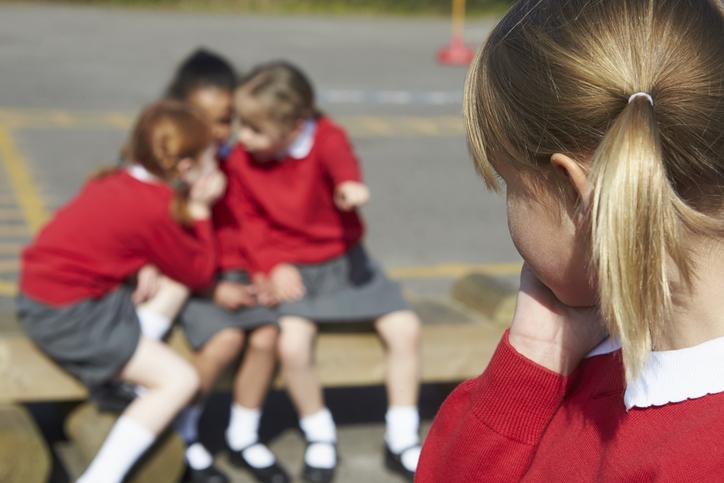
Changes in friendships can also point toward bullying concerns. Some children stop mentioning classmates they once considered close friends, while others begin spending more time alone.
Parents may notice birthday invitations disappearing or social plans becoming increasingly rare. In some cases, children may even ask to move schools or classes without fully explaining why.
Experts say social exclusion is one of the most emotionally damaging forms of bullying because it can leave children feeling isolated and rejected over long periods of time.
Newcastle family counselors say many children feel embarrassed discussing friendship breakdowns because they fear adults may minimize the issue or misunderstand how serious social exclusion feels to young people.
Online Bullying Is Becoming Harder for Parents to Detect.
Cyberbullying remains one of the fastest-growing concerns for families throughout the UK, including Newcastle. Unlike traditional bullying, online harassment can happen at any hour and may follow children into their homes.
Parents are being urged to watch for signs such as children suddenly hiding screens, becoming distressed after using phones, or deleting social media accounts unexpectedly.
Some children also become reluctant to post online or appear anxious whenever notifications appear on their devices. Experts say online bullying often feels relentless because children believe there is no safe space away from peer judgment.
Several schools across Newcastle have introduced digital safety education programs in response to growing concerns around online harassment and social pressure among students.
Academic Performance Can Be Affected Quickly.
Bullying can have a direct impact on concentration, confidence, and classroom participation. Teachers across Newcastle say children struggling emotionally often become distracted, disengaged, or reluctant to contribute during lessons.
Parents may notice homework being avoided more frequently or grades falling unexpectedly despite no obvious learning difficulties.
Mental health professionals say emotional stress can significantly affect memory, sleep, and focus, all of which influence academic performance. Some children also stop participating because they fear attracting negative attention from peers.
Experts advise parents to look at emotional wellbeing alongside academic concerns rather than treating falling grades as purely educational problems.
Many Children Stay Silent About Bullying.
One of the biggest challenges for families is that children often deliberately hide bullying from adults. Some fear retaliation from classmates while others worry parents will become angry or escalate the situation publicly.
Older children especially may believe adults will not understand social dynamics within schools or online platforms.
Child psychologists say children are far more likely to speak honestly when parents remain calm and avoid reacting impulsively.
Statements like “You need to stand up for yourself” or “I’m going to confront the school immediately” can sometimes increase anxiety and discourage future conversations.
Instead, experts recommend creating an environment where children feel safe discussing problems gradually and honestly.
Starting the Conversation the Right Way.
Parents who suspect bullying are encouraged to approach conversations gently and without pressure.
Open-ended questions such as “You seem quieter after school lately” or “Is something making school difficult at the moment?” often help children open up more naturally than direct questioning.
Listening without interruption is considered especially important. Children may reveal information slowly because they are still processing what has happened or testing whether adults will respond supportively.
Specialists also advise parents to reassure children that bullying is never their fault and that seeking help is a positive step rather than a weakness.
Keeping Records Can Strengthen Discussions With Schools.
Before contacting the school, experts recommend documenting incidents carefully. This may include screenshots of online messages, dates of incidents, photographs of damaged belongings, or notes about behavioral changes.
Having clear information can help schools investigate concerns more effectively and avoid misunderstandings during meetings.
Parents are also advised to encourage children not to retaliate online or engage in arguments that could escalate situations further.
Newcastle education specialists say fact-based discussions tend to produce more productive outcomes than emotionally charged accusations.
Newcastle Schools Encourage Calm Communication.
Teachers and school leaders across the region say parents often achieve better results when they approach schools collaboratively rather than confrontationally.
Most schools already have anti-bullying procedures in place and want concerns reported early before situations worsen. Education professionals say respectful communication helps create trust between families and schools while keeping attention focused on practical solutions.
Parents are encouraged to explain concerns clearly while asking what support measures can be introduced to protect the child involved.
Phrases such as “I’d like us to work together on resolving this positively” can help establish a constructive tone from the beginning.
Avoid Direct Conflict With Other Families.
Experts strongly advise parents against confronting the other child’s family directly without school involvement.
While emotions can understandably run high, these situations often escalate quickly and may create additional stress for children caught in the middle.
Schools are generally better positioned to investigate fairly, monitor behavior, and mediate where appropriate. Newcastle family support workers say the priority should remain protecting the child emotionally rather than assigning blame publicly.
Remaining calm and solution-focused also models healthy conflict resolution for children themselves.
Emotional Recovery May Take Longer Than Expected.
Even after bullying is addressed, emotional effects can continue for weeks or months. Some children experience ongoing anxiety, low confidence, or social withdrawal long after incidents end.
Parents are encouraged to continue checking in regularly while helping children reconnect with positive friendships, hobbies, sports, or activities that rebuild confidence.
Counseling support may also help some children process difficult experiences and develop healthier coping strategies.
Mental health specialists say consistent emotional support from trusted adults is one of the most important factors in helping children recover successfully.
Open Communication Remains the Best Protection.
Family support organizations across Newcastle say strong communication at home remains one of the most effective ways to protect children from prolonged bullying.
Children who feel emotionally safe talking to parents are far more likely to seek help before problems escalate. Regular conversations about friendships, online behavior, and emotional wellbeing can help normalize open communication from an early age.
Schools, parents, and communities all play important roles in reducing bullying and supporting young people when problems arise. Experts say children are far more likely to recover positively when adults respond calmly, thoughtfully, and collaboratively.
Have bullying concerns affected your family or school community in Newcastle?
Local News
The Silent Signs of Bullying Many Newcastle Families Miss
Advertisement





Comments (0)
You must be logged in to post comments.
Don't have an account? Register here
No comments yet. Be the first to share your thoughts!