
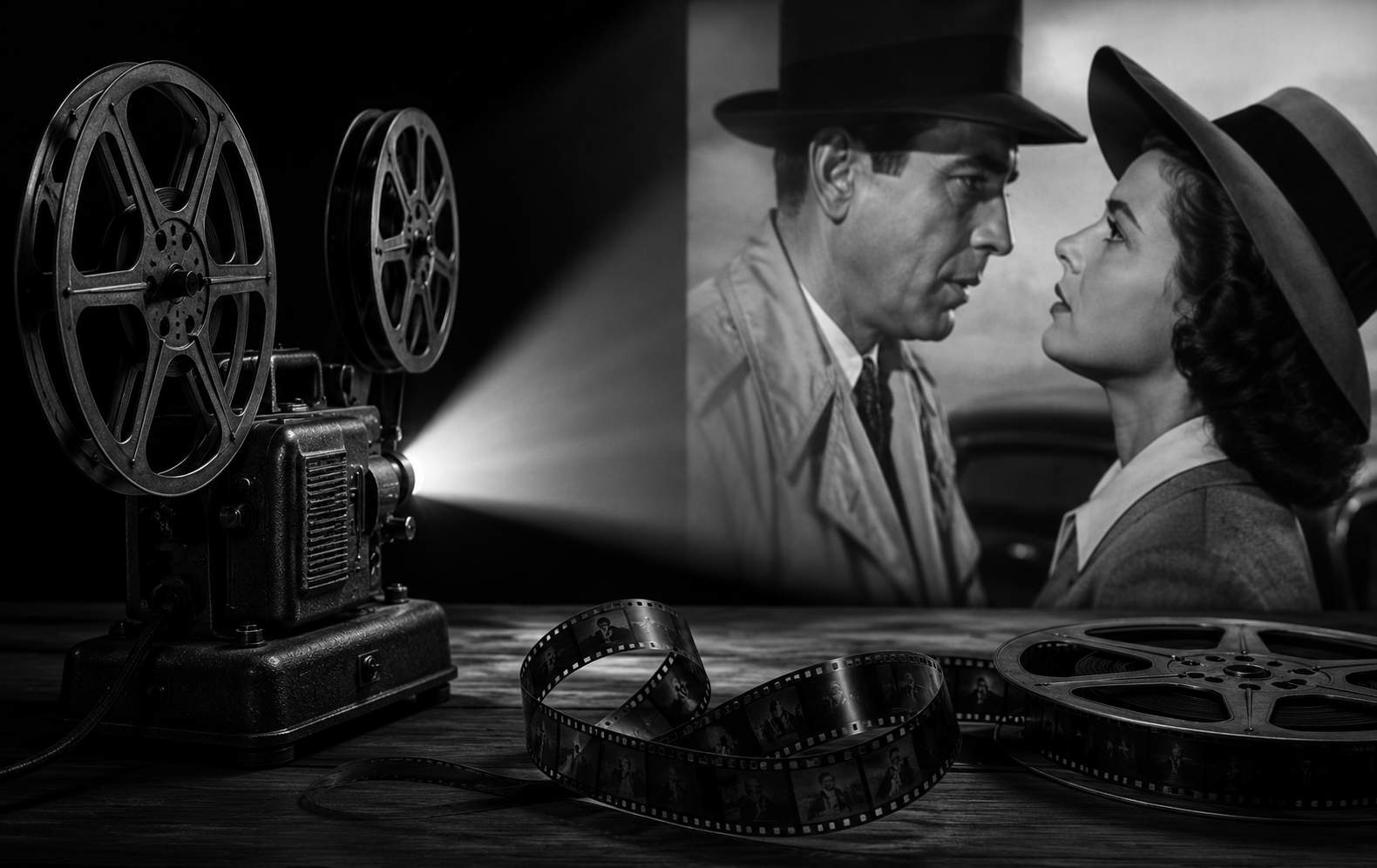
For years, black and white movies were viewed by younger audiences as outdated relics from another era of cinema. Streaming services and modern filmmaking pushed audiences toward colourful blockbusters packed with visual effects, high-definition graphics and fast-paced storytelling. Yet something unexpected has started happening across the film industry. Viewers are once again embracing black and white movies.
From university students discovering Alfred Hitchcock for the first time to younger streaming audiences sharing classic scenes on TikTok and Instagram, vintage cinema has quietly returned to mainstream conversation. Film experts say the trend is being fuelled by nostalgia, social media, streaming accessibility and a growing frustration with modern movie formulas.
Across the UK and internationally, classic black and white films are seeing renewed popularity on streaming platforms, film forums and cinema re-releases. What was once considered old-fashioned is now being viewed as artistic, immersive and refreshingly different from modern cinema.
Why Audiences Are Turning Away From Modern Blockbusters.
One major reason behind the revival of black and white films is audience fatigue with modern blockbuster filmmaking. Many cinema fans believe newer movies rely too heavily on computer-generated imagery, repetitive superhero storylines and predictable scripts.
Black and white films often feel slower, more emotional and more focused on storytelling rather than spectacle. The lack of colour forces viewers to pay greater attention to dialogue, lighting, performances and atmosphere. For many younger viewers raised on fast-moving social media content, older films can feel surprisingly immersive.
Streaming culture has also changed how people discover films. Instead of relying solely on cinema releases, audiences can now instantly access classic movies from every era. Services such as Netflix, Amazon Prime Video, BBC iPlayer and The Criterion Channel have made vintage cinema more accessible than ever before.
Film critics say viewers are searching for authenticity and originality. Black and white films often provide both.
The Aesthetic Appeal of Black and White Cinema.
Many younger audiences are discovering that black and white cinematography creates a unique atmosphere modern films rarely replicate. Without colour distractions, scenes can feel more intimate and emotionally powerful.
Directors from cinema’s golden age relied heavily on shadows, framing and visual composition to tell stories. This style now feels artistic and timeless compared to some modern productions overloaded with visual effects.
Social media has also played a surprising role in reviving black and white cinema. Clips from older movies regularly go viral online because they appear visually striking and different from today’s glossy digital productions. Users often describe classic scenes as “cinematic” or “aesthetic,” particularly on platforms such as TikTok and Instagram Reels.
Fashion trends have contributed as well. Vintage culture has become increasingly popular among younger generations, from vinyl records to retro clothing and analogue photography. Black and white films fit naturally into that nostalgic movement.
Streaming Platforms Have Revived Interest in Classic Movies.
Streaming services have completely transformed how audiences interact with older films. Decades ago, viewers had to wait for television broadcasts or purchase physical DVDs to watch classic cinema. Now, thousands of vintage films are available instantly online.
Film recommendation algorithms have also helped expose younger audiences to black and white classics. A viewer who watches one Alfred Hitchcock film may suddenly receive recommendations for dozens of similar movies from the same era.
Online film communities have added to the trend. Reddit forums, YouTube video essays and Letterboxd reviews constantly encourage users to revisit older cinema. Many younger viewers now treat classic films almost like hidden discoveries rather than outdated entertainment.
The rise of film influencers and movie commentary creators has also introduced vintage cinema to entirely new audiences. Black and white movies are no longer seen as homework assignments for film students. Instead, they are becoming part of mainstream entertainment culture once again.
Black and White Films Often Feel More Emotional.
Many film lovers argue that black and white cinematography creates stronger emotional connections between audiences and characters. Without colour dominating the screen, facial expressions and performances become more important.
Classic actors often relied on subtle acting techniques that modern viewers find compelling. The slower pacing in many older films allows emotional scenes to breathe naturally rather than being interrupted by constant action sequences.
Psychologists have even suggested black and white visuals encourage viewers to focus more deeply on narrative details. Some audiences describe the experience as more calming and immersive compared to modern high-intensity filmmaking.
The simplicity of monochrome visuals can also make films feel timeless. A black and white movie released 70 years ago can still feel emotionally relevant today because it avoids the technological trends that quickly date many modern productions.
Younger Audiences Are Driving the Trend.
Surprisingly, Gen Z viewers are among the biggest contributors to the black and white movie revival. Many younger audiences are actively searching for alternatives to mainstream entertainment and discovering classic cinema through social media clips and online recommendations.
Film schools and university media courses have also helped introduce classic films to younger viewers who later recommend them online. Once audiences discover one classic movie they enjoy, many begin exploring entire filmographies from directors such as Alfred Hitchcock, Orson Welles and Billy Wilder.
Cinema re-releases have become increasingly popular as well. Independent cinemas across the UK frequently host screenings of classic black and white films that attract younger audiences looking for unique movie experiences.
Film experts say younger viewers often appreciate older films because they feel more authentic and less manufactured than many modern productions.
The Top 5 Black and White Movies People Are Watching Again.
1. Psycho - Released in 1960.
Directed by Alfred Hitchcock, “Psycho” remains one of the most influential horror films ever made. The movie follows Marion Crane, a secretary who steals money before ending up at the isolated Bates Motel run by the mysterious Norman Bates.
The film became legendary because of its suspense, shocking twists and iconic shower scene. Modern audiences continue revisiting “Psycho” because it still feels tense and psychologically disturbing decades after release.
Streaming audiences regularly praise the film’s atmosphere and Hitchcock’s ability to create fear without relying on excessive violence or special effects.
2. Casablanca - Released in 1942.
“Casablanca” remains one of Hollywood’s greatest romantic dramas. Starring Humphrey Bogart and Ingrid Bergman, the film tells the story of nightclub owner Rick Blaine, who must choose between love and sacrifice during World War II.
The movie continues attracting new viewers because of its emotional storytelling, memorable dialogue and timeless themes of loyalty and heartbreak.
Many younger viewers discover “Casablanca” through famous quotes such as “Here’s looking at you, kid,” before eventually watching the full film themselves. Critics regularly rank it among the greatest movies ever made.
3. Citizen Kane - Released in 1941.
Often considered one of the most important films in cinema history, “Citizen Kane” follows the rise and fall of newspaper magnate Charles Foster Kane. Directed by Orson Welles, the film became revolutionary for its storytelling techniques and cinematography.
Modern viewers continue watching “Citizen Kane” because many filmmaking innovations used today originated in the movie. Film students and casual audiences alike revisit it to understand how it changed cinema forever.
Despite its age, many audiences are surprised by how modern the storytelling still feels.
4. It’s a Wonderful Life - Released in 1946.
Frank Capra’s “It’s a Wonderful Life” remains one of the world’s most beloved Christmas films. The movie follows George Bailey, a struggling businessman who learns how much his life has positively impacted others after considering ending everything on Christmas Eve.
The emotional themes of hope, family and human connection continue resonating with audiences worldwide. Many viewers revisit the film annually during the holiday season.
Younger audiences often discover the movie through family traditions before developing their own appreciation for its emotional storytelling and heartfelt performances.
5. The Lighthouse - Released in 2019.
Unlike the other films on this list, “The Lighthouse” proves black and white cinema is not limited to classic Hollywood. Directed by Robert Eggers and starring Willem Dafoe and Robert Pattinson, the psychological thriller follows two lighthouse keepers slowly descending into madness.
The film intentionally used black and white cinematography to create an unsettling and claustrophobic atmosphere. Younger audiences embraced the movie because it felt visually unique compared to modern horror films.
“The Lighthouse” demonstrated that black and white filmmaking can still feel fresh, artistic and commercially successful in the modern era.
Why Black and White Movies Still Matter Today.
Classic cinema continues influencing nearly every aspect of modern filmmaking. Directors still study older movies to learn about lighting, pacing, composition and storytelling techniques that remain effective decades later.
Audiences are increasingly recognising that older films often explored complex themes without relying on expensive visual effects or franchise storytelling. Many black and white movies feel deeply personal compared to today’s large-scale studio productions.
The emotional simplicity of older films also appeals to viewers overwhelmed by modern digital culture. Watching a black and white movie can feel slower, calmer and more reflective than consuming constant online content.
Film historians believe the current resurgence is not simply a temporary nostalgia trend. Instead, it reflects a broader cultural shift toward appreciating timeless storytelling and artistic craftsmanship.
The Future of Black and White Cinema.
The growing popularity of classic cinema could influence future filmmaking trends. Some modern directors have already experimented with black and white cinematography to create distinctive visual identities.
Streaming platforms are also investing more heavily in restoring older films for high-definition viewing, making classic cinema more accessible than ever before. Independent cinemas continue hosting retro screenings that attract large crowds, particularly among younger audiences searching for different entertainment experiences.
Black and white films may never dominate mainstream box offices again, but they no longer belong solely to film history. Instead, they are becoming part of a wider cultural rediscovery happening across music, fashion and entertainment.
For many viewers, these movies offer something modern cinema sometimes struggles to deliver - simplicity, atmosphere and unforgettable storytelling.
Have you recently started watching black and white movies again? Share your favourite classic films in the comments and tell us which vintage movie surprised you the most.
Entertainment News
The Vintage Film Revival Nobody Saw Coming
Advertisement

Comments (0)
You must be logged in to post comments.
Don't have an account? Register here
No comments yet. Be the first to share your thoughts!