
Ask someone outside the North East what the weather is like in Newcastle and many will probably picture constant rain, grey skies and windy days. The reality is often very different.
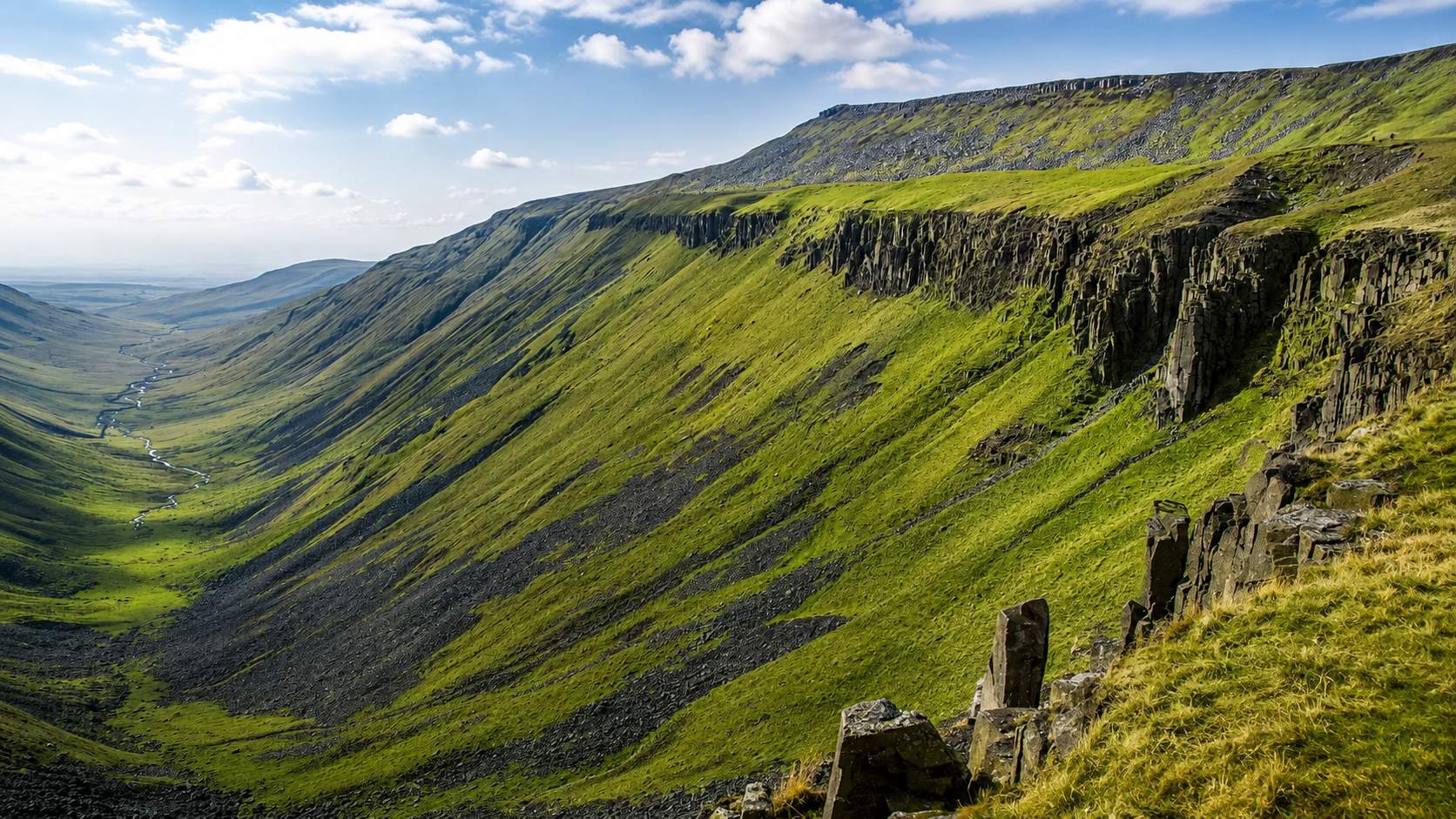
While the North East certainly experiences its fair share of rain, Newcastle is actually one of the drier major cities in England. The reason lies around 50 miles to the west, where the Pennines act as a giant natural barrier that changes the weather before it reaches Tyneside.
Meteorologists call this the "rain shadow" effect, and it helps explain why the North East often escapes the heavy rainfall that regularly drenches Cumbria, Lancashire and other western parts of Britain.
How Does A Rain Shadow Work?.
The science behind it is surprisingly simple.
Most of the UK's weather arrives from the Atlantic Ocean on prevailing south westerly and westerly winds carrying large amounts of moisture. As this moist air reaches the Pennines, it is forced to rise over the hills.
As the air climbs, it cools. Cooler air cannot hold as much water vapour, so clouds form and rain begins to fall on the western slopes of the Pennines.
Once the air crosses the highest ground and starts descending towards County Durham, Tyne and Wear and Northumberland, it becomes warmer again. Warmer air can hold more moisture, meaning fewer clouds develop and much less rain falls.
That creates the "rain shadow", leaving much of the North East noticeably drier than areas immediately to the west.
The Numbers Show A Big Difference.
The contrast in rainfall is remarkable.
According to the Met Office, the highest parts of the Pennines receive more than 1,500 millimetres of rain each year. By comparison, parts of the Northumbrian coast and Teesside receive less than 600 millimetres annually, making them among the driest areas in the UK outside eastern England.
To put that into perspective, some locations in the western Scottish Highlands receive more than 4,000 millimetres of rainfall each year, while western Cumbria regularly records well over 3,000 millimetres because moist Atlantic air continues rising over mountainous terrain.
Those differences occur over surprisingly short distances, highlighting just how important geography is in shaping Britain's climate.
Why Newcastle Often Misses Heavy Rain.
Anyone living in Newcastle has probably experienced watching weather radar predict heavy rain, only for the showers to weaken before arriving.
The Pennines are one reason why.
Many Atlantic weather fronts lose a significant amount of their moisture before reaching eastern England. While rain certainly still reaches Newcastle, it is often lighter and shorter-lived than in western counties.
The North Sea also influences local weather. During spring and early summer it can bring cooler air inland, creating cloudy conditions without producing significant rainfall.
Together, these influences give Newcastle a climate that often surprises visitors expecting one of Britain's wettest cities.
Dry Does Not Mean Sunny Every Day.
A common misconception is that less rainfall automatically means constant sunshine.
Meteorologists point out that rainfall and cloud cover are not always closely linked. Newcastle can experience overcast days without much precipitation, particularly when easterly winds bring low cloud from the North Sea.
Equally, a single summer thunderstorm can drop a month's worth of rain in just a few hours, even during an otherwise dry season.
The rain shadow reduces average annual rainfall, but it does not eliminate the possibility of dramatic weather when atmospheric conditions are right.
Why It Matters Beyond The Weather.
The Pennines' rain shadow affects much more than weekend forecasts.
Lower rainfall influences agriculture, gardening, reservoir management and local ecosystems. During prolonged dry spells, areas across Newcastle and the wider North East can see rivers fall, grass turn brown and gardens require more watering than people might expect.
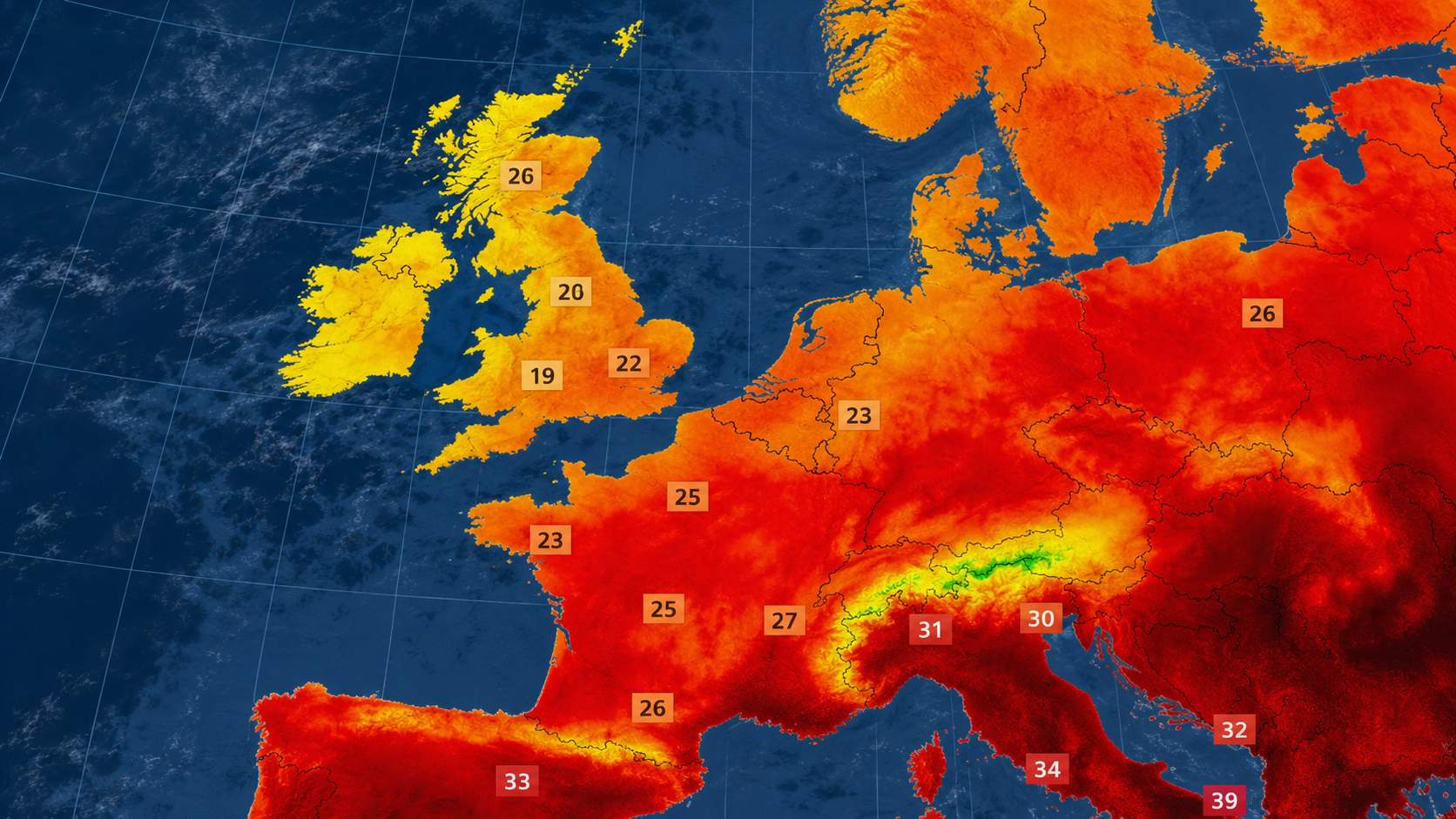
This year's unusually dry summer has highlighted those differences once again, with eastern and north-eastern England recording well below average seasonal rainfall compared with normal levels by mid-July.
Understanding the rain shadow also helps explain why weather warnings can vary dramatically across northern England. While western regions may face flood alerts, Newcastle can remain completely dry under the same broad weather system.
A Natural Weather Barrier That Shapes The North East.
The Pennines have quietly shaped life across northern England for thousands of years.
They influence where rain falls, where rivers begin and even how communities experience the changing seasons. For Newcastle residents, the hills provide more than a dramatic backdrop. They help create one of the region's defining weather characteristics.
So the next time heavy rain is forecast across northern England but Newcastle only receives a passing shower, there is a good chance the Pennines deserve much of the credit.
Understanding this remarkable natural phenomenon offers a fascinating reminder that even in a country famous for unpredictable weather, geography still has the final say.
Join the discussion below.
Are you enjoying Newcastle's hotter weather?
Local News
The Weather Phenomenon Behind The North East Lack Of Rain
Advertisement




Comments (0)
You must be logged in to post comments.
Don't have an account? Register here
No comments yet. Be the first to share your thoughts!