
Thousands of people travel across Newcastle and the wider North East every day, whether commuting to work, visiting family or heading to the coast. While the vast majority of journeys end safely, several major routes across the region continue to record significant numbers of collisions involving drivers, cyclists and pedestrians.
Road safety experts say the biggest dangers are not always caused by one particular stretch of road. Instead, heavy traffic, changing speed limits, busy junctions and driver behaviour all contribute to increased risks. Official Department for Transport data also shows that roads carrying the highest volumes of traffic often experience the largest number of reported injury collisions.
The A1 around Newcastle remains one of the busiest.
The A1 is one of the most important transport routes in the North East, connecting Newcastle with Gateshead, Northumberland and County Durham. It carries huge volumes of commuter traffic alongside heavy goods vehicles every day.
Sections around Denton Burn, Team Valley and the Metrocentre regularly experience congestion during peak periods. When traffic slows unexpectedly, rear-end collisions become more likely, while high-speed sections increase the severity of crashes when incidents do occur.
The road has also seen several high-profile incidents in recent years, including major multi-vehicle collisions that caused lengthy closures and significant disruption across the region.
The A19 combines high speeds with heavy traffic.
The A19 is another key North East route that regularly features in discussions around road safety. Linking Northumberland, Tyneside, Teesside and North Yorkshire, the road carries tens of thousands of vehicles every day.
Busy junctions around Silverlink, Tyne Tunnel approaches and Testo's often experience congestion, particularly during rush hour. Although much of the road is dual carriageway, changing traffic conditions can quickly create dangerous situations for motorists.
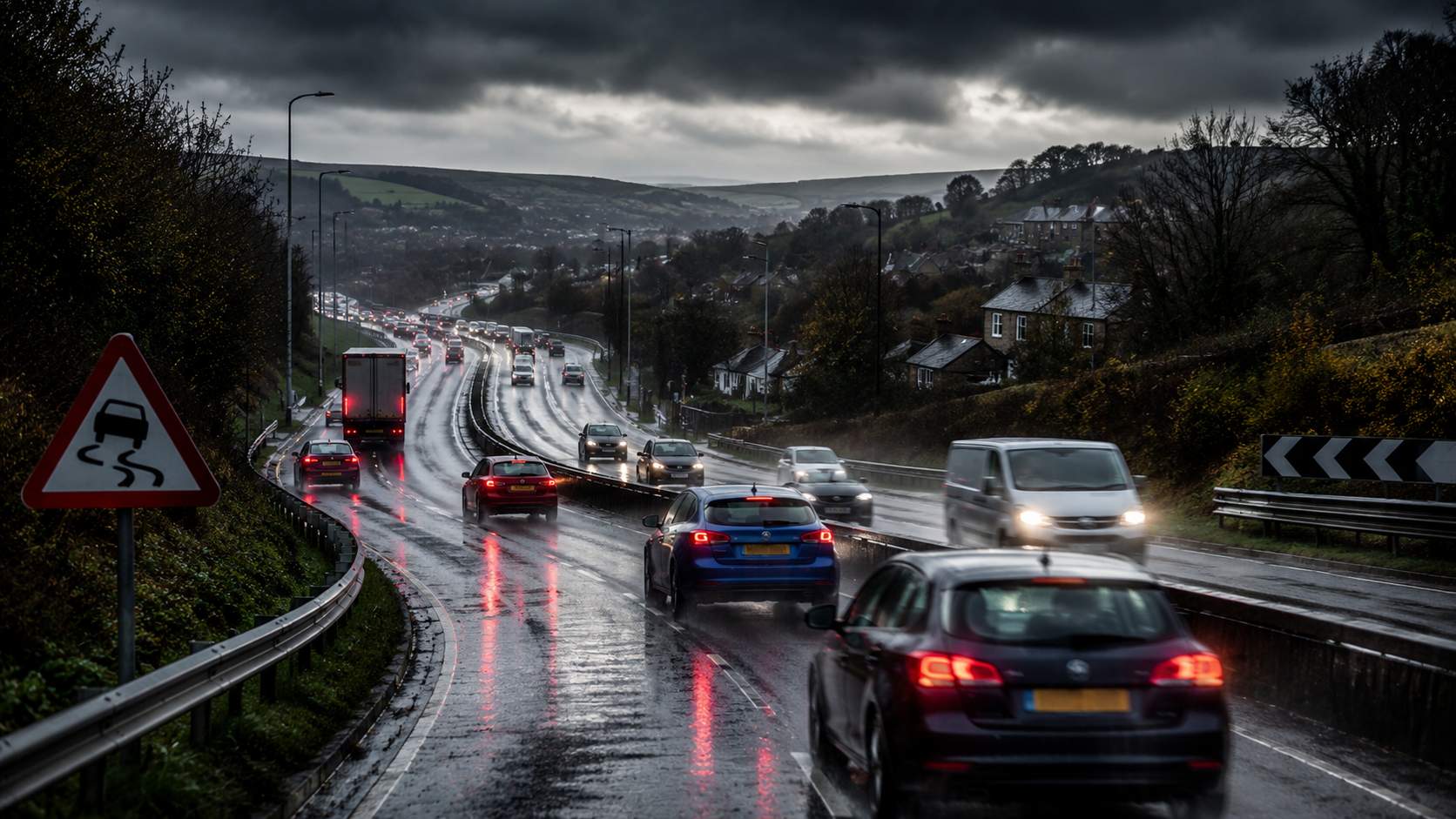
Road safety specialists frequently highlight that high-speed dual carriageways leave less room for driver error, particularly during wet weather or periods of poor visibility.
The A69 presents different challenges.
Unlike the A1 and A19, much of the A69 west of Newcastle becomes single carriageway.
The route towards Hexham and Cumbria includes bends, overtaking opportunities and changing speed limits, creating additional hazards for motorists unfamiliar with the road.
Previous safety reports recorded dozens of collisions on sections of the A69 in a single year, with campaigners continuing to call for further improvements to reduce overtaking risks.
Urban roads create risks for pedestrians and cyclists.
While major roads attract most attention, many serious incidents actually happen within towns and city centres.
Busy routes across Newcastle including the Coast Road, Shields Road, Westgate Road, Scotswood Road and sections around the city centre regularly see heavy interaction between vehicles, buses, cyclists and pedestrians.
Junctions, roundabouts and crossings often become accident hotspots because several different road users are sharing limited space at the same time. Lower speed limits help reduce the severity of crashes, but they cannot eliminate them completely.
Cyclists remain particularly vulnerable because they have little physical protection if involved in a collision with a vehicle. Pedestrians crossing busy junctions also face increased risks, especially during darker winter evenings.
What the latest statistics reveal.
According to the latest Department for Transport figures, police-recorded road casualty data continues to show that urban roads account for a significant proportion of reported injury collisions across Great Britain. A roads also consistently record large numbers of serious crashes because they carry higher traffic volumes than smaller local roads.
Separate analysis by road safety charity Brake found that almost 1,000 people were killed or seriously injured on North East roads during 2022. Although some local authority areas saw improvements, the figures demonstrate that serious road collisions remain a major concern across the region.
Across Great Britain, around five people lose their lives on the roads every day on average, while dozens more suffer life-changing injuries.
Why these roads continue to see collisions.
Experts say several common factors repeatedly appear in collision investigations.
Driver distraction remains one of the biggest causes, whether from mobile phones, in-car technology or loss of concentration.
Speed also plays a major role. Even when motorists remain within the legal limit, travelling too quickly for weather or traffic conditions can significantly increase stopping distances.
Poor weather creates additional hazards across the North East, particularly during winter when heavy rain, fog, snow and ice reduce grip and visibility.
Fatigue is another issue, especially for drivers travelling long distances along the A1 and A19.
Staying safer on North East roads.
Road safety organisations continue encouraging drivers to leave greater stopping distances, slow down during poor weather and remain alert around cyclists and pedestrians.
Cyclists are advised to use bright clothing, working lights and clear hand signals, while pedestrians should always use designated crossings wherever possible.
Many of the region's busiest roads carry enormous volumes of traffic every day, meaning patience and careful observation remain among the most effective ways to reduce collision risks.
With traffic levels continuing to recover across Newcastle and the wider North East, improving road safety will remain an important priority for councils, emergency services and every road user who shares these routes.
Give us your thoughts below.
What do you think are the most dangerous roads in Newcastle or the North East?
Travel News
These Roads See The Most Serious Accidents In Newcastle & The North East
Advertisement


Comments (0)
You must be logged in to post comments.
Don't have an account? Register here
No comments yet. Be the first to share your thoughts!