
In August 2002, the small town of Soham in Cambridgeshire became the centre of one of the most devastating child murder investigations in British history. The disappearance and murder of ten-year-old best friends Holly Wells and Jessica Chapman shocked the nation, dominated headlines for months, and exposed major failings within the UK’s police intelligence and safeguarding systems.
More than twenty years later, the Soham murders remain one of Britain’s most haunting true crime cases. The horrifying actions of school caretaker Ian Huntley, combined with the betrayal of public trust surrounding the investigation, left scars that still resonate across the country today.
The Disappearance of Holly Wells and Jessica Chapman.
On the evening of August 4, 2002, Holly Wells and Jessica Chapman left Holly’s family home in Soham to buy sweets from a nearby shop. The girls had spent the afternoon together dressing in matching Manchester United football shirts before deciding to walk into town.
The route was short and familiar. Their parents believed they would be gone only a few minutes.
But the girls never returned.
When repeated attempts to contact them failed, panic spread quickly among family members and neighbours. By nightfall, police had launched a major missing persons investigation.
At first, many believed the girls may simply have wandered off or become lost. However, as hours passed with no sightings, investigators began to fear something far more sinister had happened.
Soon, Soham transformed from a quiet market town into the focus of a massive national search operation.
The Search That Captivated Britain.
Over the following days, hundreds of police officers, volunteers, and search teams combed fields, rivers, woodland, and abandoned buildings across Cambridgeshire.
Television bulletins repeatedly showed photographs of Holly and Jessica smiling together in their football shirts. Their faces became instantly recognisable across the UK.
The disappearance triggered enormous public concern, particularly because the girls seemed to vanish without leaving behind any immediate clues.
Helicopters searched from above while divers examined waterways and officers conducted house-to-house inquiries. Thousands of leads flooded in from the public, but investigators initially struggled to identify a clear suspect.
During the search, local school caretaker Ian Huntley appeared on television interviews expressing concern for the missing girls. Calm and soft-spoken, he told reporters he hoped Holly and Jessica would return home safely.
At the time, few suspected that Huntley himself was responsible for the murders.
Ian Huntley Becomes the Prime Suspect.
As investigators worked through witness statements and forensic evidence, attention slowly began turning toward Huntley.
Witnesses reported seeing the girls near the Soham Village College grounds on the night they disappeared - the same location where Huntley worked as a caretaker.
Police also discovered inconsistencies in Huntley’s account of his movements that evening. His behaviour during interviews raised additional suspicions among detectives.
Forensic teams searched Huntley’s home thoroughly. Although efforts had clearly been made to clean parts of the property, investigators uncovered traces of blood and fibres connected to Holly and Jessica.
The evidence became increasingly difficult to explain away.
Behind the scenes, police were also uncovering Huntley’s disturbing history of alleged sexual offences and complaints involving underage girls. Shockingly, many of these previous allegations had not been properly shared between police forces, allowing Huntley to continue working around children.
The revelation would later trigger national outrage.
The Discovery of the Girls’ Bodies.
On August 17, 2002, nearly two weeks after the girls vanished, a devastating discovery was made near an air force base in Lakenheath, Suffolk.
Search teams found the badly decomposed bodies of Holly Wells and Jessica Chapman discarded in a remote ditch.
The condition of the remains made identification difficult and deeply traumatic for investigators involved in the case. Post-mortem examinations later revealed the girls had suffered violent deaths shortly after disappearing.
Although certain details were never publicly disclosed in full, evidence presented during the trial suggested Huntley had attempted to conceal and move the bodies after the murders.
The discovery shattered any remaining hope that Holly and Jessica might still be alive.
Across Britain, tributes poured in as communities mourned the loss of two children whose disappearance had captured the nation’s attention.
The Arrest and Trial of Ian Huntley.
Following the discovery of the bodies, Ian Huntley and his girlfriend, teaching assistant Maxine Carr, were arrested.
Carr initially provided Huntley with a false alibi, telling investigators he had been at home with her during the evening the girls disappeared. Prosecutors later argued she deliberately lied to protect him.
The trial began in 2003 at the Old Bailey and received overwhelming media coverage.
Prosecutors presented a growing body of forensic evidence linking Huntley directly to the murders, including fibres, DNA traces, and witness testimony placing Holly and Jessica near his home shortly before they vanished.
Huntley denied murder, claiming the girls had accidentally died inside his house after one of them suffered a sudden medical emergency. Prosecutors dismissed the explanation as entirely implausible.
The jury ultimately agreed.
In December 2003, Ian Huntley was convicted of the murders of Holly Wells and Jessica Chapman. He received two life sentences and was later told he would serve a minimum of 40 years in prison.
Maxine Carr was convicted of perverting the course of justice for providing Huntley with a false alibi and was sentenced to prison as well.
How the Soham Murders Changed the UK.
The Soham murders exposed serious failures in Britain’s safeguarding and police intelligence systems.
Before the murders, Huntley had faced multiple allegations involving sexual offences, indecent assault, and inappropriate behaviour toward young girls. Yet fragmented police record systems meant vital information was not properly shared between different forces.
As a result, Huntley was able to secure employment at a school despite repeated warning signs.
Public outrage following the case led to major reforms.
The Bichard Inquiry, launched after the trial, examined how Huntley had slipped through the cracks of the system. Its recommendations eventually contributed to improved police information sharing and stronger background checks for individuals working with children.
The tragedy also strengthened safeguarding procedures throughout schools and public institutions across the UK.
The Legacy of the Soham Murders.
Even decades later, the murders of Holly Wells and Jessica Chapman remain among the most heartbreaking crimes in British history.
The image of the two girls smiling together in matching football shirts became permanently embedded in the public consciousness, symbolising innocence destroyed by unimaginable violence.
For many people, the case represents not only the horror of the crime itself but also the catastrophic institutional failures that allowed Ian Huntley access to vulnerable children.
While nothing can undo the pain suffered by the girls’ families, the changes introduced after the Soham murders continue to influence child protection policies across Britain today.
Do you believe the safeguarding reforms introduced after the Soham murders have gone far enough to protect children in the UK?
Crime News
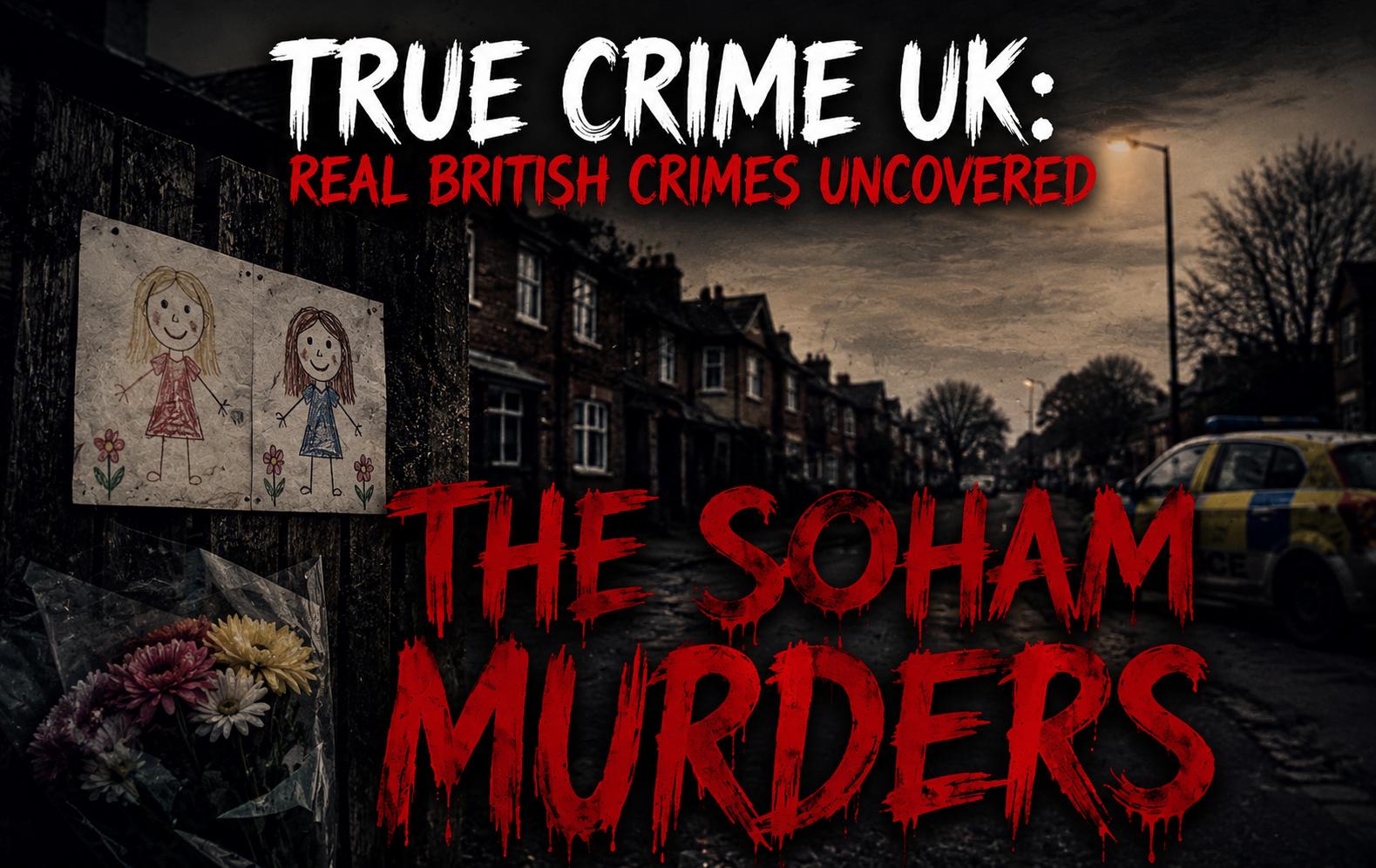
True Crime UK: The Soham Murders
Warning: This article contains discussion of potential abduction, murder, violence, and other themes that some of our readers may find distressing.
Advertisement


Comments (0)
You must be logged in to post comments.
Don't have an account? Register here
No comments yet. Be the first to share your thoughts!