
For more than four decades, the Tyne and Wear Metro has been the backbone of public transport in the region, carrying millions of passengers a year across Tyneside and Wearside. Now the Metro is entering a new era, with a fleet of brand-new trains replacing the originals that have served the region since the system opened, in one of the largest transport investments in the region's history.
A Backbone of the Region.
The Tyne and Wear Metro is one of the region's most important pieces of infrastructure, a light rail system connecting communities across the area and carrying around forty million passengers a year. Since it opened in 1980, it has been the backbone of public transport in the region, linking people to jobs, education, shops and leisure.
For many people across the region, the Metro is an essential part of daily life, a reliable way to get around without a car. Its importance to the region, both economic and social, is hard to overstate.
A New Fleet.
The Metro is now undergoing a transformation, with the arrival of a fleet of brand-new trains to replace the originals that have served since the system opened. The investment, worth hundreds of millions of pounds, has delivered dozens of new trains, the largest and most complex project in the system's history.
The new trains began entering service and have been rolling out steadily, with the goal of the entire timetable being operated by the new fleet. The original trains, dating from the early nineteen-eighties, are being retired after more than four decades of service.
Modern and Accessible.
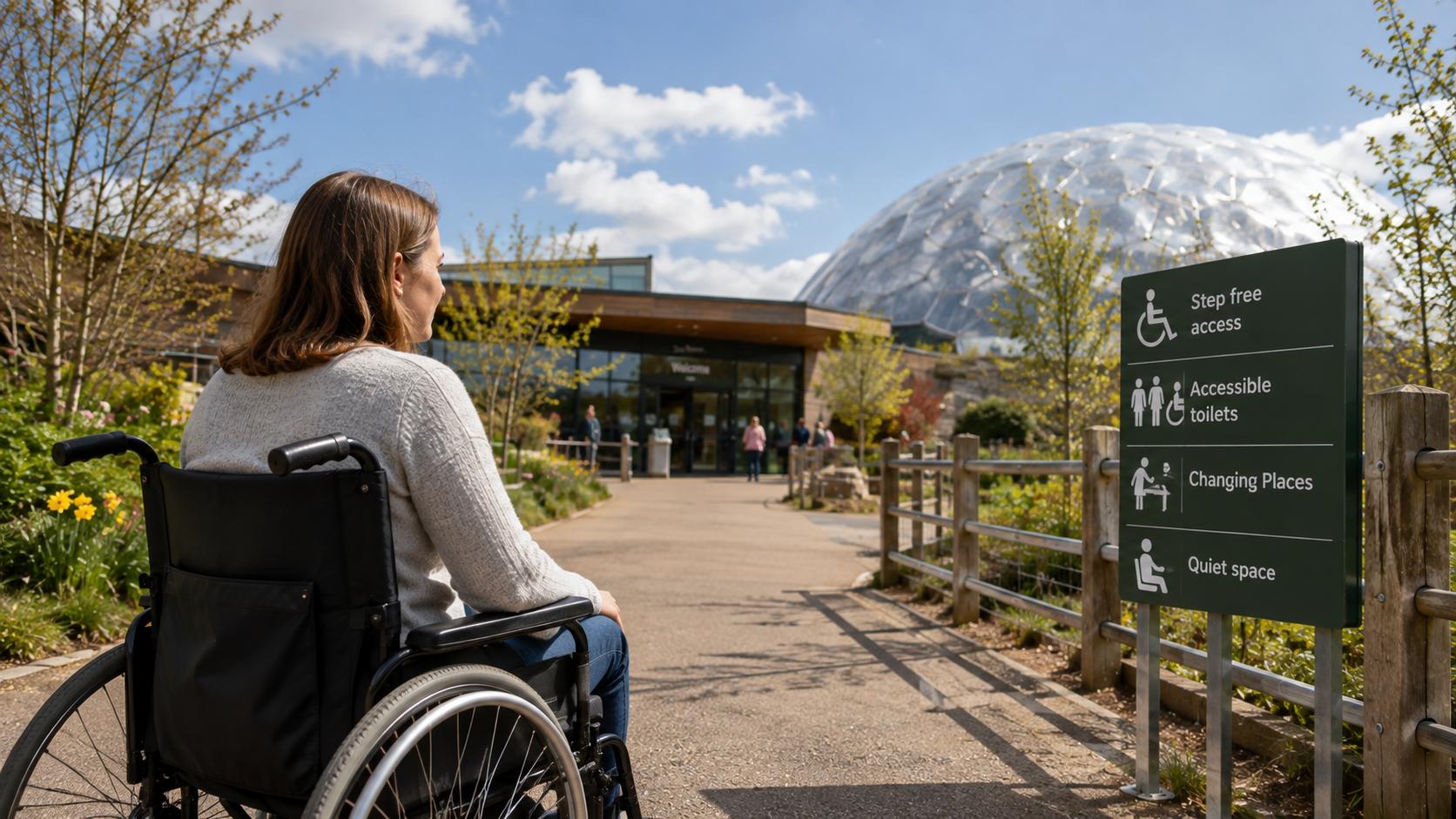
The new trains offer a host of modern features designed to improve the experience for passengers. They include air conditioning, charging points, and improved accessibility, with an automatic sliding step at every door making the trains far easier to use for those with mobility needs.
For the many passengers who use wheelchairs, and others who have found the old trains difficult to access, these improvements are a significant step forward. The new trains are designed to make the Metro a more comfortable, reliable and accessible system for everyone.
Greener Travel.
The new trains are also designed with sustainability in mind, reflecting the wider drive towards greener transport. With energy-efficient designs, the recovery of braking energy, and on-board energy storage, the trains are intended to reduce energy consumption and support the region's environmental goals.
The on-board energy storage also opens up the possibility of extending the network beyond the existing electrified lines in future. Greener, more efficient public transport is an important part of the region's response to the challenge of climate change.
An Economic Asset.
Beyond the immediate benefits to passengers, the Metro is a significant economic asset for the region. Good public transport connects people to jobs and opportunities, supports the vitality of town and city centres, and reduces congestion and pollution.
A reliable, modern Metro helps the regional economy to function, enabling people to travel to work and businesses to access workers and customers. The investment in the Metro is therefore an investment in the region's economic future as well as its transport.
A Question of Manufacturing.
The renewal of the Metro fleet does raise one striking point, given that the new trains were built abroad, even though the region is home to a major train-manufacturing plant. For a region with its own train factory and proud engineering heritage, the building of the trains elsewhere has prompted reflection on how more of such investment might be captured locally in future.
This points to a wider challenge of ensuring that major public investment supports local jobs and industry where possible. It is a question that matters for a region seeking to build on its manufacturing strengths.
Looking Ahead.
The renewal of the Metro fleet is part of a wider ambition to make the Metro a world-class system once again, after years in which the ageing fleet had become increasingly unreliable. Beyond the new trains, there are hopes for further improvements and even extensions to the network, including a long-discussed extension to serve more communities.
Realising these ambitions would further strengthen the Metro's role as the backbone of the region's public transport. The new fleet is a significant step towards a better Metro for the region.
The Journey Ahead.
The arrival of a brand-new fleet marks the start of a new era for the Tyne and Wear Metro, the backbone of public transport in the region, with modern, accessible and greener trains replacing those that have served for over four decades. As one of the largest transport investments in the region's history, it represents a significant commitment to the region's public transport.
For the millions who rely on the Metro, and for the regional economy it supports, the new trains promise a more comfortable, reliable and accessible journey. The Metro's new era is a journey worth taking, for the region and its people.
Connecting Communities.
The renewal of the Metro fleet is a reminder of the vital role that public transport plays in connecting communities and enabling people to participate fully in the economic and social life of the region. For many people, particularly those who do not have access to a car, public transport is essential for getting to work, to education, to shops, to healthcare and to leisure, and the quality and reliability of that transport can have a profound effect on their opportunities and quality of life.
A good public transport system opens up opportunities, connecting people to jobs and services across a wide area, while a poor one can leave people isolated and cut off from opportunity. This is why investment in public transport, including the Metro but also the region's buses and other services, matters so much, particularly for those who depend on it most.
It is also why the reliability of the Metro, which had suffered as the old fleet aged, matters so much, for an unreliable service can make it difficult for people to get to work or to keep appointments, with real consequences for their lives. The new fleet, with its promise of greater reliability as well as comfort and accessibility, should help to address this, making the Metro a service that people can depend on.
Beyond the immediate benefits to passengers, a good public transport system supports the wider economy and helps to reduce the congestion and pollution associated with car travel, with benefits for everyone. For the North East, a modern, reliable and accessible Metro, connecting communities across the region, is a valuable asset, and its renewal is an investment in the connectivity on which the region depends.
Ensuring that public transport serves all the region's communities well is an important part of building a fairer and more prosperous region.
Over to you.
The Tyne and Wear Metro, which carries 40 million passengers a year, is getting a new fleet in one of the region's largest-ever transport investments.
How important is the Metro to your daily life?
Travel News
On the Right Track: The Metro's New Era
The Tyne and Wear Metro, which carries 40 million passengers a year, is getting a brand-new fleet in a major investment. We look at the Metro's new era.
Advertisement



Comments (0)
You must be logged in to post comments.
Don't have an account? Register here
No comments yet. Be the first to share your thoughts!