
Newcastle has a Lord Mayor, a Sheriff, a council leader and a North East Mayor. Four titles, four different jobs, and a great deal of understandable public confusion about which of them is in charge of anything.
The short version is that only two of them run things, and the Lord Mayor is not one of them.
That does not make the role empty. It makes it something else entirely.
The civic head, not the political head.
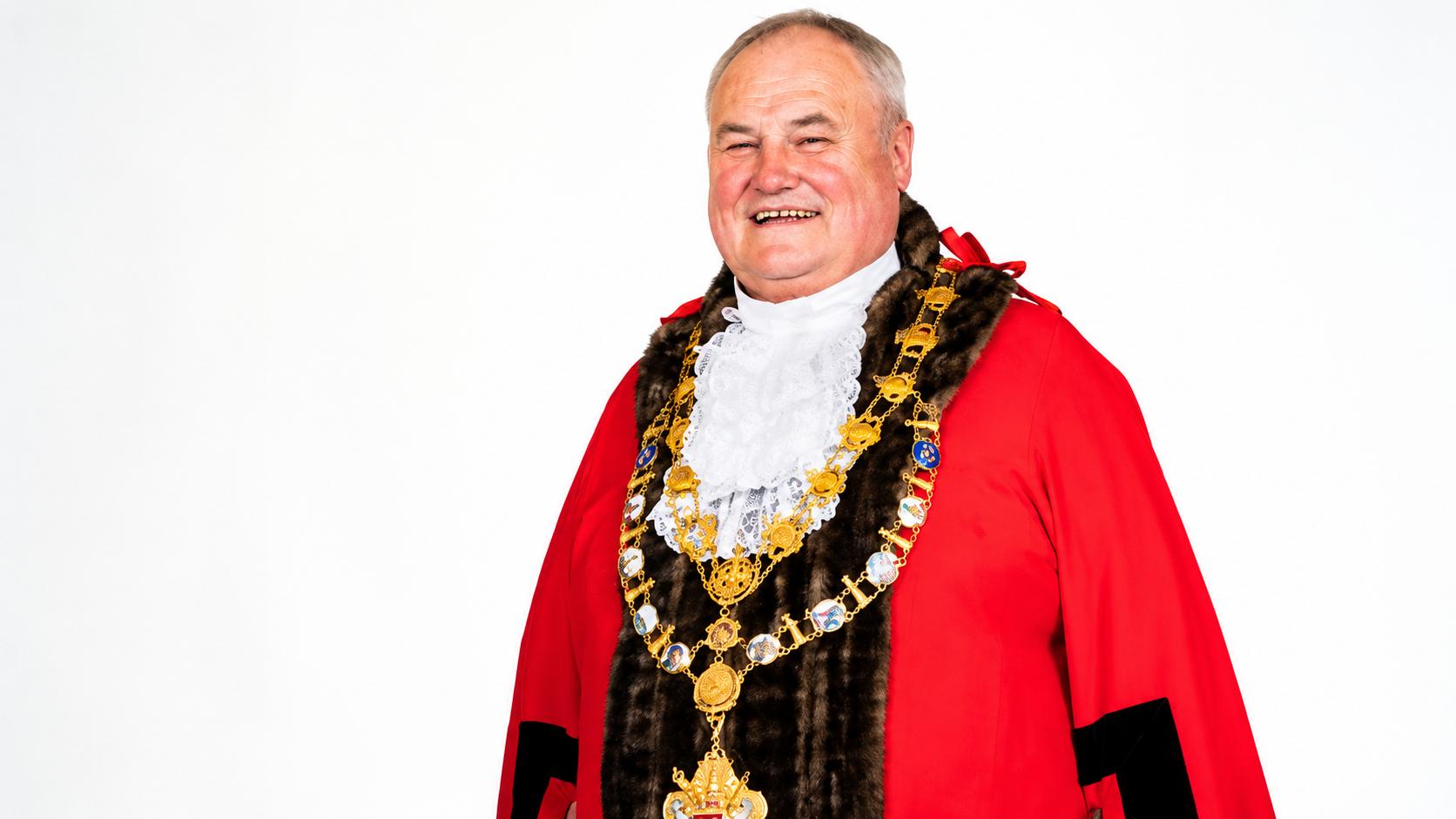
The Lord Mayor of Newcastle is the city's first citizen and civic head. The role is ceremonial and, crucially, non-partisan for its duration.
A Lord Mayor is a serving councillor, elected to the office by fellow councillors, normally for a single year. On taking office they are expected to set party politics aside and represent the whole city rather than one side of the chamber.
The political leadership of the council sits with the leader and cabinet, who make the decisions about budgets, services and policy. The Lord Mayor does not.
The North East Mayor is a different job again, elected directly across the whole region with control over transport, skills and investment funding, and has no authority over Newcastle's civic office.
Chairing the council is the constitutional bit.
The most substantive part of the role is presiding over full council meetings. The Lord Mayor chairs proceedings, rules on points of order, keeps debate within the rules and decides when a member has gone too far.
Doing that well in a politically divided chamber requires genuine impartiality, and a Lord Mayor who is seen to favour their own party loses the authority the role depends on.
The office also carries a casting vote in the event of a tie, which is rarely used and, when it is, tends to be memorable.
The ceremonial diary is enormous.
The visible part of the job is a relentless schedule of engagements. Charity events, school visits, awards evenings, faith festivals, remembrance ceremonies, citizenship ceremonies, the opening of buildings, the welcoming of visiting dignitaries and civic delegations.
A Lord Mayor may attend hundreds of engagements in a year, many of them small, local and unreported, and many of them for organisations that would never otherwise receive that kind of recognition.
That is arguably the real value of the office. A voluntary group that has run a lunch club for thirty years gets the chains of office, the photographs and a moment of being taken seriously by the city.
Each Lord Mayor typically nominates charities to support during their term, and the fundraising attached to the year can be considerable.
The Sheriff supports the role.
Newcastle is one of relatively few English cities to retain the office of Sheriff, which is now a civic role supporting the Lord Mayor and deputising at engagements.
Historically the Sheriff's function was judicial and administrative, connected with the courts and the enforcement of writs. What survives is ceremonial, and the office is generally held by a councillor expected to take the Lord Mayor's chair in a subsequent year.
The regalia and the Mansion House.
The city holds a substantial collection of civic regalia, including chains, maces and plate accumulated over centuries, which is used on formal occasions and represents a genuine piece of Newcastle's heritage.
The Mansion House serves as the civic residence and the venue for official hospitality, and is used for receptions, civic dinners and the entertainment of visiting delegations.
All of this attracts periodic criticism as an anachronism, particularly when council budgets are under strain, and that debate is legitimate.
Is it worth keeping?
The case against is straightforward. It costs money, it has no executive power, and a council cutting services can be accused of misplaced priorities.
The case for is less obvious but not weak. Civic recognition costs relatively little, reaches parts of the city that political leadership rarely touches, and provides a neutral figure who can represent Newcastle at moments when partisan politics would be inappropriate.
Remembrance, civic funerals, disasters, national occasions and the welcoming of new citizens all benefit from someone who speaks for the city rather than for a party.
Share your thoughts.
Does the Lord Mayor's office still earn its place, or is it a tradition Newcastle could do without?
Local News
What Newcastle's Lord Mayor Actually Does All Year
Advertisement

Comments (0)
You must be logged in to post comments.
Don't have an account? Register here
No comments yet. Be the first to share your thoughts!