
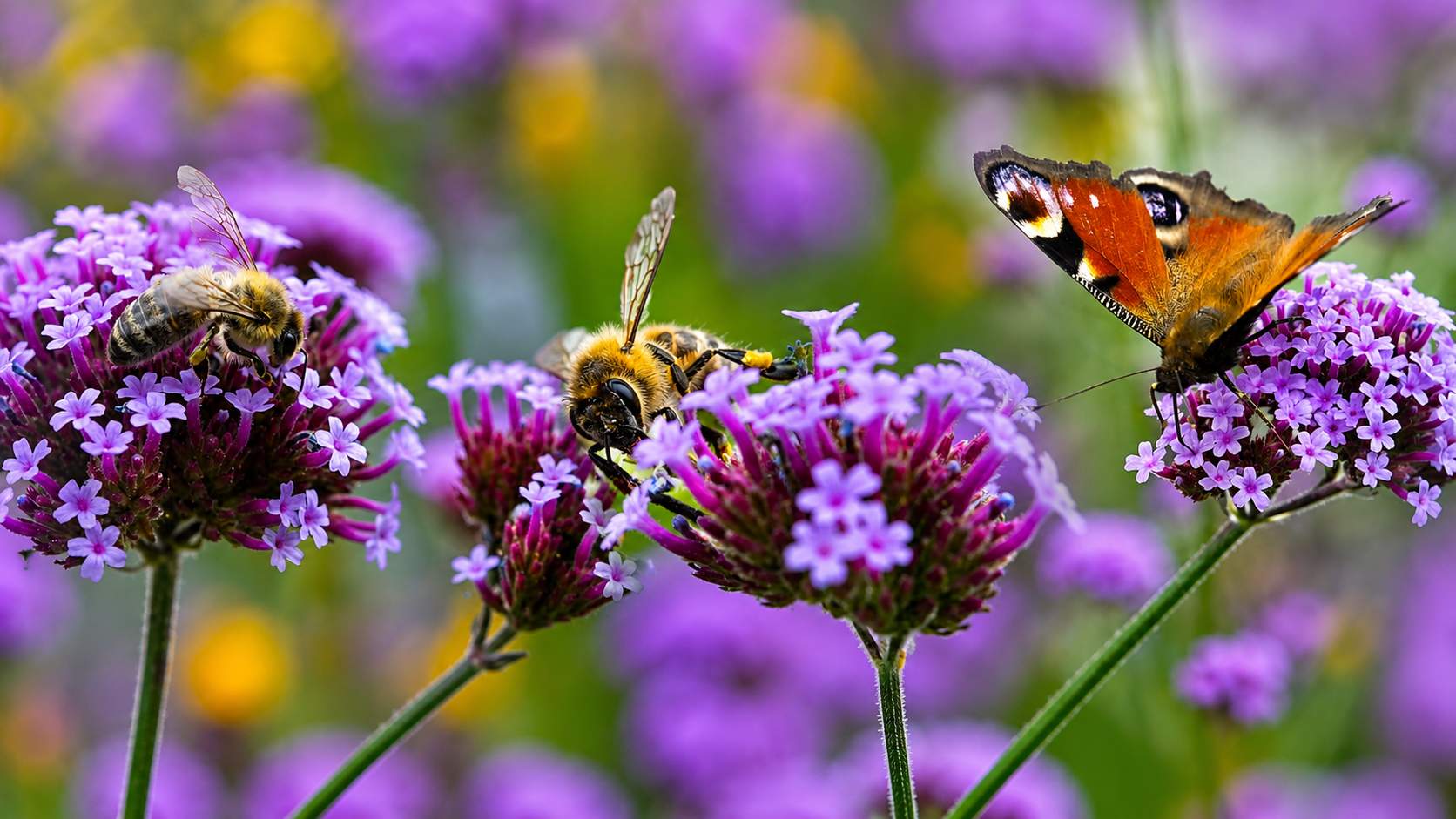
Walk through a park in Newcastle on a warm summer afternoon and you may notice something missing. The familiar buzz of bees and flashes of colourful butterflies are becoming less common than many people remember, and scientists say the trend is part of a much bigger picture unfolding across Britain.
From Jesmond Dene and the Town Moor to gardens across Tyneside, pollinators face increasing pressure from habitat loss, changing weather patterns and modern land management. While some years bring temporary recoveries, conservation experts warn that long-term declines continue to threaten many of the species that play a vital role in Britain's ecosystems.
Why pollinators are so important.
Bees and butterflies do much more than brighten summer gardens. They help pollinate wildflowers, fruit trees and crops, supporting biodiversity and contributing to food production across the UK.
Without healthy pollinator populations, many flowering plants would struggle to reproduce, affecting birds, mammals and insects that rely on them. Scientists often describe pollinators as one of nature's most valuable workforces because they quietly support entire ecosystems every day.
The numbers reveal a worrying picture.
Recent official figures show that butterfly populations continue to face significant long-term challenges. In England, overall butterfly abundance has fallen by around 19 percent since 1976, while habitat specialist butterflies have declined by approximately 25 percent over the same period. Woodland butterflies have experienced particularly steep losses, falling by around 54 percent since 1990.
Across the UK, data collected through the UK Butterfly Monitoring Scheme paints a similar picture. Fifty years of monitoring has produced more than 44 million butterfly records, with 33 of Britain's 59 native butterfly species now showing long-term declines. Researchers say habitat loss, pollution and climate change remain the biggest drivers behind these changes.
Bumblebees are also under pressure. According to the Bumblebee Conservation Trust, 15 of the UK's monitored bumblebee species remain below their long-term average despite favourable weather during 2025. Five species declined even further following what had previously been the worst year on record. Nearly 1,000 volunteers now help monitor bumblebees across more than 1,100 survey routes each year.
What is causing the decline.
Experts point to several factors working together rather than one single cause.
The loss of wildflower meadows has reduced the amount of food available throughout the summer. Housing developments and intensive farming have fragmented habitats, making it harder for insects to move between feeding and breeding areas. Climate change has also created unpredictable seasons, with heavy rainfall, late frosts and prolonged heat affecting both insects and the flowers they depend on.
Pesticides remain another concern, particularly where they reduce insect populations directly or remove the flowering plants pollinators rely upon.
The North East still has reasons for hope.
Despite the challenges, Newcastle and the wider North East remain home to valuable green spaces where wildlife continues to thrive. Places such as Jesmond Dene, Gosforth Nature Reserve, Rising Sun Country Park and Northumberland National Park provide important habitats for pollinating insects.
Many local councils, community groups and volunteers have also begun creating wildflower verges, restoring meadows and reducing mowing in selected areas to encourage biodiversity.
Gardeners can make an equally important contribution by planting native flowers, avoiding unnecessary pesticides, leaving areas of long grass and providing flowering plants from early spring through to autumn.
Small changes can make a lasting difference.
Every bee and butterfly recorded helps scientists understand how wildlife is changing across Britain. Citizen science projects such as the Big Butterfly Count and BeeWalk continue to provide valuable information that shapes conservation work while encouraging people to reconnect with nature.
For Newcastle residents, helping pollinators does not require a nature reserve or a large garden. Even a small patch of flowers on a balcony can provide food for hungry insects. As Britain's pollinators face an uncertain future, thousands of small actions taken by local communities could collectively make one of the biggest differences of all.
Share your thoughts below.
Have you noticed fewer bees or butterflies in your garden or local park around Newcastle?
Local News
Where Have Newcastle's Bees & Butterflies Gone?
Advertisement




Comments (0)
You must be logged in to post comments.
Don't have an account? Register here
No comments yet. Be the first to share your thoughts!