
The voting system used for UK general elections has returned to public debate, prompted by results in which seat numbers have diverged sharply from vote shares.
This article sets out how the current system works, what the recent figures show and what alternatives exist. It does not advocate a position.
How first past the post works.
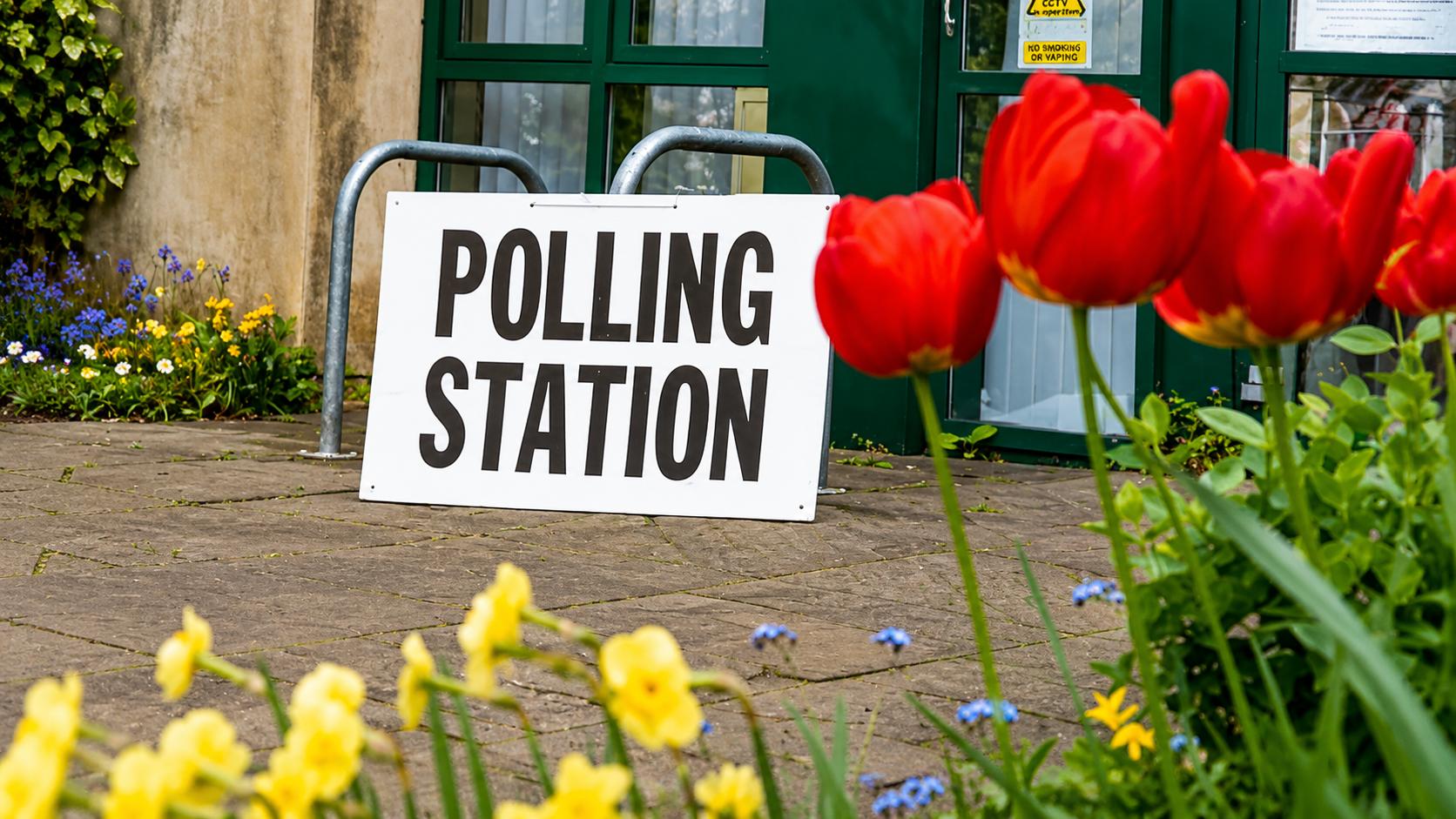
The United Kingdom is divided into constituencies, each electing one MP. The candidate with the most votes in each constituency wins the seat.
A candidate does not need a majority of votes cast, only more than any other single candidate. Votes cast for losing candidates do not contribute to the national result.
The same principle applies in English local elections, though in multi-member wards voters may have several votes and the leading candidates are elected.
The 2024 result renewed the discussion.
At the 2024 general election, Labour won a majority of 172 seats, taking close to two-thirds of the seats in the House of Commons with just over a third of the vote.
The gap between vote share and seat share was the largest recorded at a British general election.
Turnout was also comparatively low, which meant the winning party's share of the total electorate was smaller than its share of votes cast.
Fragmentation increases the effect.
The divergence between votes and seats tends to widen as support spreads across more parties.
Polling averages in July 2026 recorded five parties between roughly 11 and 25 per cent. Where support is distributed in that way, seats can be won on relatively low shares of the vote in a constituency.
Analysis by the Electoral Reform Society, which campaigns for a change to the system, noted in March 2026 that the combined Conservative and Labour vote share had fallen to 37.1 per cent, against 57.4 per cent at the 2024 general election.
Local results illustrate the same effect.
Newcastle's May 2026 city council election provides a local example.
The Green Party received the most votes of any party, with 65,742 votes and 27.01 per cent, and won 24 seats. Reform UK received 58,925 votes and 24.21 per cent, also winning 24 seats.
The Liberal Democrats received fewer votes than either, with 56,238 and 23.10 per cent, but won the most seats with 25. Labour received 43,426 votes, a 17.84 per cent share, and won two seats.
Public opinion has shifted.
Polling published in June 2026 found 43 per cent of respondents supporting a move to a more proportional voting system, against 25 per cent favouring retention of first past the post, with around a quarter unsure.
Asked what a voting system should prioritise, 35 per cent selected accurately reflecting parties' vote shares, while 31 per cent selected producing strong governments able to act quickly.
The same polling indicated that Labour and Green voters were relatively comfortable with the idea of coalition arrangements between those two parties, while attitudes towards a potential Conservative and Reform coalition were more mixed.
There was a referendum in 2011.
A UK-wide referendum was held in May 2011 on replacing first past the post with the alternative vote, under which voters rank candidates and preferences are redistributed until a candidate reaches a majority.
The proposal was rejected, with approximately 68 per cent voting no and 32 per cent voting yes, on a turnout of around 42 per cent.
The alternative vote is not a proportional system. It retains single-member constituencies and does not aim to match seat shares to national vote shares.
Other systems are already used in the UK.
Several different systems operate within the United Kingdom for elections other than to the House of Commons.
The single transferable vote, in which multi-member constituencies elect several representatives from ranked ballots, is used for the Northern Ireland Assembly and for Scottish local elections.
The additional member system, combining constituency seats with regional list seats to bring overall results closer to vote shares, is used for the Scottish Parliament, the Senedd and the London Assembly.
Directly elected mayors in England were previously elected using the supplementary vote, which was changed to first past the post by the Elections Act 2022.
Any change would take time.
Altering the system for general elections would require primary legislation passed by both Houses of Parliament.
Practical consequences would follow, including a likely redrawing of constituency boundaries, since most proportional systems require either multi-member constituencies or additional regional seats.
Previous significant changes to the franchise and to voting arrangements have generally been implemented with a lead time of at least one electoral cycle.
The arguments on each side.
Supporters of the current system argue that it produces clear outcomes, tends to deliver single-party governments capable of acting decisively, and maintains a direct link between a single MP and a defined geographical area.
Supporters of change argue that seat shares should more closely reflect votes cast, that large numbers of votes currently have no effect on the outcome, and that the system produces unpredictable results when support is spread across several parties.
Changing the system used for general elections would require legislation, and previous changes of this kind have been put to a referendum.
Share your thoughts.
Which voting system would you prefer for UK elections?
Political News
Why Electoral Reform Is Back in the Debate
Polling now shows more people favouring a proportional voting system than keeping first past the post. Here is what is driving the discussion.
Advertisement




Comments (0)
You must be logged in to post comments.
Don't have an account? Register here
No comments yet. Be the first to share your thoughts!