
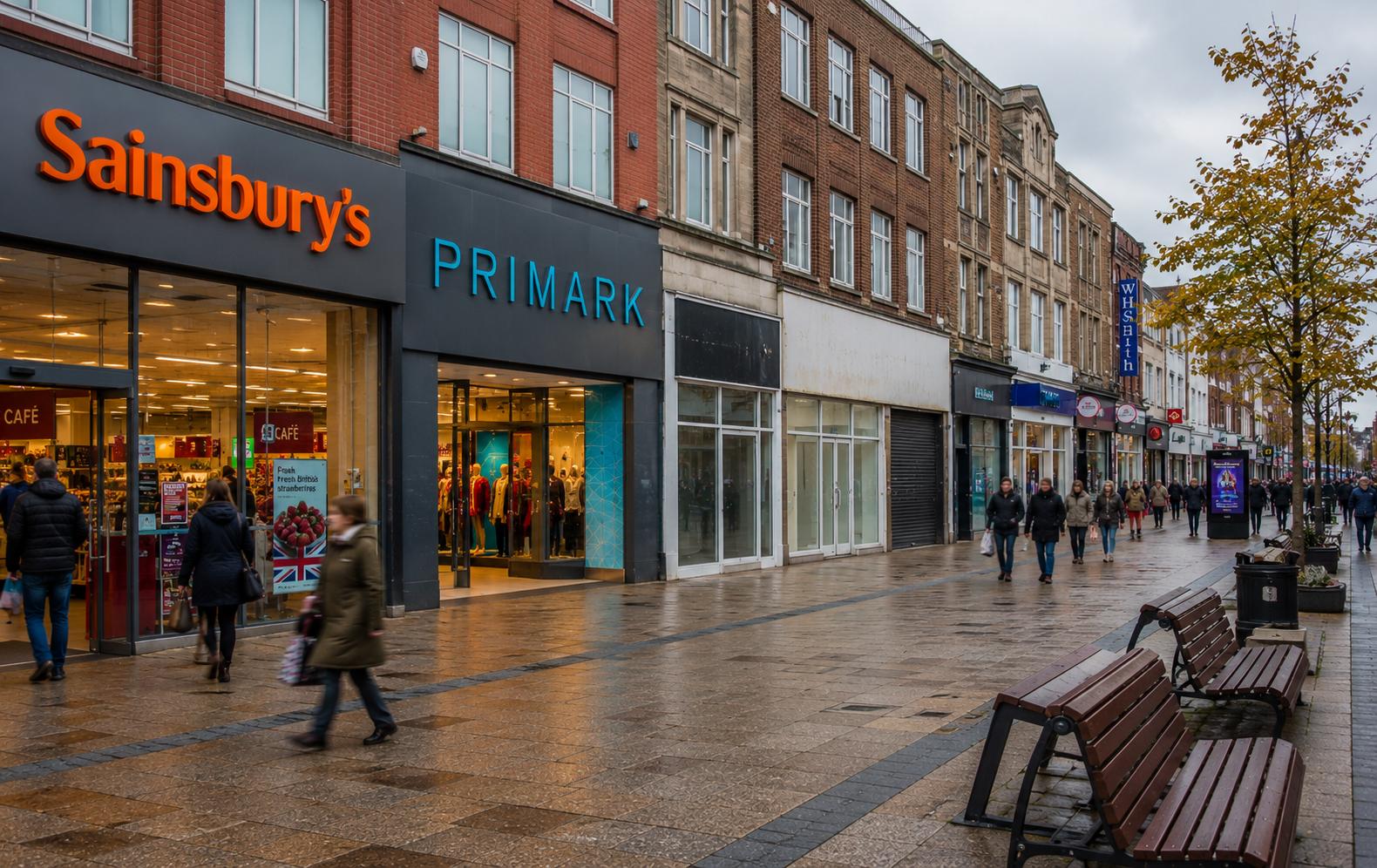
Walk through almost any town or city centre in Britain, including Newcastle, and the changes are impossible to ignore. Empty shop units, closing down signs, and fewer independent businesses are becoming increasingly common across high streets that were once packed with local retailers, family-run cafes, butchers, bakeries, and specialist stores.
For many people, the disappearance of independent shops represents more than just changing shopping habits. It is changing the character of towns and cities themselves.
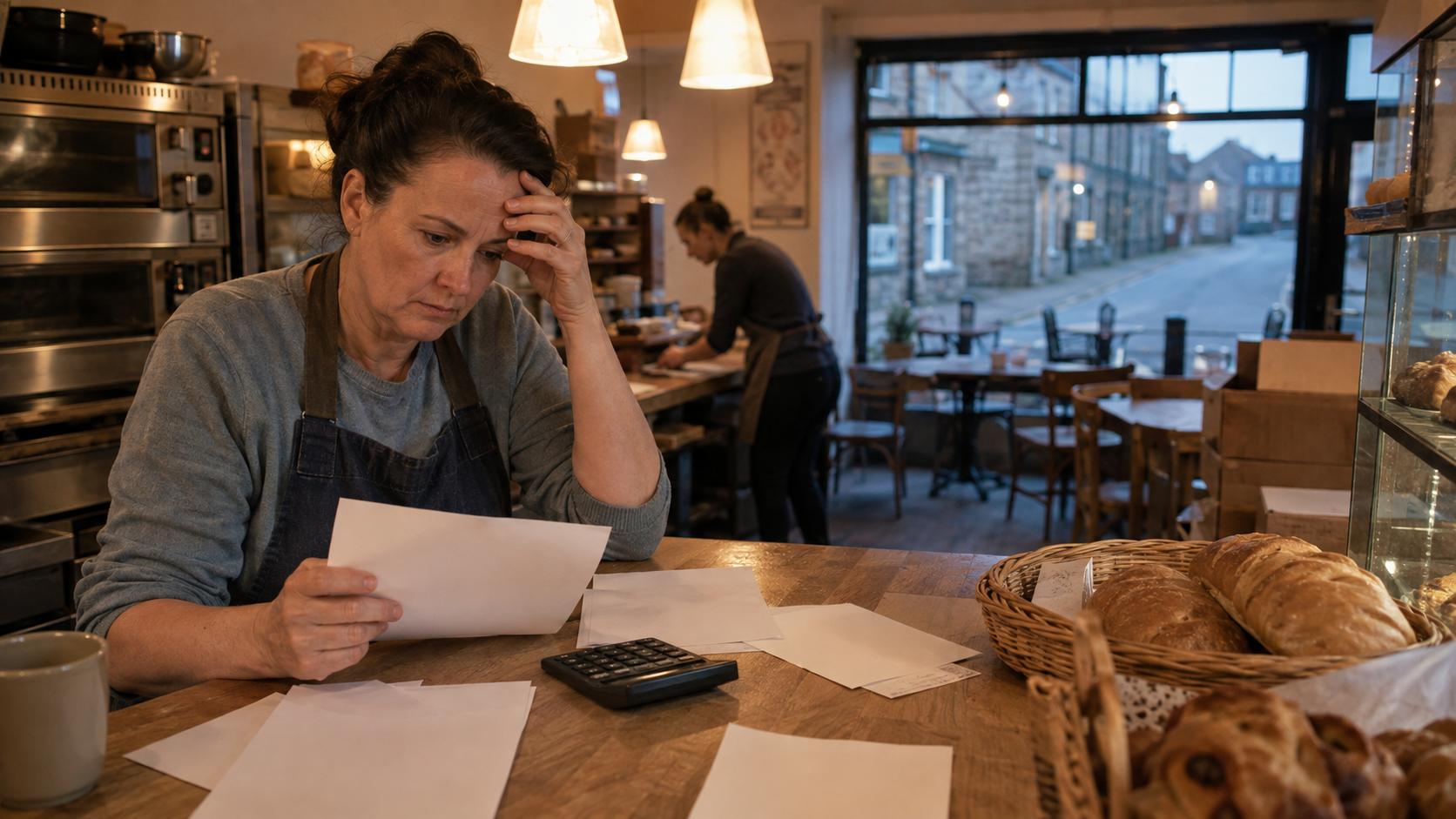
Across the UK, small business owners say they are being squeezed from every direction by rising rent, energy bills, staffing costs, online competition, and reduced footfall. While some independent businesses continue to survive through loyal customers and social media marketing, many others are quietly disappearing.
Rising Costs Are Making Survival Increasingly Difficult.
One of the biggest reasons independent shops are struggling is the sharp increase in operating costs over recent years.
Business owners across the retail sector say energy bills, commercial rent, insurance, stock prices, and wages have all risen significantly since the pandemic and cost of living crisis.
For smaller businesses operating on already tight profit margins, even modest increases in monthly costs can make survival difficult.
Many shop owners also say business rates remain a major burden, particularly compared to large online retailers that do not face the same high street overheads.
Independent retailers often lack the financial backing and economies of scale available to national chains, leaving them far more vulnerable during periods of economic uncertainty.
Online Shopping Continues Changing Consumer Habits.
The growth of online shopping has dramatically reshaped the retail industry over the last decade.
Consumers can now compare prices instantly, receive next-day delivery, and access global brands without leaving home. While convenient for shoppers, many independent businesses say they simply cannot compete with the pricing and logistics offered by major online retailers.
The pandemic accelerated this shift even further, with many people becoming permanently accustomed to buying clothes, electronics, gifts, and household items online.
Some independent retailers successfully adapted by launching websites and social media stores, but others struggled with the cost and technical demands of digital retail.
For traditional shop owners who relied heavily on passing foot traffic, the change has been especially damaging.
Falling Footfall Is Hurting Town And City Centres.
High street footfall remains below pre-pandemic levels in many parts of the UK, particularly outside peak weekends and holiday periods.
With more people working remotely or shopping online, many town centres no longer see the same daily customer numbers they once relied on.
Independent shops are often among the hardest hit because they depend heavily on regular local customers and spontaneous purchases.
Some business owners say fewer people are spending time browsing high streets altogether, especially as rising living costs force households to cut back on non-essential spending.
Hospitality businesses such as cafes and restaurants have also reported reduced customer spending, with many people now visiting town centres less frequently than before.
Younger Consumers Are Spending Differently.
Changing consumer behaviour among younger generations is also reshaping high streets.
Many younger shoppers now prioritise convenience, experiences, and online purchases over traditional retail shopping trips.
Social media platforms like TikTok and Instagram increasingly influence buying decisions, often driving customers towards online brands rather than local independent stores.
At the same time, younger consumers are also spending more money on travel, entertainment, fitness, and dining rather than physical products.
While some independent shops have successfully built strong online communities and social media followings, others have struggled adapting to rapidly changing trends.
Chain Stores And Large Retailers Still Dominate.
Many independent business owners argue that high streets have become increasingly difficult places for smaller retailers to survive because large chains dominate the best locations and attract the majority of customer traffic.
National retailers often have stronger negotiating power with landlords, larger advertising budgets, and the ability to absorb financial losses more easily during difficult trading periods.
Meanwhile, smaller shops frequently face rising rents even in areas where footfall has declined.
Some critics also believe local councils and governments have not done enough to support independent retail businesses during recent economic challenges.
The Emotional Impact On Communities.
For many communities, the disappearance of independent shops is about more than economics.
Local businesses often form part of a neighbourhood’s identity and social fabric. Family-run bakeries, record stores, bookshops, florists, and market stalls often provide character and personal connections that large chains cannot easily replicate.
Older residents especially say they miss the sense of community many high streets once offered.
Independent shop owners also frequently support local charities, sponsor community events, and create personal relationships with customers that larger retailers rarely provide.
As more independent businesses disappear, some residents fear town centres are becoming less unique and increasingly dominated by the same national chains seen everywhere else.
Some Independent Businesses Are Still Thriving.
Despite the challenges, not all independent shops are struggling.
Businesses offering unique products, strong customer experiences, or highly personalised service are often performing better than more traditional retail models.
Speciality coffee shops, artisan bakeries, vintage stores, independent bookshops, and niche lifestyle brands continue attracting loyal customers in many cities.
Some retailers have also successfully combined physical stores with strong online sales and social media marketing.
Experts say independent businesses that adapt quickly, build local communities, and offer experiences rather than simply products are more likely to survive in the modern retail environment.
Calls For More Support For Independent Retailers.
Business groups and local campaigners continue calling for stronger support measures to protect independent high street shops.
Suggested solutions include:
business rate reform
lower commercial rents
increased parking accessibility
grants for small retailers
investment in town centre regeneration
support for local shopping campaigns
Some councils have also introduced initiatives encouraging people to "shop local" in an effort to support struggling businesses and preserve high street diversity.
However, many retailers believe long-term change will require broader economic support and major reforms to how town centres operate.
The Future Of The High Street Remains Uncertain.
While independent shops are unlikely to disappear completely, the traditional high street is clearly undergoing major transformation.
Retail experts believe future town centres may rely less on shopping alone and more on hospitality, leisure, entertainment, wellness, and mixed-use experiences.
For many people though, there remains concern that once independent businesses disappear, they are often gone for good.
And as more empty units appear across British high streets, the debate over how to save local retail businesses is only becoming more urgent.
Have you noticed independent shops disappearing from your local high street? Share your thoughts, favourite local businesses, and experiences in the comments below.
Business News
Why Independent Shops Are Disappearing From UK High Streets as Rising Costs Push Businesses to the Brink.
Advertisement


Comments (0)
You must be logged in to post comments.
Don't have an account? Register here
No comments yet. Be the first to share your thoughts!