
Each year, on either June 20 or June 21, the Summer Solstice marks the longest day and shortest night in the UK. While many people simply enjoy the extra daylight, the event has fascinated humans for thousands of years and remains one of the most significant dates in the astronomical calendar.
For Newcastle and the wider North East, the solstice brings some of the longest daylight hours in England. With sunrise arriving before 4.30am and daylight stretching well beyond 9.30pm, residents enjoy more than 17 hours of daylight, creating ideal conditions for outdoor activities, coastal visits and late evening walks.
The Summer Solstice officially marks the beginning of astronomical summer in the Northern Hemisphere and occurs when the Earth's axis is tilted most directly towards the Sun. Although the date varies slightly from year to year, it usually falls on either June 20 or June 21.
Why Is The Summer Solstice The Longest Day.
The reason behind the longest day is surprisingly simple. The Earth is tilted at an angle of around 23.5 degrees as it travels around the Sun. During the Summer Solstice, the Northern Hemisphere is leaning closest towards the Sun, allowing it to receive the greatest amount of daylight during a 24-hour period.
This does not mean it is the hottest day of the year. In fact, temperatures typically peak later in July or August because land and oceans continue absorbing heat after the solstice has passed.
After the Summer Solstice, daylight hours begin to gradually decrease, although the change is almost impossible to notice at first.
Thousands Of Years Of History.
Long before modern calendars and weather forecasts existed, ancient civilisations carefully tracked the movement of the Sun. Evidence suggests that people in Britain were observing the solstice thousands of years ago, using it to help understand the changing seasons and agricultural cycles.
Stonehenge remains the UK's most famous solstice landmark. Archaeologists believe the monument was deliberately aligned with the midsummer sunrise, allowing the Sun's rays to shine directly through the ancient stone circle.
Many historians believe solstice celebrations were linked to harvest planning, spiritual ceremonies and communal gatherings. Similar traditions have existed across Europe for centuries, with many continuing in modern forms today.
Fascinating Solstice Facts.
The Summer Solstice creates some remarkable statistics across the UK.
Newcastle receives approximately 17 hours and 20 minutes of daylight on the longest day of the year, significantly more than southern cities such as London.
In the Shetland Islands, daylight can last for nearly 19 hours, with the sky never becoming completely dark overnight.
More than 25,000 people attended Summer Solstice celebrations at Stonehenge in 2025, making it one of the UK's largest annual cultural gatherings.
The word "solstice" comes from the Latin words "sol" meaning Sun and "sistere" meaning to stand still. Ancient observers noticed the Sun appeared to pause before reversing its apparent movement across the horizon.
How The North East Celebrates.
While Stonehenge attracts international attention, many people in the North East choose to mark the longest day in quieter ways.
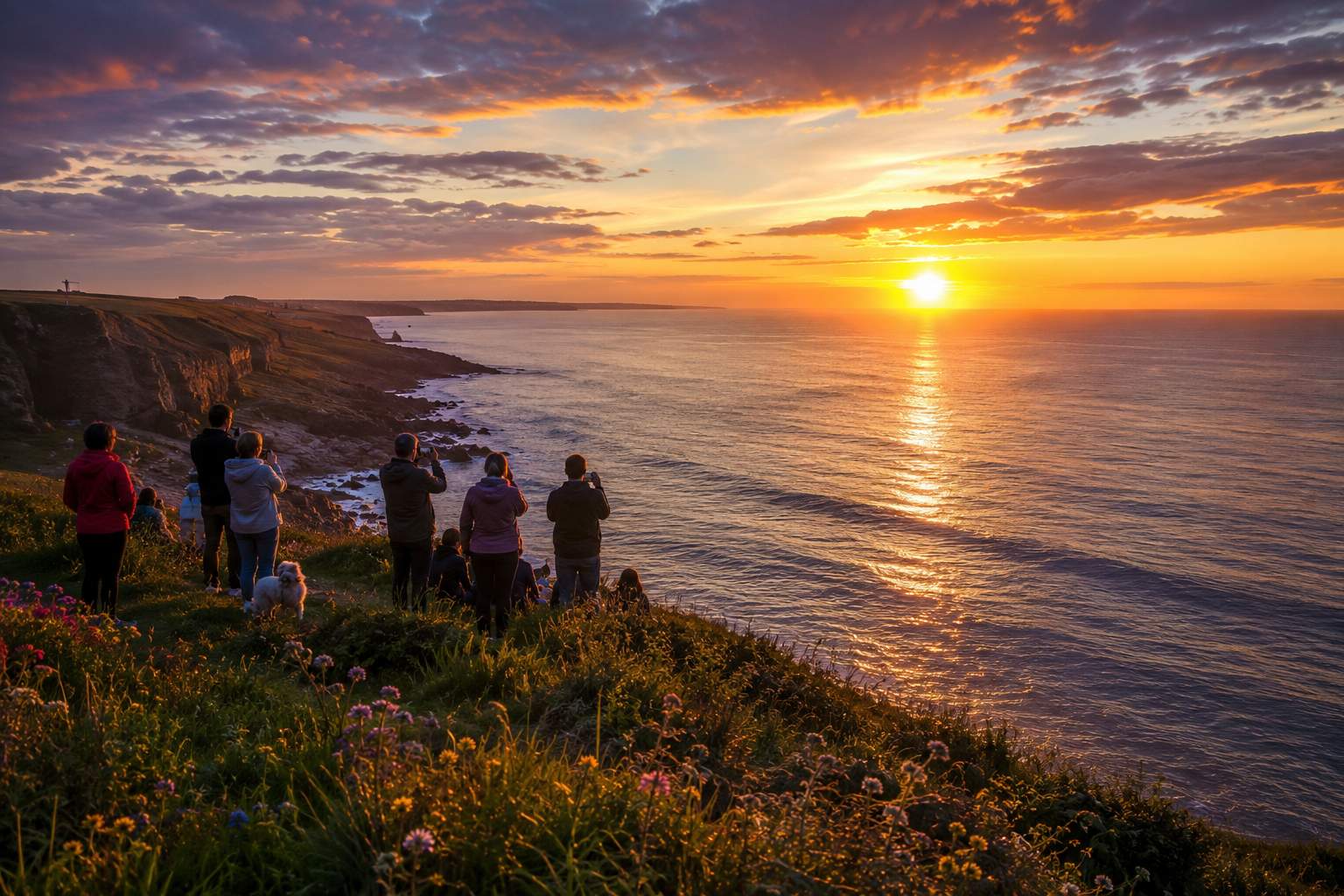
Popular sunrise locations include Tynemouth Longsands, Bamburgh Beach, Seaham coastline and the cliffs around Whitburn. Local photography groups often organise early morning meetups to capture the first light of the day, while coastal walks and paddleboarding sessions have become increasingly popular during solstice weekends.
National Trust sites, country parks and nature reserves across Northumberland also see increased visitor numbers as people make the most of the extended daylight.
The solstice has also become an important date for wellness groups, outdoor fitness communities and nature enthusiasts who use the occasion to celebrate the arrival of summer.
More Than Just Extra Daylight.
For many people, the Summer Solstice is about more than astronomy. It offers a rare opportunity to slow down, spend time outdoors and appreciate the natural world.
In a region known for its stunning coastline, historic landscapes and open countryside, the longest day provides a reminder of just how much the North East has to offer during the summer months.
Whether watching the sunrise over the North Sea, enjoying a late evening walk along Newcastle's Quayside or exploring Northumberland's countryside, the Summer Solstice continues to connect modern life with traditions that stretch back thousands of years.
Your input matters.
Have you ever watched the sunrise on the Summer Solstice in Newcastle or elsewhere in the North East?
Lifestyle News
Why Newcastle Gets One Of The UK's Longest Days
Advertisement




Comments (0)
You must be logged in to post comments.
Don't have an account? Register here
No comments yet. Be the first to share your thoughts!