
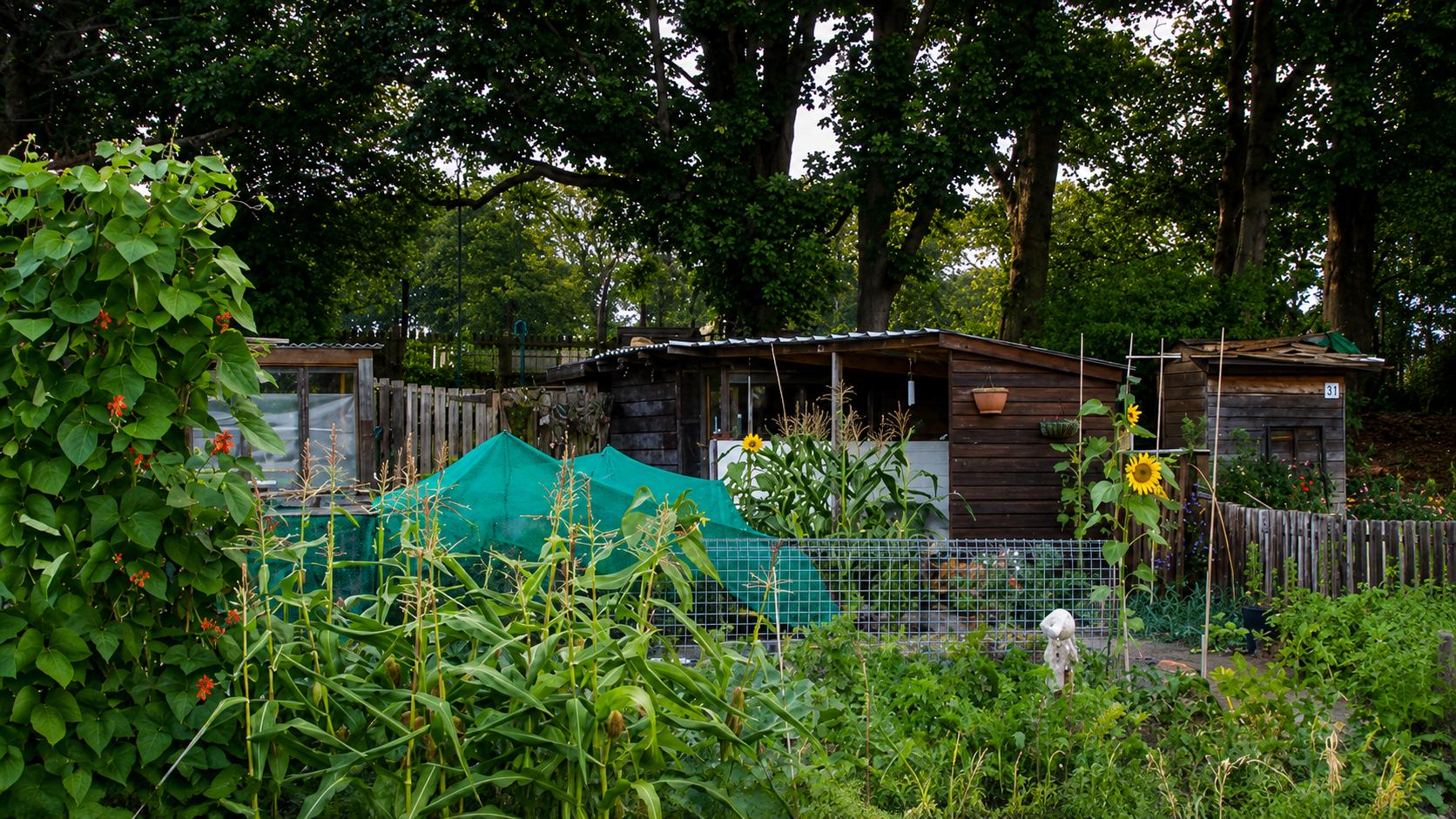
Put your name down for an allotment in most parts of Newcastle and the response is likely to involve a wait measured in years rather than months. It is a situation repeated across almost every city in Britain, and one that has intensified considerably over the past decade.
For anyone dreaming of raised beds and a shed with a kettle in it, that can be dispiriting news. The picture is more nuanced than simple scarcity, though, and there are genuine routes to getting growing sooner.
Here is why demand has climbed so sharply, how the system works, and what the practical alternatives look like.
Councils have a legal duty, but a limited one.
Allotment provision in England rests on legislation dating back over a century, principally the Allotments Acts of 1908 and 1950. Local authorities can be required to provide plots where there is demonstrated demand from registered electors.
The duty has real teeth in principle. In practice, it operates within the constraints of available land, existing commitments and the cost of creating and servicing new sites.
Statutory allotment land also carries protection. Disposing of it generally requires consent from central government, which is one reason established sites have survived decades of development pressure around them.
Demand rose sharply and never fell back.
Allotment interest has cycled throughout modern history, peaking during wartime food campaigns and dipping through the later twentieth century, when many sites were lost to housing.
The most recent surge began well before the pandemic but accelerated dramatically during it. Time at home, interest in food provenance, rising grocery costs and a broader appetite for outdoor activity all pushed applications upward.
Unusually, that spike largely persisted afterwards. Plot turnover is naturally slow, since tenancies often continue for many years, so a sudden rise in applications translates into a long queue that takes years to clear.
Turnover is the real bottleneck.
The length of a waiting list depends far less on how many people apply than on how many plots become available each year. A site with two hundred plots and a handful of vacancies annually will build a substantial queue quickly.
Allotment tenancies frequently pass through families or continue for decades, which is a mark of how valued they are. It also means new plots reach new tenants slowly.
Some authorities have responded by subdividing larger plots into half or quarter sizes. This creates more tenancies from the same land and suits people who want manageable growing space rather than the traditional full plot, which is a substantial commitment.
Sites are managed in different ways.
Not every allotment site in Newcastle is directly run by the council. Many are managed by allotment associations under lease, with committees handling waiting lists, rents, maintenance and site rules themselves.
That distinction matters when applying. Joining a council list may not automatically place you on the list for an association-managed site nearby, and the reverse can also be true.
The practical advice is to check individually and, where permitted, register with more than one site. Rules on multiple registrations vary, so it is worth asking directly rather than assuming.
Plots come with obligations.
An allotment is not simply a piece of ground handed over indefinitely. Tenancy agreements set out expectations, typically requiring a proportion of the plot to be cultivated and kept reasonably free of weeds.
Sites usually restrict what can be built, whether livestock such as hens are permitted, how bonfires are handled and whether structures need approval. Rules on subletting are generally strict.
Plots that fall into neglect can be reclaimed after formal warnings, which is how many vacancies arise. It is worth being realistic about the time involved before accepting an offer, since a full plot can absorb several hours a week during the growing season.
There are good alternatives while you wait.
Community gardens operate across Newcastle and the surrounding area, offering shared growing space without the commitment of a personal tenancy. They tend to be sociable, welcoming to beginners and considerably easier to join.
Some allotment sites also run informal arrangements where an existing tenant shares a plot they can no longer manage alone. Asking at a site, or through a local growing group, sometimes produces results that formal lists cannot.
Container growing on a balcony, yard or windowsill genuinely works for salad leaves, herbs, tomatoes, chillies and more besides. It is also a low-risk way to discover whether the reality of regular watering and weeding matches the appeal of the idea.
Getting on the list is still worth doing.
Even with a long wait, registering costs little and starts the clock. Waiting times vary substantially between sites, and less well known locations sometimes move faster than the popular ones near the city centre.
Keeping your contact details current matters more than people realise. Offers are frequently made by email or phone, and lists are periodically cleaned of applicants who cannot be reached.
The wait is real, but so is the reward. Ask anyone who has finally been handed a key to a plot and they will tell you it was worth putting their name down years earlier than they thought necessary.
Share your thoughts.
How long have you been waiting for an allotment in Newcastle?
Local News
Why Newcastle's Allotment Waiting Lists Are So Long
Demand for allotment plots across Newcastle has risen sharply, leaving many applicants waiting years, but there are ways to get growing sooner.
Advertisement





Comments (0)
You must be logged in to post comments.
Don't have an account? Register here
No comments yet. Be the first to share your thoughts!