
For millions of people, coffee is part of the daily routine. Whether it is a quick morning espresso or a slow weekend cappuccino, most households throw away used coffee grounds without giving them a second thought.
But those leftover grounds can actually be incredibly useful around the home and garden. Packed with nutrients, natural oils and gritty texture, used coffee grounds have become a favourite ingredient in everything from gardening to cleaning and even skincare.
With more people looking for eco friendly home hacks and simple ways to cut household waste, coffee grounds are proving to be surprisingly valuable. Instead of heading straight for the bin, they can help save money, reduce chemicals in the home and even improve your garden.
Here are 10 surprising uses for used coffee grounds that many people still do not know about.
Coffee Grounds Can Improve Compost.
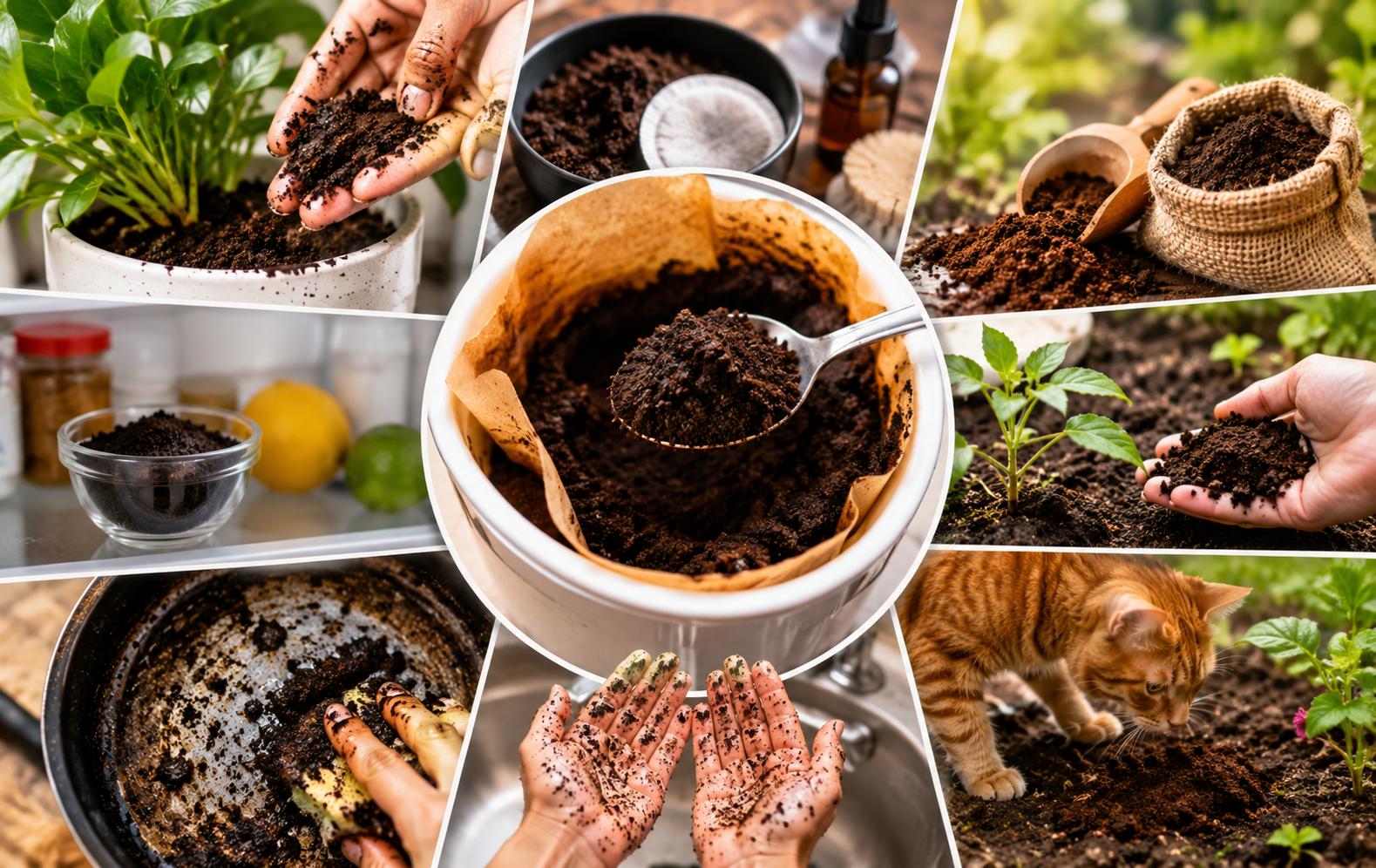
One of the most popular uses for used coffee grounds is adding them to compost heaps. Coffee grounds are rich in nitrogen, which helps create healthy compost for plants and vegetables.
Gardeners often mix coffee grounds with dry materials like leaves or cardboard to balance compost properly. Worms are also attracted to coffee grounds, making them useful for encouraging natural composting activity.
Experts recommend using coffee grounds in moderation rather than dumping large amounts into compost all at once.
They Can Help Keep Garden Pests Away.
Slugs and snails are a nightmare for gardeners, especially during warmer months. Many people sprinkle coffee grounds around flower beds and vegetable patches to help discourage pests.
The rough texture can create a barrier around delicate plants, while the strong smell may also help keep some insects away.
Although coffee grounds are not a perfect pest solution, many gardeners say they have noticed fewer unwanted visitors after using them regularly.
Used Coffee Grounds Can Neutralise Bad Smells.
Coffee grounds are excellent at absorbing odours, making them useful around the house.
A small bowl of dried coffee grounds placed in the fridge can help tackle unpleasant smells from food. Some people also keep them near bins, shoe racks or pet areas to reduce lingering odours naturally.
Unlike chemical air fresheners, coffee grounds provide a more eco friendly and low cost option for freshening indoor spaces.
They Make A Natural Cleaning Scrub.
Because coffee grounds have a gritty texture, they can work well as a natural scrubbing material for stubborn dirt and grease.
Many households use them to clean pots, pans and barbecue grills. The grounds can help lift grime without relying heavily on harsh cleaning chemicals.
However, experts advise avoiding delicate surfaces that could scratch easily, such as polished stone or certain types of cookware.
Coffee Grounds Can Feed Certain Plants.
Some plants benefit from the nutrients found in used coffee grounds. Roses, hydrangeas and blueberries are among the plants often linked to coffee ground fertiliser.
The grounds contain small amounts of nitrogen, potassium and phosphorus that can support healthy growth when used carefully.
Gardeners usually mix coffee grounds into soil or compost rather than placing thick layers directly onto plants.
They Can Be Used In DIY Beauty Treatments.
Coffee grounds have become increasingly popular in homemade beauty products and skincare routines.
Many people use them as part of body scrubs because the texture helps exfoliate dead skin cells. Some beauty enthusiasts also mix coffee grounds with coconut oil or honey to create natural face and body treatments at home.
The caffeine found in coffee is also believed by some to temporarily tighten skin and reduce puffiness, although results can vary between individuals.
Used Coffee Grounds May Help De-Ice Paths.
During colder weather, coffee grounds can provide extra grip on icy paths and driveways.
The rough texture helps create traction underfoot, while the dark colour may absorb sunlight and encourage ice to melt slightly faster.
Some councils and homeowners have experimented with coffee grounds as an alternative to salt, especially in environmentally sensitive areas where excess salt can damage plants or waterways.
Coffee Grounds Can Deter Cats From Gardens.
Some gardeners claim used coffee grounds help discourage cats from digging in flower beds.
The strong smell appears to put some animals off certain areas of the garden. Orange peel is sometimes mixed with coffee grounds for an even stronger scent barrier.
While it may not work for every cat, many homeowners say it has reduced unwanted mess in their gardens.
They Can Freshen Hands After Cooking.
Anyone who has chopped garlic, onions or fish knows how difficult strong food smells can be to remove from hands.
Rubbing used coffee grounds between your hands with soap and water can help absorb stubborn odours naturally.
Many chefs and home cooks swear by the trick, especially after preparing strong smelling ingredients in the kitchen.
Coffee Grounds Can Be Used For Craft Projects.
Coffee grounds are also becoming popular in arts and crafts.
Some people use them to create textured paint effects, natural dyes or vintage paper designs. Schools and craft groups sometimes include coffee grounds in sensory activities because of their smell and texture.
Creative hobbyists have even used dried coffee grounds in homemade candles and decorative projects.
Why More Households Are Reusing Coffee Grounds.
As food waste and sustainability become bigger issues, more households are looking for easy ways to reuse everyday items.
Coffee grounds are one example of how small changes can reduce waste while also saving money. Instead of throwing them away immediately, many people are finding practical uses that benefit the home, garden and even personal care routines.
Environmental groups have also encouraged people to think differently about food waste, with millions of tonnes still ending up in landfill every year across the UK.
Because coffee is one of the most widely consumed drinks in the world, even small reuse habits could make a noticeable difference over time.
What To Remember Before Using Coffee Grounds.
Although coffee grounds can be useful, experts say moderation is important.
Using excessive amounts directly on soil may affect drainage or plant growth, while wet coffee grounds left indoors can develop mould if not dried properly.
People should also avoid washing large amounts of coffee grounds down sinks because they may contribute to blocked pipes over time.
When used correctly, however, coffee grounds can be a cheap, natural and surprisingly versatile household ingredient.
Have you tried any of these surprising uses for used coffee grounds at home or in the garden? Share your favourite coffee hacks and eco friendly household tips in the comments below.
Food & Drink News
10 Surprising Uses for Used Coffee Grounds at Home and in the Garden
Advertisement




Comments (0)
You must be logged in to post comments.
Don't have an account? Register here
No comments yet. Be the first to share your thoughts!