
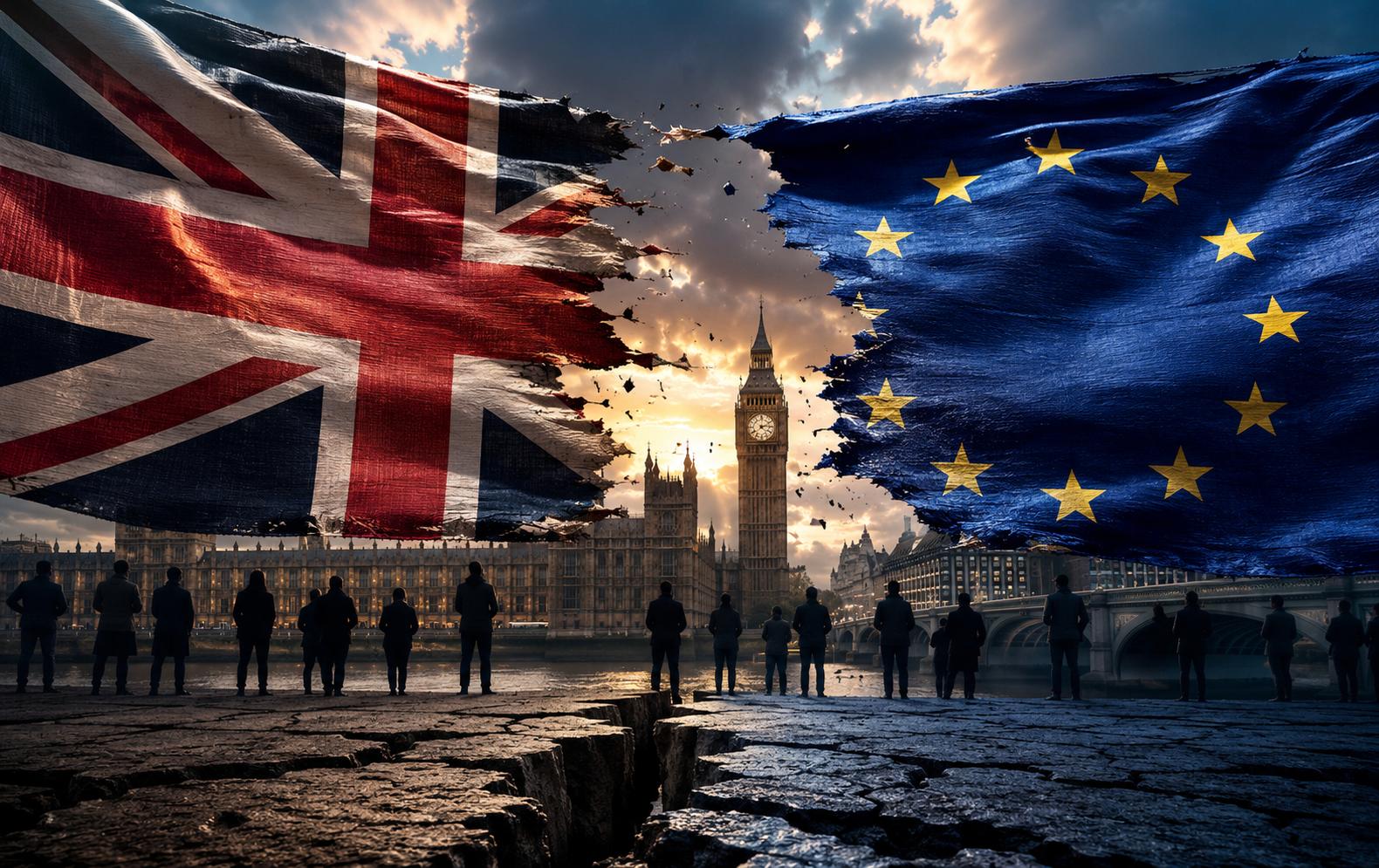
It has now been a decade since one of the most significant political moments in modern British history, when voters across the United Kingdom went to the polls to decide whether the country should remain in or leave the European Union.
The referendum held on June 23, 2016 delivered a result that stunned political leaders, financial markets and much of the international community. By a margin of 51.9 percent to 48.1 percent, Britain voted to leave the EU after more than four decades of membership.
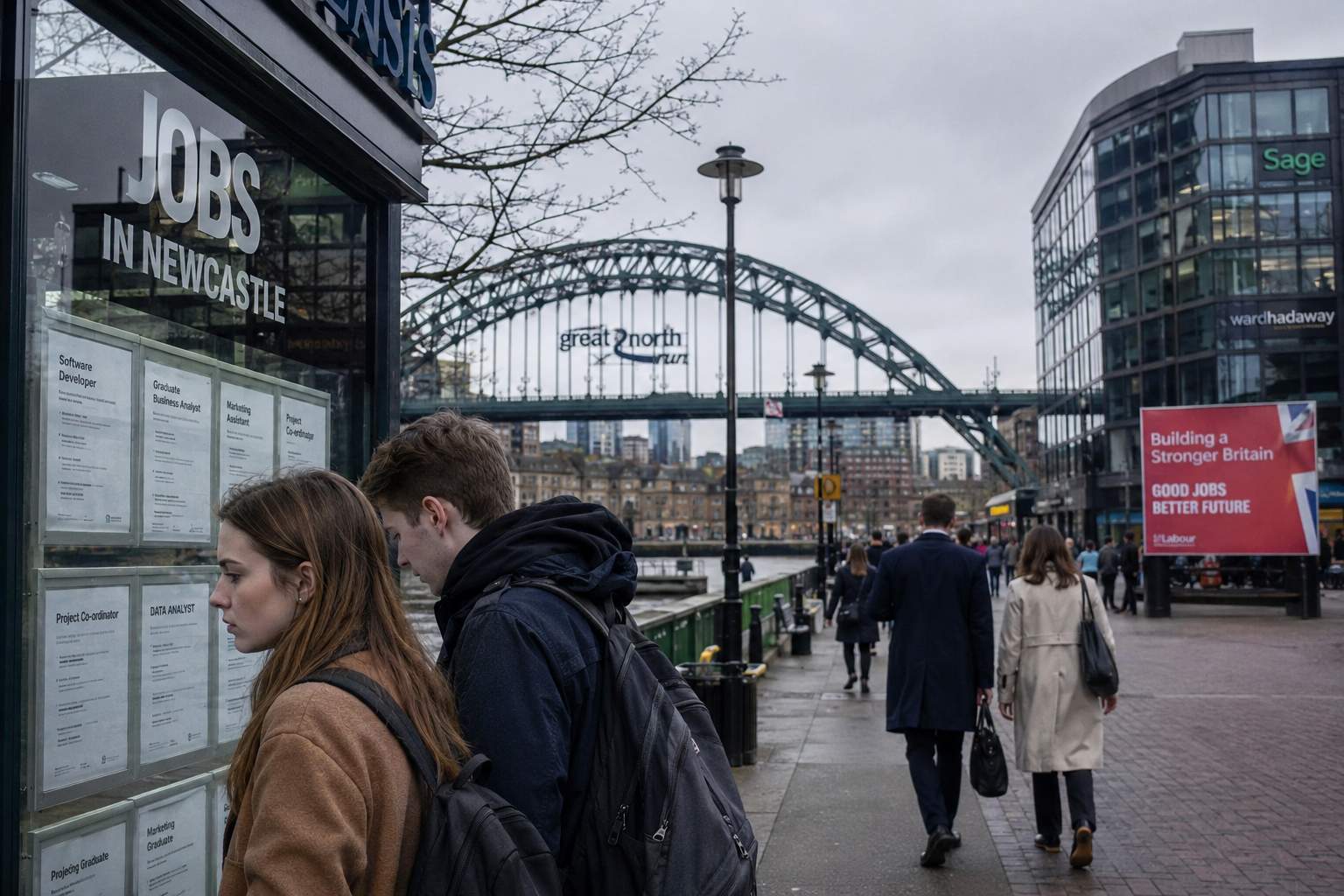
Ten years later, the effects of Brexit continue to shape everyday life across the UK, from immigration rules and trade agreements to tourism, jobs and investment. In Newcastle upon Tyne and the wider North East, the impact has been especially noticeable because of the region’s close ties to manufacturing, exports, universities and European funding programmes.
While supporters argue Brexit restored sovereignty and gave Britain greater control over laws and borders, critics say the country continues to face economic and political consequences that have damaged growth and increased uncertainty.
A decade on from the vote that divided families, communities and political parties, the debate surrounding Brexit remains as intense as ever.
Newcastle Upon Tyne Was Deeply Divided During The Referendum.
The Brexit referendum exposed major political and economic divisions throughout Britain, and Newcastle upon Tyne became one of the clearest examples of how closely contested the vote truly was.
When Newcastle’s result was announced overnight during the referendum count, the city narrowly backed Remain by just over 50 percent. However, neighbouring areas across the North East voted strongly in favour of Leave, reflecting wider frustrations over economic inequality, immigration concerns and distrust of Westminster politics.
At the time, many Brexit supporters argued that leaving the EU would allow Britain to regain control over its own laws, borders and trade policy without interference from Brussels.
Others hoped Brexit would create new economic opportunities outside the European Union while reducing pressure on public services linked to immigration.
Meanwhile, opponents warned leaving the EU could harm trade, weaken investment and create long-term instability for businesses and workers.
Ten years later, both sides continue to point to evidence supporting their arguments.
Trade And Business Have Experienced Major Changes.
One of the biggest changes following Brexit has involved trade and business operations throughout the UK.
Before leaving the EU, British companies traded freely within the European single market with minimal customs barriers. Brexit introduced new checks, paperwork and regulatory requirements for many businesses exporting goods into Europe.
For companies in Newcastle upon Tyne and the wider North East, this has created both challenges and opportunities.
Manufacturing businesses, particularly those involved in automotive production, chemicals and engineering, have faced increased administrative costs and delays linked to customs procedures.
Exporters that previously relied on frictionless trade with EU countries have often needed to adapt supply chains and logistics systems to meet new rules.
Small businesses have sometimes struggled with additional paperwork and changing regulations, particularly during the early years after Britain formally left the EU.
However, some companies have benefited from Brexit-related changes, especially businesses focused on domestic production or non-EU markets.
Supporters of Brexit argue Britain now has greater freedom to negotiate independent trade agreements around the world rather than relying on EU-wide deals.
Since leaving the EU, the UK has signed trade agreements with countries including Australia and New Zealand while joining the Comprehensive and Progressive Agreement for Trans-Pacific Partnership.
Critics, however, argue these agreements have not fully compensated for reduced trade growth with European markets.
Immigration Rules Changed Dramatically After Brexit.
Immigration became one of the defining issues during the referendum campaign, with Brexit supporters arguing Britain needed greater control over its borders.
Before Brexit, EU citizens could freely live and work in the UK under freedom of movement rules. Following Brexit, Britain introduced a points-based immigration system that ended automatic rights for EU workers.
The changes have significantly affected sectors across Newcastle upon Tyne and the wider UK economy.
Industries including hospitality, healthcare, agriculture and construction have all reported labour shortages since Brexit and the pandemic combined altered workforce patterns.
Some employers say recruiting workers has become more difficult and expensive, particularly for lower-paid roles previously filled by EU nationals.
At the same time, supporters of tighter immigration controls argue the changes have helped prioritise skilled migration while reducing pressure on housing, schools and public services.
The debate over immigration remains highly politically sensitive, with public opinion continuing to differ sharply across the country.
Universities And Students Faced New Challenges.
Newcastle University and other higher education institutions across Britain also experienced major changes after Brexit.
For decades, universities benefited from European research funding programmes, student exchange schemes and collaborative partnerships with EU institutions.
Brexit brought uncertainty over future funding arrangements and ended British participation in the Erasmus student exchange programme.
Some university leaders warned the changes risked reducing international collaboration and making the UK less attractive to European students.
However, the government later introduced alternative programmes and continued supporting international recruitment beyond Europe.
Newcastle University and Northumbria University have both continued attracting overseas students, although some academic figures argue Brexit reduced opportunities for cultural exchange and European partnerships.
The long-term impact on higher education remains debated, particularly as global competition for international students intensifies.
Tourism And Travel Have Also Been Affected.
Travel has changed noticeably for British tourists since Brexit, particularly regarding border checks, passport rules and residency rights in Europe.
Holidaymakers from Newcastle upon Tyne travelling to EU destinations now face different entry requirements compared with the years before Brexit.
British travellers can no longer use EU passport lanes in many airports, while restrictions on long-term stays and work opportunities within Europe have also increased.
For some people, Brexit represented a symbolic loss of freedom of movement that younger generations had grown accustomed to.
However, supporters argue the changes were necessary to restore national control over immigration policy and border management.
The travel industry initially faced disruption following Brexit and the pandemic, although international tourism demand has since recovered strongly.
European Funding Losses Sparked Regional Concerns.
One of the most significant concerns raised in the North East following Brexit involved the loss of EU regional development funding.
For many years, Newcastle upon Tyne and surrounding areas benefited from European investment aimed at supporting economic regeneration, infrastructure and skills programmes.
EU funding contributed to business development projects, transport improvements, research initiatives and community schemes throughout the region.
Following Brexit, the UK government introduced replacement funding programmes including the Shared Prosperity Fund.
However, some local leaders and campaigners argue replacement funding has lacked the scale and consistency previously provided through European schemes.
Others believe Brexit gives Britain greater flexibility to decide how regional investment should be allocated without EU oversight.
The debate over whether replacement funding has fully matched previous European support remains ongoing.
Political Trust And National Identity Continue To Be Shaped By Brexit.
Beyond economics and trade, Brexit permanently changed British politics and national identity.
The referendum exposed deep divisions between regions, generations and political ideologies that continue influencing elections and public debate today.
Issues surrounding sovereignty, globalisation, immigration and national identity remain central themes in British politics ten years later.
Brexit also reshaped relationships between England, Scotland, Wales and Northern Ireland, particularly concerning constitutional questions and future independence debates.
For many voters, Brexit represented a rejection of political elites and a demand for greater national control.
For others, it symbolised economic self-harm and a retreat from international cooperation.
Even after a decade, Britain remains politically and emotionally divided over whether Brexit ultimately benefited the country.
Newcastle Continues To Adapt To A Post-Brexit Britain.
Despite the political arguments, life in Newcastle upon Tyne has continued adapting to the realities of post-Brexit Britain.
Businesses have adjusted supply chains, universities have developed new partnerships, and travellers have become accustomed to changing rules.
The city’s economy remains influenced by wider national and global pressures including inflation, energy costs and international instability, making it difficult to isolate Brexit as the sole cause of economic changes.
Some residents believe Brexit restored democratic accountability and national independence.
Others feel the economic costs and trade complications outweighed any political benefits.
What remains clear is that the referendum changed Britain permanently. Ten years later, Brexit is no longer simply a political slogan or campaign argument. It is now woven into the everyday reality of life across Newcastle upon Tyne and the rest of the United Kingdom.
Whether viewed as a success, a mistake or an ongoing work in progress, Brexit remains one of the defining events of modern British history and its consequences will likely continue shaping the country for decades to come.
Do you believe Brexit has improved life in Newcastle and the wider UK, or do you think the country would be better off back inside the European Union?
Politics
10 Years Later: How Leaving The EU Changed Newcastle And The UK
Advertisement


Comments (0)
You must be logged in to post comments.
Don't have an account? Register here
No comments yet. Be the first to share your thoughts!