
Thousands of Personal Independence Payment claimants across Newcastle and the wider North East could soon experience fewer benefit reviews after a significant Department for Work and Pensions change officially came into force this month.
The new regulations, introduced by the government in June, give the Department for Work and Pensions (DWP) greater flexibility to extend existing fixed-term PIP awards without requiring claimants to undergo a reassessment when their current award period ends. The move is expected to affect millions of people across England and Wales and could bring welcome relief for many residents in Newcastle living with long-term health conditions and disabilities.
What Has Changed For PIP Claimants.
The updated legislation allows the Secretary of State to extend the length of an existing Personal Independence Payment award where it is considered necessary to support the efficient administration of the benefit system.
In practical terms, this means some claimants who were previously expecting a review or reassessment may instead receive an extension to their current award. The change has been introduced as the DWP continues to manage a substantial workload of assessments and reviews.
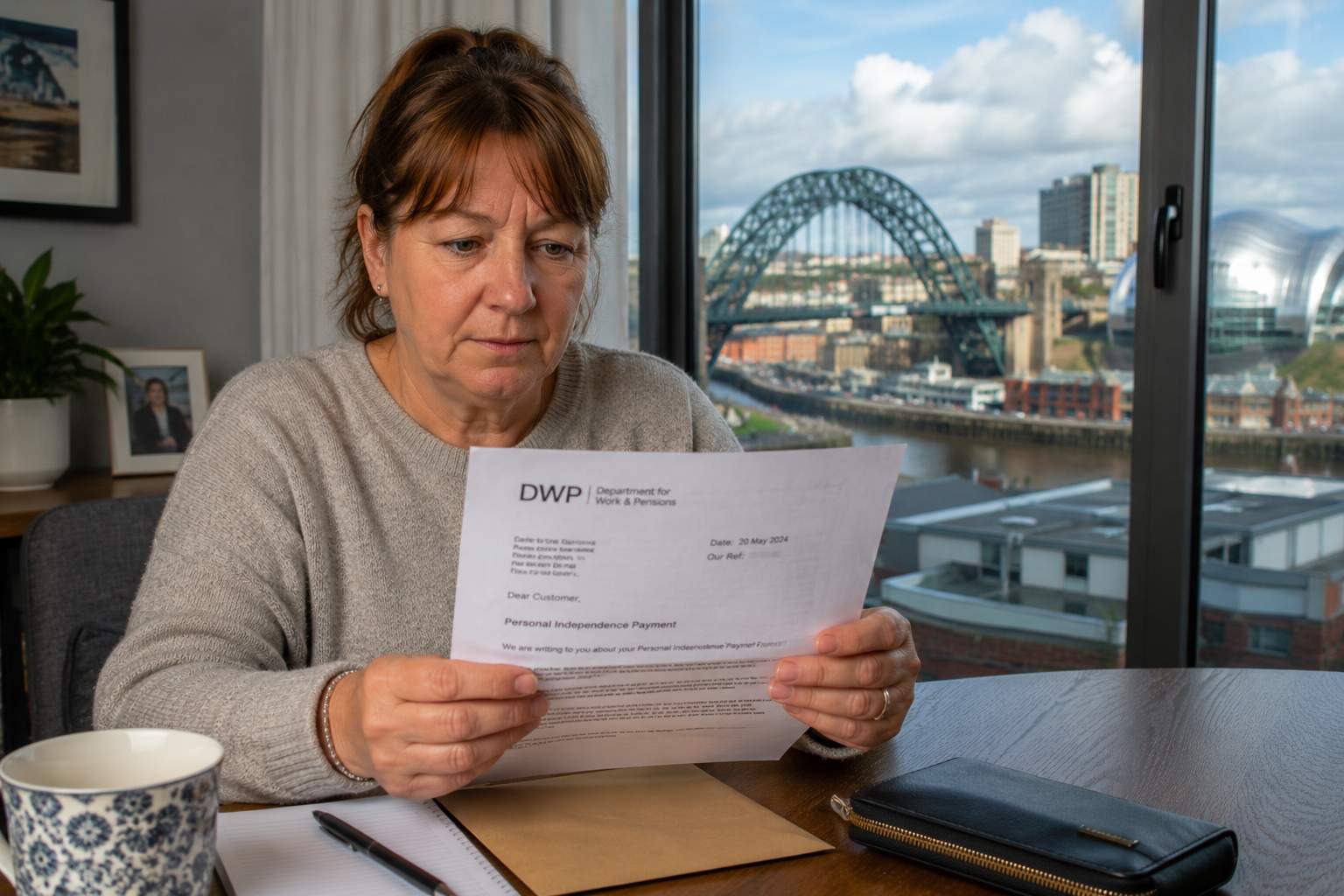
People living in Newcastle who currently receive PIP do not need to take any action. If their award is selected for an extension, the DWP will contact them directly and provide written confirmation.
The regulation does not guarantee automatic extensions for every claimant. Instead, the department will decide on a case-by-case basis where extending an award is considered appropriate.
Why The Government Has Introduced The Change.
The decision comes as the number of people receiving disability-related benefits continues to rise across the UK.
According to government figures, around 3.9 million people currently claim Personal Independence Payment across England and Wales. That figure has increased significantly in recent years as more people seek support for physical disabilities, mental health conditions and long-term illnesses.
The growing claimant numbers have placed increasing pressure on the assessment system, leading to concerns about review backlogs and waiting times.
For many Newcastle residents relying on PIP to help cover additional living costs associated with disabilities, longer periods between reviews could reduce uncertainty and stress. Claimants with conditions that are unlikely to improve often report anxiety surrounding reassessments and the possibility of benefit interruptions.
The government's aim is to reduce unnecessary reviews while ensuring support remains available to those who qualify.
Longer Review Periods Planned.
Alongside the power to extend existing awards, the DWP is also introducing longer review cycles for future claims.
New claimants are expected to receive an initial review period of at least three years. If eligibility remains unchanged at that review, the following assessment could be scheduled five years later.
For many people with stable health conditions, this could mean significantly fewer interactions with the assessment process over time.
Disability campaigners have long argued that people with severe and lifelong conditions should not face repeated reassessments when there is little likelihood of improvement. The latest changes suggest the government is beginning to move towards a more tailored approach.
Timms Review Could Bring Further Reforms.
The latest regulations arrive while the government continues its wide-ranging review of the Personal Independence Payment system.
Led by Social Security and Disability Minister Sir Stephen Timms, the review is examining how PIP operates and whether the current assessment process remains suitable for modern claimants.
Several major proposals are currently being considered.
One of the most notable involves increasing the number of face-to-face assessments. During and after the Covid pandemic, video and telephone assessments became far more common. Government figures indicate that only around 6% of PIP assessments currently take place face-to-face.
Officials are exploring plans to increase that figure to approximately 30%.
Supporters believe face-to-face assessments can provide a more complete picture of a claimant's needs. Critics, however, argue that some disabled people may find in-person appointments more difficult and stressful.
The government has stated that home visits and alternative arrangements would still be available where necessary.
Assessment Recording And Medical Evidence Under Review.
Another proposal being explored involves recording assessments as standard practice.
Supporters say recordings could improve transparency and help resolve disputes if claimants challenge decisions. Recorded assessments may also provide additional evidence during appeals.
The review is additionally considering whether NHS medical evidence could be shared directly with the DWP, subject to claimant consent.
If introduced, the measure could reduce the burden on claimants who currently need to gather and submit supporting medical documents themselves.
For Newcastle residents navigating the benefits system, easier access to medical evidence could potentially streamline future applications and reviews.
Four-Point Rule Officially Scrapped.
One controversial proposal that will not proceed is the so-called four-point rule.
The proposal would have required claimants to score at least four points in a single daily living activity to qualify for support.
Disability groups strongly opposed the measure, warning it could have excluded many people with genuine support needs.
The government has now confirmed the proposal has been dropped and will not form part of future reforms.
The decision has been welcomed by many campaigners who argued the change could have significantly restricted access to support.
What It Means For Newcastle Claimants.
For thousands of PIP recipients across Newcastle, Gateshead, North Tyneside and the wider region, the immediate impact is likely to be fewer reviews and greater certainty about future payments.
Many claimants with long-term conditions may receive extensions instead of reassessments, helping to reduce disruption and administrative pressure.
While further reforms are expected following the Timms Review later this year, the latest changes suggest the government is attempting to strike a balance between reducing system pressures and maintaining support for disabled people.
With nearly four million people relying on PIP nationwide, any future announcements are likely to attract significant attention from claimants, advocacy groups and local communities across Newcastle and beyond.
What Happens Next.
The Timms Review is expected to publish further findings in the autumn, with additional changes potentially emerging over the coming months.
Claimants are being advised to continue reading correspondence from the DWP carefully and report any relevant changes in circumstances as normal.
For now, the most immediate development is clear. Longer award periods and fewer reassessments are becoming a reality for many PIP claimants, including thousands across Newcastle and the North East.
Join the conversation and let us know your thoughts.
Do you think longer award periods will improve the system for Newcastle residents?
Politics
Major PIP Change Now Active as Thousands in Newcastle Affected
Advertisement





Comments (0)
You must be logged in to post comments.
Don't have an account? Register here
No comments yet. Be the first to share your thoughts!