
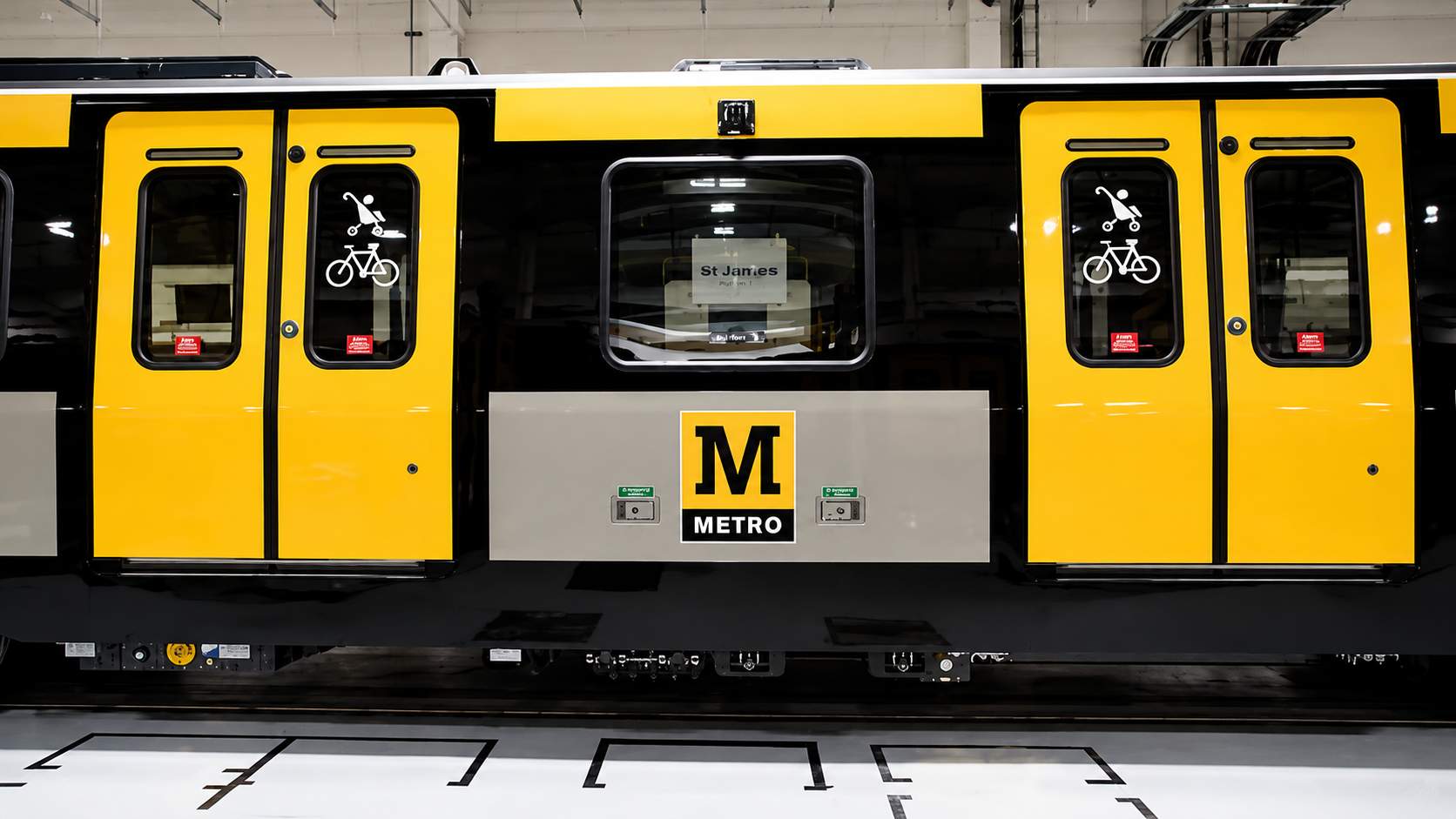
The introduction of the new Tyne and Wear Metro trains was supposed to mark the beginning of a new chapter for public transport across Newcastle and the wider North East. The £362 million fleet of Stadler Class 555 trains promised greater reliability, improved accessibility, air conditioning, better passenger information and a more comfortable journey for millions of people who rely on the Metro every year.
While many passengers have welcomed the modern features, the rollout has also been overshadowed by a series of problems ranging from lengthy delays before launch to software faults, operational challenges and criticism from commuters.
Here is a look at every major issue the new Metro trains have faced since entering service.
The launch was delayed by more than a year.
Perhaps the first major problem happened before passengers even boarded the trains.
The new fleet was originally expected to begin carrying passengers in 2023. However, repeated delays meant the first service did not operate until December 18, 2024.
Nexus said the delays were caused by the sheer complexity of introducing an entirely new fleet, alongside supply chain disruption, extensive testing, certification requirements, software development and driver training. Every train required around 90,000 individual tests and compliance with approximately 22,000 technical requirements before entering passenger service.
For many commuters across Newcastle, Gateshead, North Tyneside, South Tyneside and Sunderland, the delays meant continuing to rely on trains that were already more than four decades old.
A software fault grounded the fleet.
The biggest issue since the trains entered service came in April 2025.
Nexus temporarily withdrew every new Metro train after engineers discovered a software issue involving the door control system. Under a very specific sequence of events, the system could enable doors on both sides of the train while stopped at a station.
Although no passengers were ever placed in danger and safety systems operated as designed, the potential risk was serious enough for Nexus to suspend the fleet immediately while Stadler investigated.
The incident attracted national attention and raised questions about the testing process before the trains entered service.
Following software updates and additional testing, the trains gradually returned to operation.
The entire fleet was taken out of service.
Unlike many technical faults that affect a single vehicle, this issue resulted in every Class 555 train then operating on the Metro network being withdrawn.
The decision forced Nexus to return to relying almost entirely on the ageing Metrocar fleet while investigations continued.
Although the withdrawal only lasted a relatively short period, it damaged public confidence in what had been promoted as one of the biggest transport investments in North East England.
The rollout has been much slower than expected.
Even after the first train entered service, the rollout of the fleet remained gradual.
Passengers regularly questioned why large numbers of brand new trains could be seen parked at Gosforth Depot while older trains continued operating across the network.
The answer was largely down to testing, commissioning and driver training.
Each individual train required extensive mileage accumulation before carrying passengers, while Metro drivers had to complete training on the new driving systems, braking technology and onboard equipment before the trains could be introduced more widely.
This meant only a small number of trains entered passenger service at any one time.
Fleet shortages have caused service problems.
Throughout the phased introduction of the new trains, Nexus frequently referred to "fleet resource issues" when explaining service changes or cancellations.
These shortages were linked to several factors, including trains still undergoing testing, scheduled maintenance, software updates and the limited number of drivers qualified to operate the new fleet.
For passengers, the result was often the same, with cancellations, revised timetables and uncertainty over whether a scheduled service would operate.
Stadler faced financial penalties.
The rollout problems were not without consequences.
Nexus confirmed it had imposed contractual penalties of around £1.4 million on manufacturer Stadler due to delays and performance issues during the delivery programme.
While both organisations continued working together to introduce the fleet, the financial penalties highlighted the scale of the challenges involved in replacing every Metro train on the network.
Passenger complaints about the seating.
Not every criticism has involved reliability.
One of the most common complaints from passengers has centred on the interior layout.
The new trains feature more longitudinal seating and wider standing areas to improve accessibility and passenger flow during busy periods.
However, some commuters say there are fewer traditional groups of four seats, making journeys less comfortable for families and people travelling together.
Others believe the seats themselves are less comfortable than those found on the original Metro trains, particularly during longer journeys between Sunderland and Newcastle.
Major station upgrades were needed.
Introducing the new fleet was never simply about replacing trains.
Many Metro stations required engineering work before the Class 555 trains could operate correctly. Platform heights were adjusted at dozens of stations, while new technology was installed to work with the trains' automatic retractable step system.
Although these upgrades have improved accessibility for wheelchair users and passengers with pushchairs, they added further complexity to the overall project and contributed to the lengthy introduction process.
Driver training became a significant challenge.
Every Metro driver had to be trained on an entirely different train.
The new fleet includes modern computer systems, regenerative braking, digital diagnostics and updated safety equipment that differ significantly from the original Metrocars introduced in 1980.
Training hundreds of drivers while maintaining a full passenger service inevitably slowed the rollout, with only qualified drivers able to operate the new trains.
Reliability is still under scrutiny.
While reliability has improved as more trains have entered service, some passengers continue to report cancellations, train substitutions and occasional technical faults.
Transport experts often point out that introducing a completely new railway fleet is rarely straightforward, with many operators across the UK experiencing similar "teething problems" during major upgrades.
However, after years of waiting and a £362 million investment, many Metro users expect reliability to improve significantly as the remaining trains enter everyday service.
Can the new fleet still deliver on its promise?
Despite the problems, there is little disagreement that replacing the original Metro trains was essential.
The previous fleet served the North East for more than 46 years, making it one of the oldest metro fleets in Britain. Keeping those trains in service had become increasingly expensive as spare parts became harder to source and maintenance demands increased.
The new trains offer improved accessibility, air conditioning, onboard passenger information screens, better energy efficiency and modern safety systems that should benefit passengers for decades to come.
The challenges experienced so far have undoubtedly affected public confidence, but with all 46 trains now delivered and the rollout continuing across the network, Nexus will hope the conversation gradually shifts away from delays and technical issues towards the reliable, modern Metro service that passengers across Newcastle and the wider North East were promised.
Have your say.
Do you think the money spent on the new Metro trains was well spent?
Local News
£362m Later - Metro's New Trains Still Face Problems
Advertisement



Comments (0)
You must be logged in to post comments.
Don't have an account? Register here
No comments yet. Be the first to share your thoughts!