
Few aspects of local services touch daily life as directly as the bins. What we can recycle, how it is collected and how often have long varied confusingly from place to place, but a major shake-up of recycling is now under way that promises to standardise the system across England, even as questions remain about whether it will reverse years of stalled progress.
A Stalled Recycling Rate.
For all the effort households put into sorting their waste, England's recycling rate has stalled for years, failing to show significant improvement and leaving the country short of its targets. A confusing patchwork of different rules in different areas, with one council accepting materials that another rejects, has long been blamed for holding back progress and frustrating residents.
This postcode lottery of recycling has made it harder for people to know what they can recycle and has undermined efforts to lift recycling rates. Bringing consistency to the system has become a clear priority.
The Simpler Recycling Reforms.
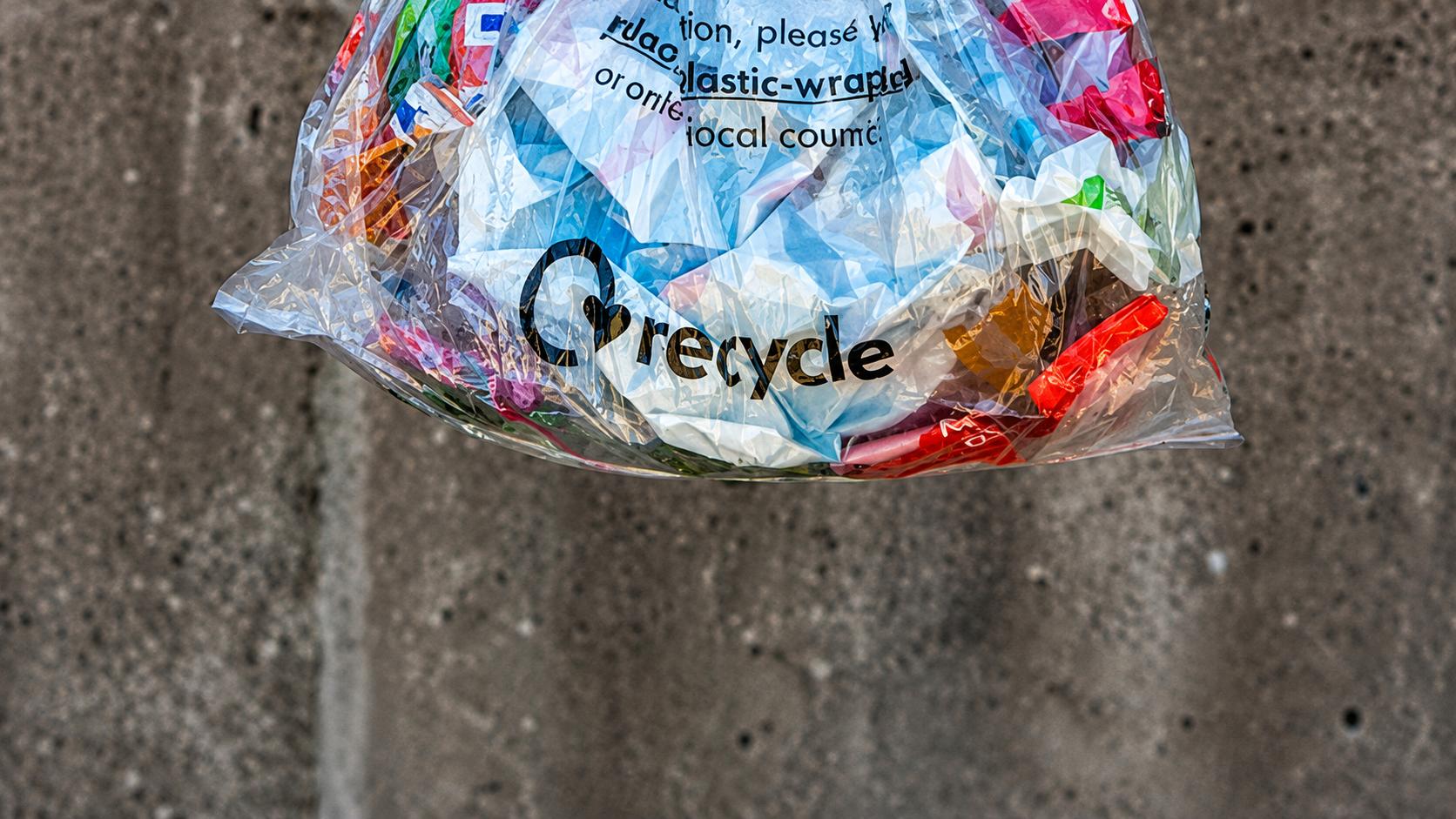
The answer being introduced is a set of reforms designed to standardise recycling collections across England. Under these changes, businesses have already been required to separate their waste into core recycling streams, and from 2026 all households in England will have a consistent set of materials collected.
This means glass, metal, plastic, paper and card, along with food and garden waste, collected separately from general rubbish, with weekly food waste collections for households. The aim is to make recycling simpler, more consistent and more effective, ending the confusion of differing local rules.
Weekly Food Waste Collections.
One of the most significant changes is the introduction of separate food waste collections for all households, in many cases on a weekly basis. Food waste that ends up in general rubbish is sent to landfill or incineration, whereas collected separately it can be put to better use.
Rolling this out across every household represents a major change for many areas that have not previously offered such collections, and a significant logistical and financial undertaking for councils. The hope is that it will divert large amounts of waste from disposal and lift recycling rates.
The Funding and the Producers.
The reforms come with funding to help councils introduce the new collections, including capital funding for food waste collection and a substantial investment in local recycling services. Alongside this, a separate reform shifts more of the cost of dealing with packaging waste onto the businesses that produce it.
Under this producer-pays approach, the companies that put packaging on the market are required to contribute to the cost of collecting and recycling it, rather than leaving the bill to councils and taxpayers. This is intended to provide funding for recycling services and to encourage producers to use less and better packaging.
What It Means for Households.
For households, the changes will mean adjusting to new collection arrangements, with a consistent set of bins and materials and, in many areas, new food waste collections. While change can be disruptive at first, the intention is to make recycling clearer and easier over time, with the same rules wherever people live.
The success of the reforms will depend in large part on households embracing the new system and on councils delivering the new collections effectively. Clear information and support will be important in helping people adapt.
The Council Challenge.
For councils, the reforms represent a significant undertaking, requiring changes to collection rounds, new vehicles and bins, and the management of additional waste streams, all at a time when council finances are under severe pressure. While funding has been provided, delivering the changes effectively will be a considerable task.
Councils will need to balance the demands of the new system with their wider financial pressures, and the smooth introduction of the reforms will be important to maintaining public support. Waste and recycling collection is one of the most visible services councils provide.
The Bigger Picture.
The shake-up of recycling forms part of a wider push towards a more circular economy, in which materials are kept in use for longer and less waste is sent to landfill or incineration. Reducing waste and increasing recycling brings environmental benefits and can support investment and jobs in the recycling sector.
For a region with a proud environmental landscape, playing its part in reducing waste and boosting recycling is a worthwhile goal. The reforms offer an opportunity to make a real difference, provided they are delivered well.
A Fresh Start for Recycling.
The big shake-up of recycling, standardising collections across England and introducing food waste collections for all, represents the most significant change to how households deal with their waste in years. After a long period of stalled progress and confusing local variation, the reforms offer the prospect of a simpler, more consistent and more effective system.
Much will depend on how well the changes are delivered and embraced, by councils and households alike. For an everyday service that touches every home, getting recycling right is a goal worth striving for, and the coming changes offer a fresh start.
A Shared Responsibility.
The success of any recycling system depends ultimately on a partnership between councils, who collect and process the waste, and households, who sort it in the first place, and the coming reforms are a reminder that reducing waste and protecting the environment is a shared responsibility. No matter how well-designed a collection system may be, it relies on people taking the time and care to sort their waste correctly, separating recyclable materials from general rubbish and using the different bins and collections provided.
Equally, no amount of effort by households can succeed without councils providing effective, consistent collections and ensuring that the materials collected are actually recycled. The new system, by making recycling more consistent and clearer, aims to make it easier for households to play their part, removing the confusion of differing local rules that has long frustrated people's efforts to recycle.
But its success will still depend on people embracing the new arrangements and on the wider effort to reduce waste at source, by using less, reusing more and choosing products with less packaging. Reducing waste is not only about recycling what we throw away but about throwing away less in the first place, and here too responsibility is shared, between the producers who make and package products, the retailers who sell them, and the consumers who buy and dispose of them.
The reform that shifts more of the cost of packaging onto producers reflects a recognition that those who create waste should bear more of the responsibility for dealing with it, an important principle in building a more sustainable system. Ultimately, moving towards a society that wastes less and recycles more requires everyone to play their part, from governments and councils to businesses and households, in a shared effort to use resources more wisely and protect the environment.
The coming changes to recycling offer an opportunity to do just that, provided they are embraced as a shared responsibility, and for a region that values its environment, rising to that responsibility is a goal well worth pursuing together.
Have your say.
A major shake-up will standardise recycling across England and bring food waste collections to every household from 2026.
What would make it easier for you to recycle more at home?
Local News
Bin There, Done That: The Big Shake-Up of Recycling
A major shake-up will standardise recycling across England and bring food waste collections to every household from 2026. We look at what it means.
Advertisement




Comments (0)
You must be logged in to post comments.
Don't have an account? Register here
No comments yet. Be the first to share your thoughts!