
When temperatures climb across Newcastle and the wider North East, many households face the same challenge. How do you keep your home comfortable without running up expensive electricity bills?
Unlike many countries, most homes across the UK were designed to keep heat in rather than let it escape. That means even a few days of sunshine can turn bedrooms and living rooms into uncomfortable spaces, especially during the evening when many people are trying to sleep. Fortunately, there are plenty of free and low-cost ways to reduce indoor temperatures that work surprisingly well.
With hotter summers becoming more common across Britain, knowing a few simple tricks could help you stay comfortable while saving money at the same time.
Why North East homes heat up so quickly.
Although the North East is often associated with cooler weather, Newcastle has experienced increasingly warm summers over recent years. Heatwaves are becoming more frequent across the UK as average temperatures continue to rise. Scientists say temperatures above 40C, once thought almost impossible in Britain, are now more than 20 times more likely than they were during the 1960s.
Many traditional brick homes across Newcastle, Gateshead, Sunderland and County Durham absorb heat throughout the day before slowly releasing it overnight. This often makes sleeping far more difficult than the daytime heat itself.
Close windows before the heat arrives.
It feels natural to throw open every window once the sun appears, but doing so during the hottest part of the day usually has the opposite effect.
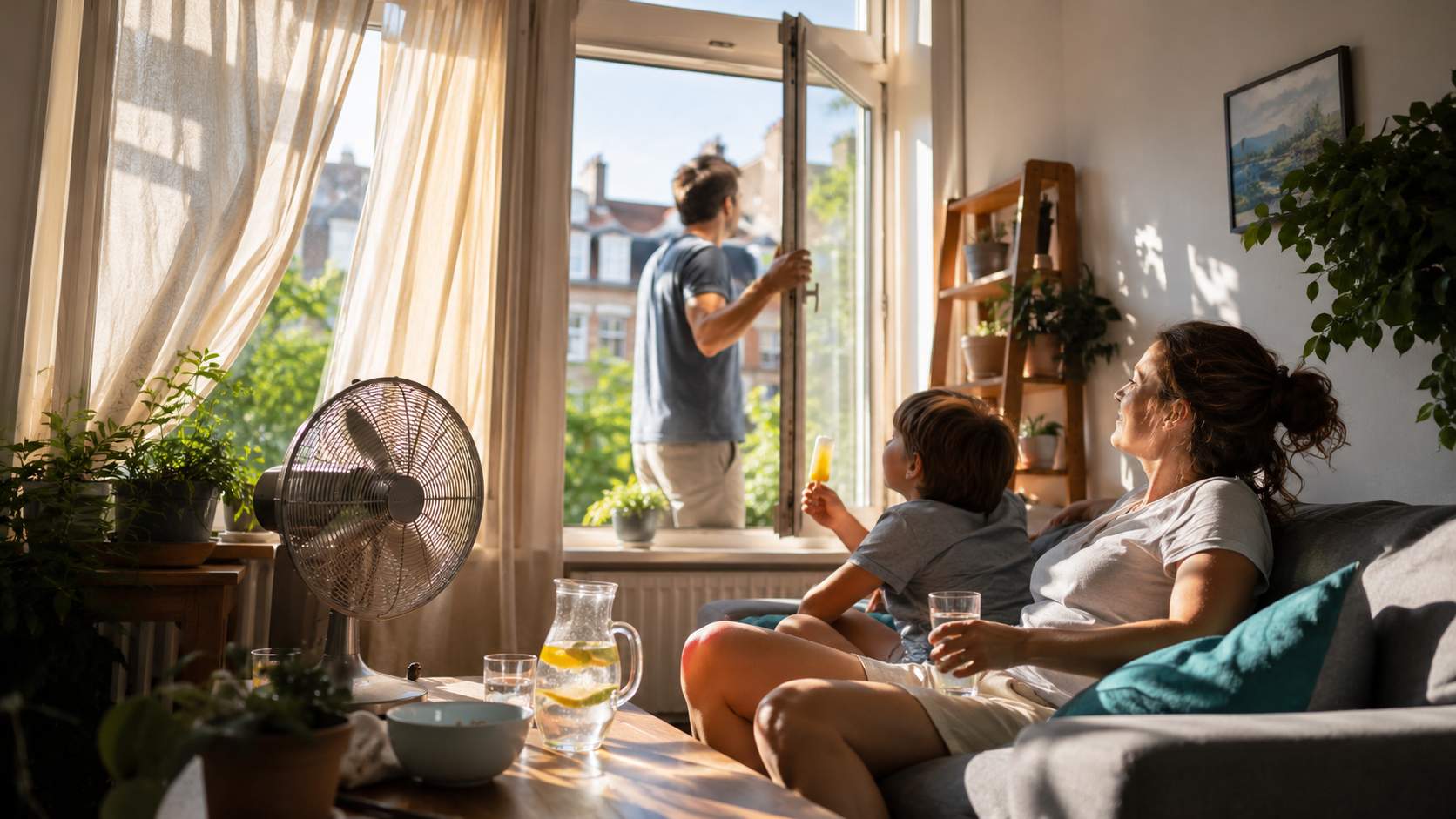
If outdoor temperatures are warmer than indoors, keep windows closed and draw curtains or blinds, particularly on south-facing windows. Once temperatures begin to fall during the evening, open windows on opposite sides of your home to create a natural cross breeze.
Both Newcastle City Council and the Met Office recommend this as one of the most effective ways to reduce indoor temperatures.
Block sunlight without spending money.
Direct sunshine is responsible for much of the heat entering a home.
Closing curtains before sunlight reaches the glass can make a noticeable difference. Light-coloured curtains work especially well because they reflect more sunlight.
If you want to go one step further without buying specialist products, a reflective emergency blanket or even a light-coloured towel placed over sun-facing windows can reduce solar heat entering a room during the hottest hours.
Turn off appliances you are not using.
Televisions, games consoles, computers, tumble dryers and even light bulbs all generate heat.
Switching appliances off at the wall instead of leaving them on standby not only keeps rooms cooler but can also reduce electricity bills. Cooking outdoors on a barbecue or preparing cold meals such as salads during the hottest part of the day can also prevent kitchens from becoming uncomfortably warm.
Create your own cooling breeze.
You do not need air conditioning to feel cooler.
If you already own a fan, placing a bowl of ice or frozen bottles of water in front of it can help circulate cooler air around a room. If you do not have a fan, dampening a flannel with cold water and placing it around your neck or wrists can quickly lower your body temperature.
Keeping hydrated is equally important. The NHS advises drinking plenty of fluids and avoiding excessive alcohol during periods of hot weather.
Think about your bedroom.
The warmest room in many homes is often the bedroom.
Opening windows overnight once temperatures have fallen can make a huge difference. Lightweight cotton bedding also helps improve airflow compared with thicker duvets.
Some people even place pillowcases inside a sealed plastic bag in the freezer for a short period before bedtime to make falling asleep more comfortable.
Check on neighbours during extreme heat.
Heatwaves are more than just uncomfortable.
UK Health Security Agency figures estimate there were more than 1,300 heat-associated deaths during the summer of 2024 in England. Older adults remain the most vulnerable group during periods of prolonged hot weather.
If you have elderly relatives or neighbours living alone, checking they have enough drinking water and that their home remains cool could make a real difference.
Small changes can have a big impact.
The best part about many cooling methods is that they cost nothing.
Closing curtains before the sun reaches your windows, opening them again overnight, switching off unused electrical items and creating natural airflow can reduce indoor temperatures without spending hundreds of pounds on air conditioning.
As summers continue becoming warmer across Newcastle and the North East, these simple habits could make every future heatwave far easier to manage.
Join the conversation.
How do you keep your home cool during hotter than typical days in the North East?
Lifestyle News
Another Heatwave On Way - How To Keep Your Home Cool For Free
Advertisement




Comments (0)
You must be logged in to post comments.
Don't have an account? Register here
No comments yet. Be the first to share your thoughts!