
The tragic death of a 14-year-old boy in the River Thames has renewed urgent warnings about water safety as the UK continues to experience unusually warm weather.
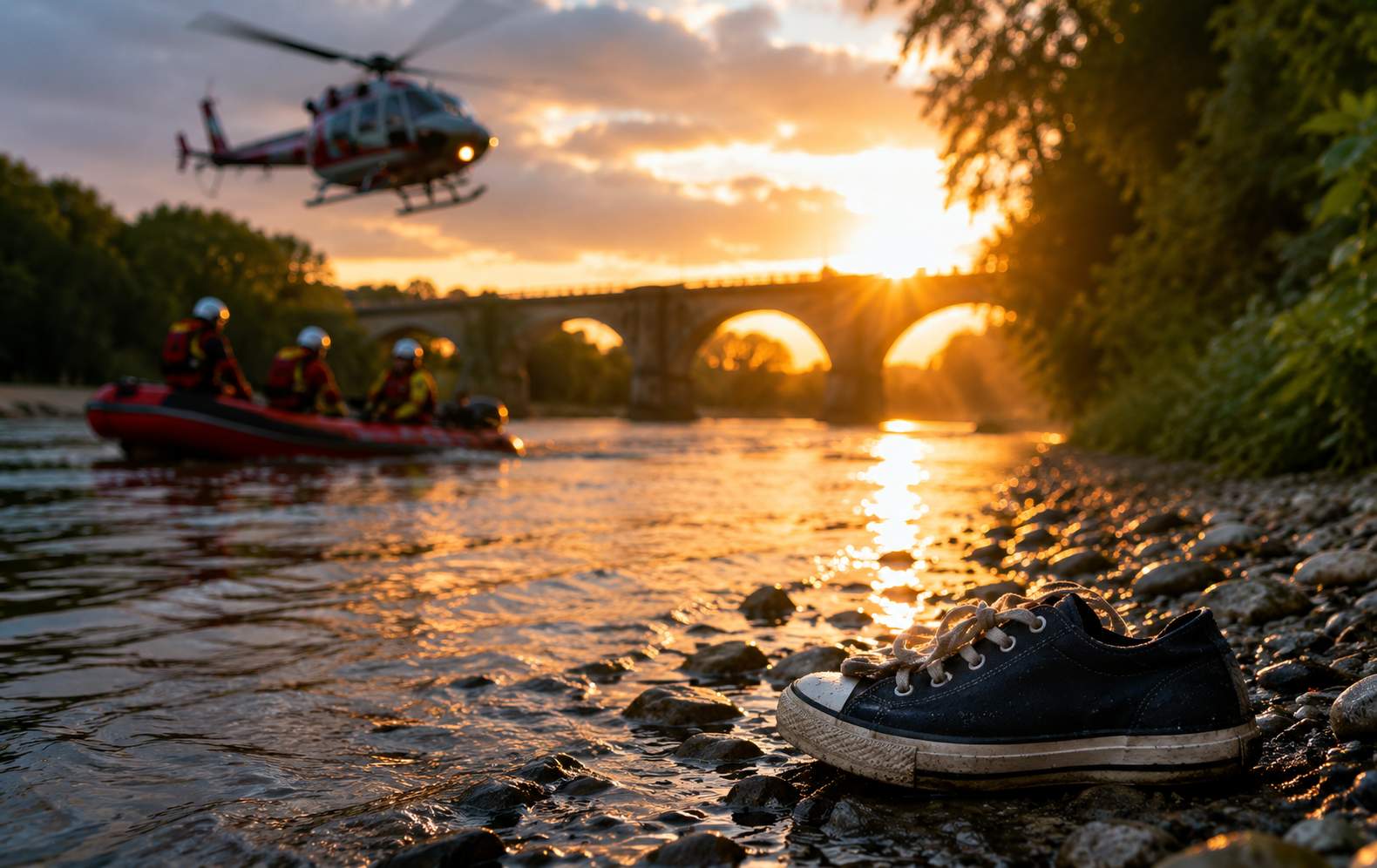
Emergency services were called to Donnington Bridge in Oxford at around 5.30pm on Wednesday after reports that a teenager had got into difficulty in the water. Thames Valley Police later confirmed that the boy had died, with officers describing the death as unexplained but not suspicious.
His death is one of a growing number of water-related tragedies reported across Britain during the recent spell of hot weather. National reports suggest at least 11 people have lost their lives in separate incidents linked to rivers, lakes, reservoirs and coastal waters in recent days, while some media outlets have since reported the figure may now have risen to 12 following the Oxford tragedy.
The incidents have sparked serious concern among water safety organisations, emergency services and families, with experts warning that many people continue to underestimate the dangers of entering open water during a heatwave.
Why Are Water Deaths Increasing During The Heatwave?
Whenever temperatures rise across the UK, thousands of people head outdoors to cool down. Beaches, rivers, lakes and reservoirs often become popular gathering spots for families, teenagers and groups of friends looking to escape the heat.
However, specialists say the increase in water-related deaths during hot weather follows a pattern that repeats itself almost every year.
One of the biggest misconceptions is that warm air temperatures mean the water is also warm. While the weather may feel like summer, rivers and lakes often remain surprisingly cold beneath the surface.
Professor Mike Tipton, Chair of the National Water Safety Forum, has warned that water temperatures can lag far behind air temperatures for months. In many parts of the country, open water remains cold enough to trigger dangerous physical reactions even during sunny conditions.
Experts say this sudden contrast between body temperature and cold water is a major factor in many drownings.
The Hidden Threat of Cold Water Shock.
Many people assume drowning only affects weak swimmers, but water safety organisations stress that cold water shock can affect anyone.
Cold water shock occurs when the body is suddenly immersed in cold water. The reaction is immediate and involuntary.
When somebody jumps into cold water, the body often responds with a sharp gasp reflex followed by rapid breathing. This loss of breathing control can cause panic within seconds.
For some people, especially those who enter the water unexpectedly, the shock makes it difficult to swim, stay afloat or even think clearly.
According to water safety experts, a large proportion of cold water drowning victims die within the first minute of entering the water because of the body's reaction rather than an inability to swim.
This is one reason why rivers, quarries and reservoirs can be particularly dangerous during heatwaves.
Why Young People Face Greater Risks.
Many of the recent fatalities have involved teenagers and young adults, raising concerns about the dangers facing younger people during periods of warm weather.
Experts believe several factors contribute to the trend.
Teenagers are often more likely to seek adventure, explore unfamiliar locations or take risks with friends. During hot weather, jumping into rivers or lakes can seem like a harmless way to cool down.
Unfortunately, many natural waterways contain hazards that cannot be seen from the surface.
Strong currents, submerged debris, hidden drop-offs and poor visibility can quickly turn a fun afternoon into an emergency situation.
Peer pressure can also play a role. Young people may feel encouraged to enter the water without properly assessing the risks or understanding how dangerous conditions may be.
Water safety groups have repeatedly called for more education around open water dangers, arguing that many young people simply do not understand how quickly things can go wrong.
The Recent Tragedies Across Britain.
The Oxford incident follows a series of water-related deaths reported during the recent warm spell.
Fatal incidents involving children, teenagers and adults have been reported in locations including Lincolnshire, Lancashire, Halifax, Rotherham, Warwickshire, Cheshire and Cornwall.
While each case remains unique, authorities say many involve people entering open water during hot weather.
The Royal Life Saving Society UK has warned that heatwaves often coincide with increases in accidental drownings because more people are tempted to cool off in rivers, lakes and reservoirs without recognising the dangers.
The organisation is among several groups calling for greater awareness campaigns and stronger water safety education in schools.
Important Water Safety Advice For Families.
As temperatures remain high, safety experts are urging people to take extra precautions around water.
One of the most important pieces of advice is never to jump straight into open water. Entering slowly allows the body to adjust to the temperature and reduces the risk of cold water shock.
People are also encouraged to swim in supervised areas wherever possible and avoid isolated locations where help may not be readily available.
Parents are being reminded to closely supervise children around water, even when it appears shallow or calm.
Experts recommend that anyone who unexpectedly falls into cold water should try to remain calm and float on their back while controlling their breathing. This can help reduce panic and increase the chances of survival until help arrives.
If somebody is seen struggling in the water, witnesses should call 999 immediately and avoid entering the water unless properly trained in rescue techniques.
Why The Message Matters In Newcastle.
The warnings are particularly relevant across Newcastle and the wider North East, where rivers, reservoirs, beaches and coastal areas attract large numbers of visitors during warm weather.
Popular locations along the River Tyne, local lakes and nearby coastal destinations can become crowded during heatwaves, especially when schools are on holiday.
Water safety organisations say awareness is the strongest tool available for preventing future tragedies.
Many campaigners are now calling for water safety lessons to become a mandatory part of education, helping young people understand risks before they encounter dangerous situations.
A Growing National Concern.
The death of the 14-year-old boy in Oxford has become another heartbreaking reminder of how quickly lives can be lost in open water.
With at least 11 water-related deaths reported during the recent heatwave, and some reports now placing the number at 12, authorities are urging families to take the risks seriously.
While warm weather encourages people outdoors, experts stress that rivers and lakes should never be viewed as risk-free alternatives to supervised swimming facilities.
As communities across the UK continue to enjoy rising temperatures, water safety organisations hope greater awareness of cold water shock and open water dangers will help prevent further loss of life.
For the families already grieving, those warnings come too late. But for others preparing to spend time near water this summer, they could prove lifesaving.
Have you witnessed risky behaviour around rivers, lakes or beaches in the North East during hot weather? Join the conversation and help raise awareness about staying safe near water.
Local News
Another Teen Dies as UK's Heatwave Drowning Toll Continues to Rise
Advertisement




Comments (0)
You must be logged in to post comments.
Don't have an account? Register here
No comments yet. Be the first to share your thoughts!