
Newcastle residents are being reminded that failing to clean up after a dog in public can lead to hefty fines, increased enforcement action and growing frustration among local communities. Across the city, dog fouling continues to be one of the most common complaints raised by residents, particularly in parks, near schools and on busy pavements where families and pedestrians regularly walk.
While most dog owners act responsibly, tougher action can be taken against anyone caught leaving dog waste behind. Officers across the city have powers to issue fines, investigate repeat offences and respond directly to complaints from members of the public. As councils across the UK continue to crack down on anti-social behaviour, dog fouling remains high on the agenda due to public health concerns and the impact it has on neighbourhoods.
What dog fouling laws say.
Under current legislation, dog owners are legally required to clean up after their dogs in public places. This includes pavements, parks, grassed areas, footpaths and many open spaces used by the public. Failing to remove dog waste immediately can result in a Fixed Penalty Notice being issued by authorised officers.
The rules are typically enforced through Public Space Protection Orders, often referred to as PSPOs. These powers allow local authorities to tackle behaviour that negatively affects local communities. The regulations apply to a wide range of public areas and are designed to help keep streets and recreational spaces clean for residents.
Importantly, the law applies regardless of whether the dog owner intended to leave the waste behind. If a dog fouls in a public area and the owner does not clean it up properly, enforcement action can still be taken.
Dog owners are also expected to carry suitable bags or equipment to remove waste while out walking. In some areas across the UK, officers can challenge owners who appear not to have any means of picking up after their pets.
Fines for leaving dog waste.
Dog fouling fines can be costly for anyone caught breaking the rules. Fixed Penalty Notices are commonly issued on the spot by enforcement officers or authorised personnel patrolling problem areas.
The exact amount can vary depending on local policy, but fines linked to dog fouling offences across England often range from £50 to £100 if paid within a specified timeframe. Failure to pay can result in prosecution through the courts, where penalties may become significantly higher.
Repeat offenders may also face closer scrutiny from local enforcement teams, particularly in neighbourhoods where complaints continue to rise. Residents have previously been encouraged to report persistent issues, including locations where dog fouling repeatedly occurs.
Enforcement officers may rely on direct observation, CCTV footage, witness reports and photographic evidence when investigating offences. In some cases, complaints from local residents can trigger increased patrols in hotspots where dog waste is frequently reported.
Why dog fouling remains a major issue.
Many residents view dog fouling as more than just an inconvenience. Aside from being unpleasant, dog waste can pose health risks, especially to young children playing in parks or communal areas.
One of the key concerns linked to dog waste is the spread of harmful bacteria and parasites. Health experts have long warned that contact with contaminated soil or surfaces can potentially lead to illness, particularly if waste is not removed promptly.
Local frustration also grows when pavements, parks and green spaces become repeatedly affected. Residents have regularly raised concerns online and through community groups about dog mess being left near schools, residential estates and walking routes.
Businesses and local organisations have also backed stronger enforcement measures, arguing that cleaner public spaces help improve the appearance of neighbourhoods and create safer environments for families and visitors.
How dog fouling rules are enforced.
Enforcement often combines patrols, public reporting and targeted action in areas where complaints are highest. Officers may patrol parks, footpaths and residential streets while monitoring problem zones identified by residents.
In some cases, warning signs and awareness campaigns are introduced before stricter enforcement begins. However, authorities increasingly rely on direct fines where repeat problems continue.
Residents can usually report dog fouling online, including details about locations, times and descriptions of incidents. This information can help identify recurring hotspots and organise patrols more effectively.
There have also been wider discussions nationally about stronger enforcement tools, including the use of CCTV monitoring and additional powers for enforcement officers. While approaches vary between councils, the overall message remains consistent - dog owners are expected to clean up immediately after their pets.
How to report dog owners who do not clean up after their animals.
Residents who repeatedly witness dog owners failing to clean up after their pets are encouraged to report incidents directly to their local authority. Reporting persistent dog fouling problems can help enforcement teams identify hotspots, increase patrols and take action against repeat offenders.
Most reports can be submitted online, where residents may be asked to provide details such as the location, time and description of the incident. If possible, providing information about the dog owner, the dog itself or repeated patterns of behaviour can help officers investigate more effectively.
In some cases, residents may also be able to submit photographs or video evidence, although authorities generally advise people not to put themselves in confrontational situations while gathering information. Witness statements from multiple residents can also support enforcement action in areas where dog fouling complaints continue to rise.
Enforcement officers may then monitor the area, issue Fixed Penalty Notices where offences are witnessed and increase patrols in problem locations. Residents are often encouraged to report recurring issues near schools, parks, playgrounds and busy residential streets where public health concerns are highest.
Many councils across the UK now rely heavily on community reporting to tackle dog fouling because officers cannot be present in every area at all times. Local authorities say public cooperation plays a major role in identifying irresponsible behaviour and helping keep neighbourhoods cleaner for everyone.
What dog owners should do to avoid fines.
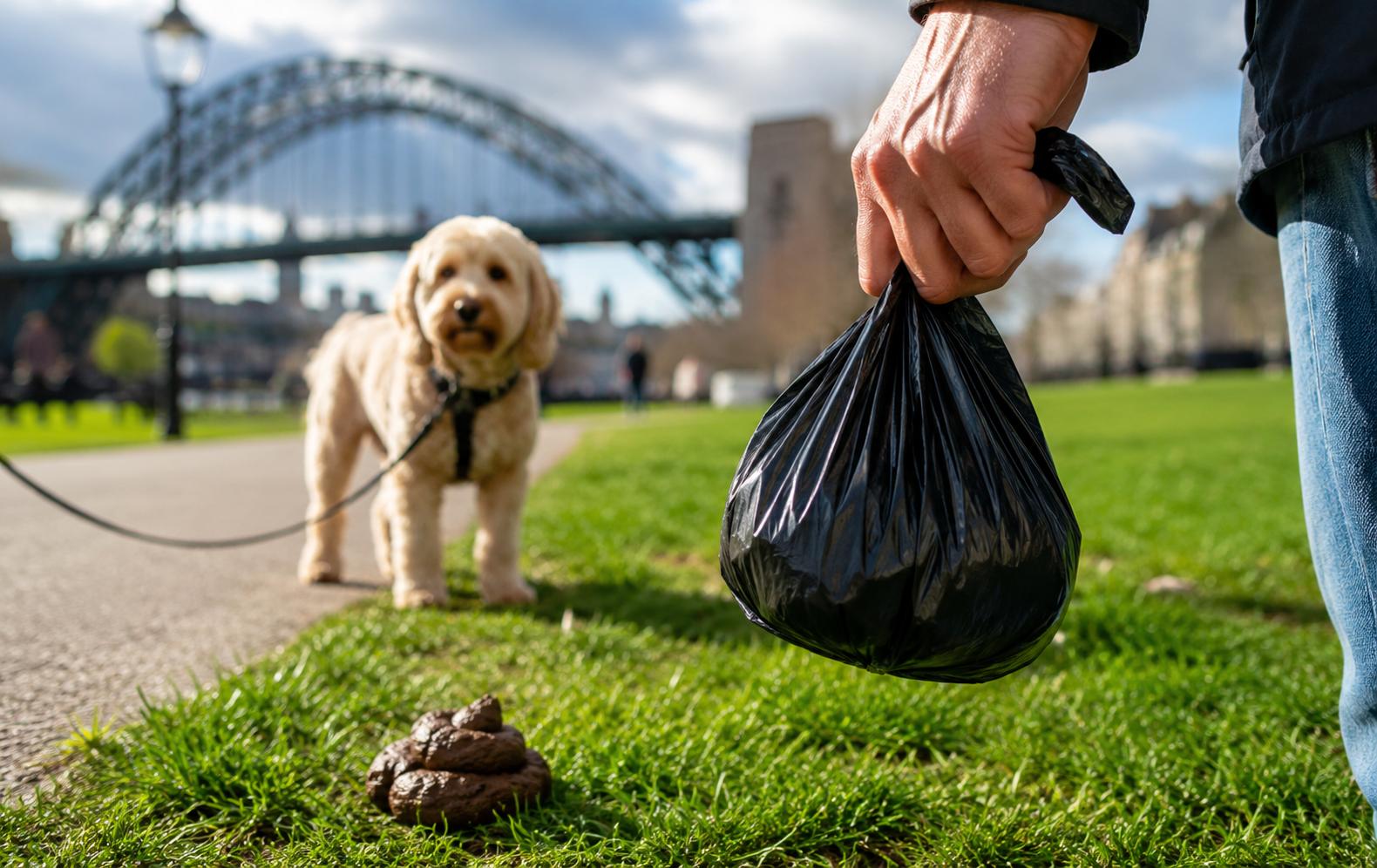
Responsible dog ownership starts with preparation. Carrying enough dog waste bags before leaving home is one of the simplest ways owners can avoid problems while out walking.
Waste should always be picked up immediately and disposed of in suitable bins. In many areas, standard public litter bins can be used for bagged dog waste unless signs state otherwise.
Dog owners are also encouraged to remain aware of local restrictions in parks and open spaces. Some areas may have additional rules regarding dogs being kept on leads or excluded from certain sections entirely.
Cleaning up after a dog quickly not only avoids fines but also helps maintain cleaner streets and public areas for everyone. Many residents say the majority of dog owners act responsibly, but frustration tends to focus on the small number who continue ignoring the rules.
Public opinion on dog fouling remains strong.
Community reaction to dog fouling issues remains strong, particularly on social media where residents frequently share complaints and photographs of affected areas. Concerns often rise during warmer months when parks and outdoor spaces become busier.
Some residents support tougher penalties and increased patrols, arguing that stronger enforcement is needed to change behaviour. Others believe greater public awareness and education could help reduce the problem long term.
Dog owners themselves are often among the most vocal critics of irresponsible behaviour. Many say that failing to clean up after pets damages the reputation of responsible owners who already follow the rules properly.
Councils across the UK continue balancing enforcement with education campaigns aimed at encouraging cleaner communities. The issue remains a recurring topic whenever public cleanliness and anti-social behaviour are discussed.
The wider impact on communities.
Beyond the immediate inconvenience, persistent dog fouling can affect how safe and welcoming an area feels to residents and visitors. Parks, footpaths and community spaces play a major role in daily life, especially for families and people who enjoy outdoor exercise.
When public spaces are poorly maintained or regularly affected by dog waste, complaints often increase and local pride can suffer. Local authorities therefore continue treating dog fouling as a quality-of-life issue rather than a minor nuisance.
As enforcement efforts continue, residents are being encouraged to report issues responsibly while dog owners are reminded that cleaning up after pets remains both a legal requirement and a basic part of responsible ownership.
Newcastle City Council’s media team were contacted for comment regarding this story last week, but did not respond to the news teams request.
Local News
Newcastle Dog Fouling Laws Explained - Fines, Enforcement and Rules
Advertisement




Comments (0)
You must be logged in to post comments.
Don't have an account? Register here
No comments yet. Be the first to share your thoughts!