
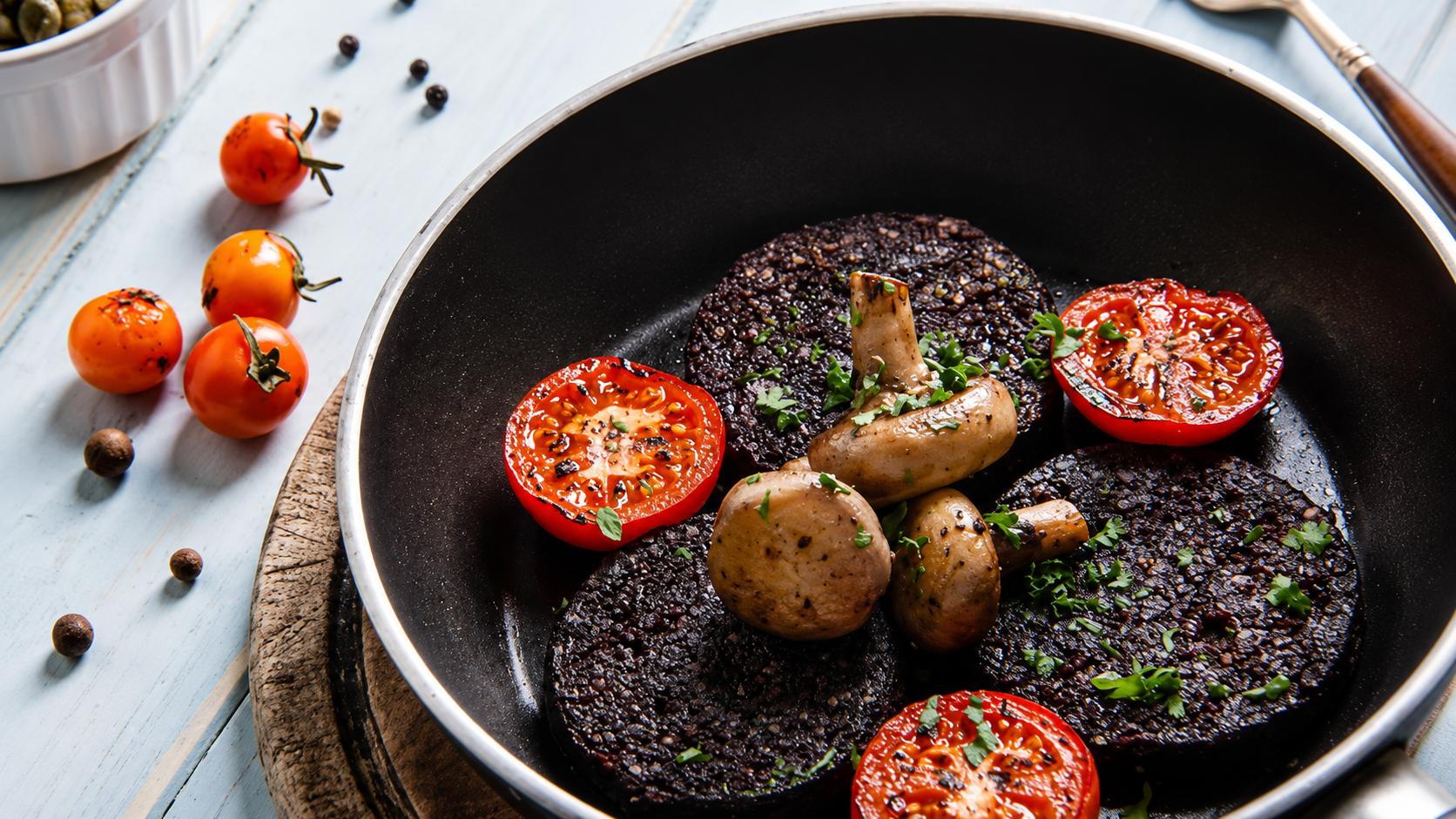
Black pudding, a distinctive type of blood sausage traditionally made from pork blood, fat and oatmeal, ranks among the most genuinely divisive foods within British cuisine, provoking strong reactions from both devoted fans and firm sceptics whenever it appears alongside a traditional full English or full Scottish breakfast across the country.
An Ancient Way to Avoid Waste.
The tradition of making blood sausages actually stretches back considerably further than most people realise, with evidence of similar dishes appearing across ancient Greek and Roman cuisine, reflecting a genuinely widespread historical practice of using every part of a slaughtered animal, including its blood, to avoid unnecessary waste at a time when food resources were considerably more precious than today.
Black pudding became particularly well established across Britain and Ireland during the medieval period, with regional variations developing independently across different parts of the country. Different regions developed their own distinct recipes, varying the specific ratio of blood, fat, oatmeal and seasoning used, creating a genuinely wide range of regional black pudding styles found across Britain and Ireland today.
Bury and Stornoway's Rival Reputations.
Bury, in Greater Manchester, has become particularly famous for its own distinctive style of black pudding, with the town's market specifically renowned for the quality and tradition surrounding its black pudding production, drawing visitors specifically keen to sample what many consider among the finest examples of the dish found anywhere in the country.
Stornoway, on the Isle of Lewis in Scotland, has achieved similar renown for its own distinctive black pudding, considered by many food enthusiasts to represent one of the very finest versions available, and Stornoway black pudding has since achieved Protected Geographical Indication status, formally recognising its genuinely specific regional heritage and traditional production methods.
More Nutritious Than It Looks.
Black pudding's nutritional profile is genuinely more impressive than its somewhat off-putting reputation might suggest, being notably rich in iron and protein, and some nutritionists have specifically highlighted these genuine nutritional benefits when discussing the dish, even as its basic ingredients continue to put off diners unfamiliar with, or simply uncomfortable with, the concept of blood-based food more generally.
Still Dividing Breakfast Tables Today.
Despite its divisive reputation, black pudding remains a genuinely popular component of the traditional full English and full Scottish breakfast, and pubs and cafés across Newcastle and the wider North East regularly include it as a standard breakfast option, reflecting its continued, if not universal, place within British breakfast culture more broadly.
Black pudding's journey from a genuinely practical, waste-avoiding medieval food to a distinctive, regionally celebrated British breakfast staple reflects a broader pattern within British culinary history, where dishes born from necessity gradually earn their own dedicated following. Whatever personal opinion diners hold, black pudding remains a genuinely significant, deeply historic part of British food culture.
Beyond the Breakfast Plate.
Chefs at more upmarket restaurants have increasingly experimented with black pudding beyond its traditional breakfast role, incorporating it into starters, salads and even some dessert preparations, taking advantage of its distinctive, rich flavour in genuinely creative new culinary contexts.
This growing culinary experimentation has helped introduce black pudding to diners who might otherwise never have tried it as part of a traditional breakfast, gradually building genuinely wider appreciation for the dish beyond its more divisive traditional reputation.
A Taste Worth Trying at Least Once.
Food writers regularly encourage sceptical diners to try black pudding at least once from a genuinely good producer, arguing that much of its poor reputation stems from lower quality versions rather than from anything inherently wrong with a well-made example of the dish. It remains a genuinely distinctive, historically rich part of British breakfast tradition.
Regional black pudding festivals, including events held specifically in Bury, continue drawing enthusiastic crowds each year, further evidence of just how much genuine affection and local pride the traditionally divisive dish continues to command across parts of the country. Whatever the final verdict of any individual diner, black pudding's genuine staying power across so many centuries speaks for itself.
Share your thoughts.
Are you a fan of black pudding or not?
Food & Drink News
Black Pudding: The History Behind Britain's Most Divisive Breakfast Food
Few foods split opinion quite like black pudding, yet this blood sausage has a genuinely ancient history stretching back considerably further than most people realise.
Advertisement


Comments (0)
You must be logged in to post comments.
Don't have an account? Register here
No comments yet. Be the first to share your thoughts!