
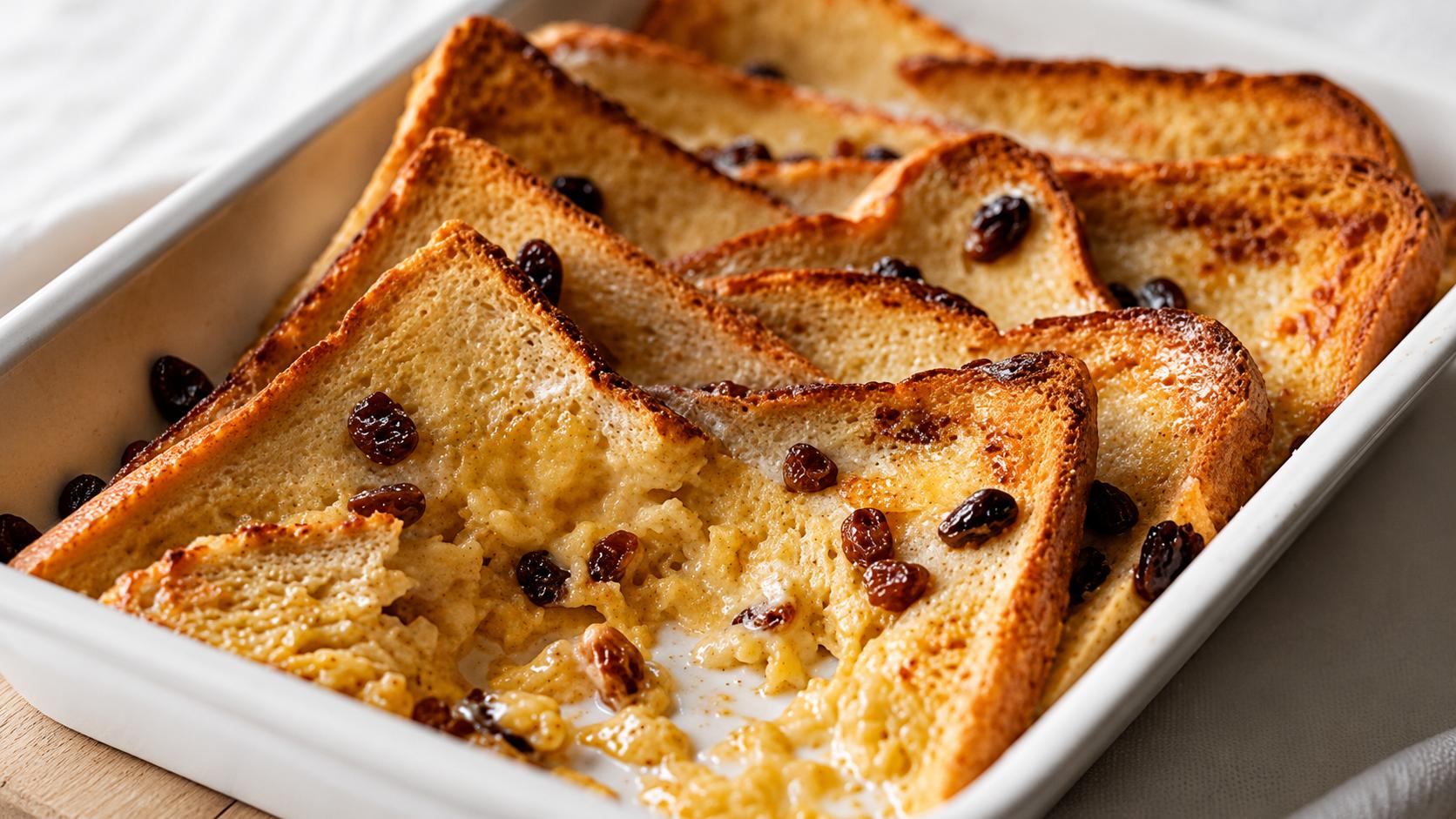
Bread and butter pudding, the classic British dessert combining buttered bread, dried fruit and a rich custard mixture baked until golden, represents one of the country's clearest and most enduring examples of resourceful, waste-avoiding home cooking, transforming what might otherwise be discarded stale bread into a genuinely comforting, well-loved dessert.
A Dish Born From Necessity.
The dish's origins trace back to at least the eighteenth century, developing from a longer British tradition of using stale bread in various dishes rather than allowing it to go to waste, at a time when bread represented a genuinely significant household expense that families could ill afford to simply throw away once it began going stale.
Early versions of the dish were sometimes known as "whitepot", a considerably simpler pudding combining bread, milk and sometimes eggs, gradually evolving over subsequent generations into the richer, more elaborate version featuring butter and dried fruit that most people would recognise as bread and butter pudding today.
How the Classic Version Developed.
The classic recipe involves layering slices of buttered bread, traditionally slightly stale, within a baking dish, interspersed with dried fruit, typically sultanas or raisins, before pouring over a rich custard mixture made from eggs, milk and sugar, allowing the bread to properly soak up the custard before baking until the top turns appropriately golden and slightly crisp.
The pudding became particularly associated with British boarding schools and institutional catering during the twentieth century, often prepared specifically using leftover bread from previous meals, cementing bread and butter pudding's reputation among many people as a genuinely nostalgic, if occasionally divisive, reminder of school dinners from their own childhood.
A Modern Comeback.
Bread and butter pudding experienced a genuine renaissance on gastropub and restaurant menus over recent decades, with chefs increasingly using higher quality bread, including brioche or panettone, alongside more elaborate flavourings including marmalade, chocolate or spiced fruit, elevating the traditionally humble dish into something genuinely more sophisticated.
Pubs and restaurants across Newcastle and the wider North East regularly feature their own versions of bread and butter pudding on seasonal dessert menus, reflecting the dish's continued genuine popularity. Its enduring appeal lies substantially in its comforting simplicity and the deeply satisfying way it transforms humble, everyday ingredients into a genuinely warming, well-loved dessert.
Perfect for Any Season.
Bread and butter pudding's warming character has made it a particularly popular winter dessert choice, though lighter versions incorporating fresh fruit have helped the dish find a place on menus throughout the warmer months too, proving its genuine year-round versatility.
Cafés and pubs across Newcastle and the wider North East regularly feature their own take on the dish, often as a specifically nostalgic addition to seasonal dessert menus, appealing to diners looking for a genuinely comforting reminder of traditional British home cooking.
A Dish That Rewards Good Bread.
While originally designed to use up stale bread, many modern versions now deliberately use higher quality bread specifically for the dish, proving that even genuinely humble, resourceful recipes can be elevated considerably simply by paying closer attention to the quality of ingredients used. It remains a genuinely reassuring reminder that nothing good needs to go to waste.
Some chefs have begun experimenting with savoury versions of the concept too, applying the same essential bread-and-custard technique to savoury ingredients, demonstrating the genuine underlying versatility of a technique originally developed purely out of practical, waste-avoiding necessity. That kind of thoughtful reinvention keeps a genuinely humble dish feeling properly relevant to modern diners.
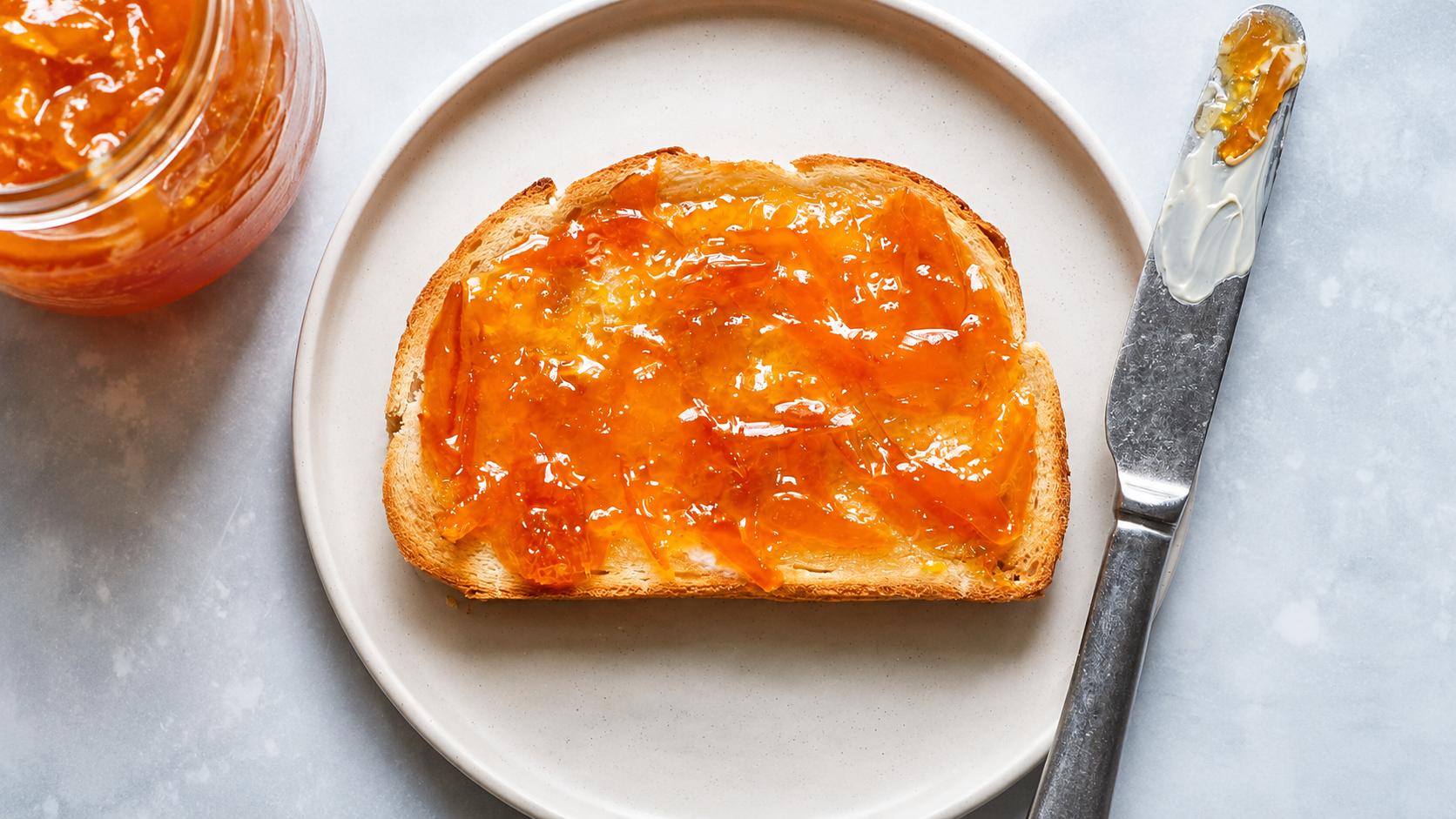
Marmalade has become an increasingly popular addition to modern bread and butter pudding recipes, spread onto the bread before layering, adding a genuinely distinctive citrus note that has helped introduce the traditional dessert to diners looking for something a little different from the classic version. Its continued popularity proves that genuinely good, simple food rarely goes out of fashion for very long.
It remains a genuinely dependable pudding whatever the season or the occasion.
Have your say.
What do you add to bread and butter pudding?
Food & Drink News
Bread and Butter Pudding: Turning Leftovers Into a British Classic
Bread and butter pudding stands as one of Britain's clearest examples of culinary thrift, transforming humble stale bread into a genuinely beloved comfort dessert.
Advertisement


Comments (0)
You must be logged in to post comments.
Don't have an account? Register here
No comments yet. Be the first to share your thoughts!