
The decision to award MPs a 5% pay rise from April 2026 has sparked renewed debate across the UK, particularly as many households continue to feel the effects of the cost of living crisis.
The Independent Parliamentary Standards Authority (IPSA) has confirmed that MPs' salaries will rise from £93,904 to £98,599 next year, despite concerns raised by Treasury ministers that the increase was higher than inflation forecasts and significantly above some public sector pay awards.
The increase means MPs will receive an additional £4,695 a year, while longer-term plans suggest parliamentary salaries could eventually rise to around £110,000 by 2029.
For many residents across Newcastle and the wider North East, the announcement is likely to raise questions about fairness, priorities and whether politicians are experiencing the same economic pressures as the communities they represent.
MPs Receive Inflation-Beating Pay Rise.
The pay increase was approved by IPSA, the independent body responsible for setting MPs' salaries and overseeing parliamentary expenses.
Treasury Chief Secretary James Murray reportedly objected to the proposal, arguing that it exceeded both inflation forecasts and expected wage growth across the wider economy. Reports indicate he believed the increase would be difficult to justify given the current financial climate and lower pay settlements being offered elsewhere in the public sector.
However, IPSA operates independently from government and ministers have no power to block its decisions.
Under the new arrangement, MPs will receive almost £100,000 per year before any additional ministerial salaries or allowances are taken into account.
The increase comes despite forecasts suggesting inflation could remain closer to 2.2% during the relevant period, meaning the 5% rise represents a real-terms increase in earnings.
Supporters of the decision argue that MPs' salaries should keep pace with comparable senior public sector roles and reflect the growing demands of modern parliamentary life.
Critics, however, see the rise as poorly timed when many households continue to struggle financially.
Why IPSA Approved The Increase.
IPSA has defended the decision by highlighting the changing nature of an MP's role.
According to the watchdog, constituency casework has become increasingly complex, public expectations have risen and security concerns have become more significant in recent years.
MPs now deal with thousands of constituent enquiries every year covering everything from immigration issues and housing concerns to welfare support and healthcare access.
The watchdog also pointed to evidence showing that many MPs and their staff face abuse, threats and intimidation while carrying out their duties.
Supporters argue that attracting talented candidates from a wide range of professional backgrounds requires competitive salaries. They claim Parliament should not become a workplace only accessible to the wealthy or those willing to take significant pay cuts.
While that argument has supporters, many voters remain unconvinced that now is the right time for such a substantial increase.
What The Pay Rise Means For Newcastle's MPs.
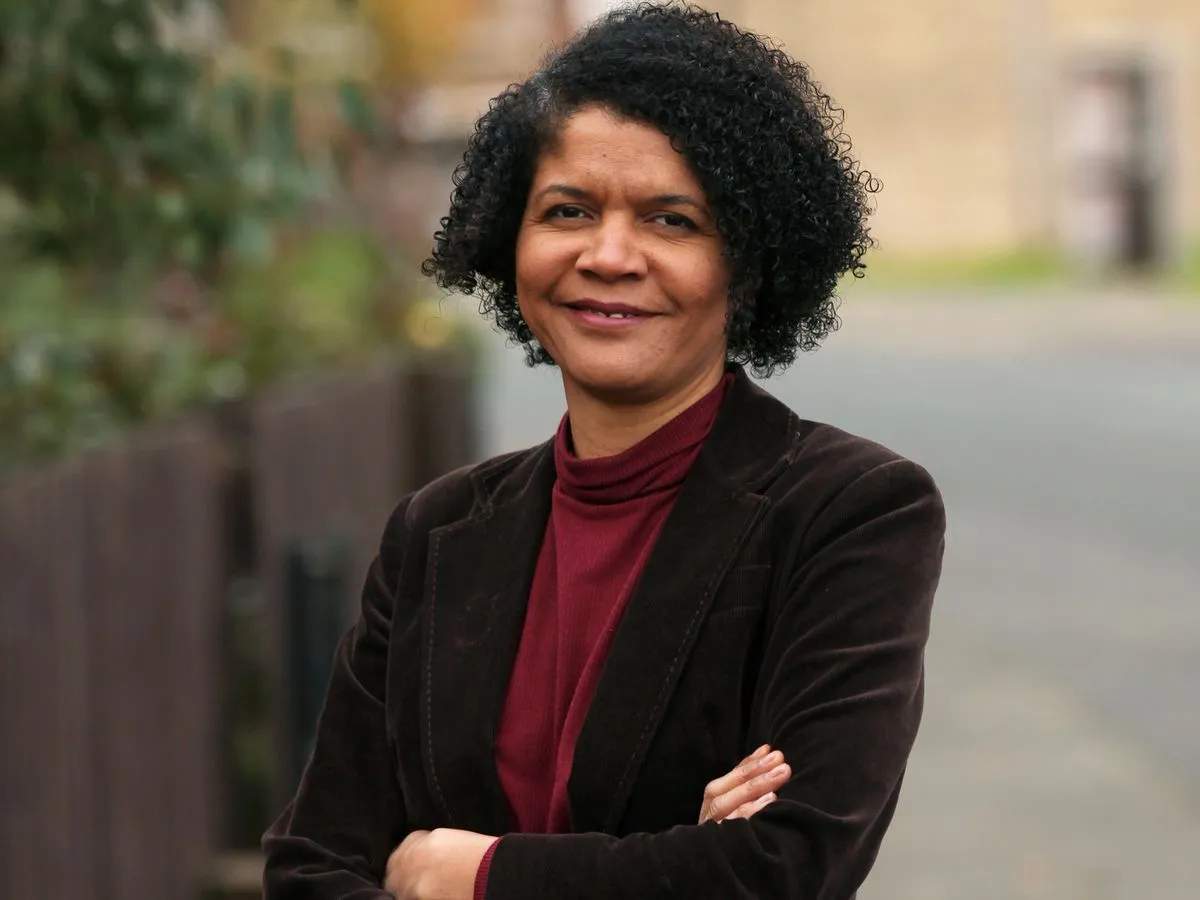
The pay rise will directly affect Newcastle's parliamentary representatives, including Dame Chi Onwurah, MP for Newcastle upon Tyne Central and West, Catherine McKinnell, MP for Newcastle upon Tyne North, and Mary Glindon, MP for Newcastle upon Tyne East and Wallsend.
Like every MP across the country, they will have seen their annual parliamentary salary rise from £93,904 to £98,599 from April 2026.
For Dame Chi Onwurah, one of Newcastle's most recognisable political figures, the increase arrives during a period when cost of living concerns remain among the biggest issues facing local residents.
Onwurah has represented Newcastle in Parliament since 2010 and has frequently campaigned on issues including economic growth, digital investment, skills development and support for North East businesses.
However, regardless of political affiliation, salary increases for elected representatives often attract public scrutiny.
Many Newcastle residents are likely to compare the rise with their own pay settlements and household budgets. While IPSA, rather than MPs themselves, makes the decision on salaries, public perception often focuses on the final outcome rather than the process behind it.
The debate is unlikely to centre solely on whether MPs deserve to be paid fairly. Instead, it may focus on whether such increases feel appropriate during a period when many households remain under financial pressure.
Newcastle Households Continue To Feel The Cost Of Living Squeeze.
Although inflation has fallen significantly from the highs experienced during the energy crisis, many everyday costs remain substantially higher than they were only a few years ago.
Across Newcastle, families continue to face rising costs for groceries, housing, transport, childcare and utilities.
According to official inflation figures, food prices increased dramatically during the cost of living crisis and while price rises have slowed, most products have not returned to previous levels.
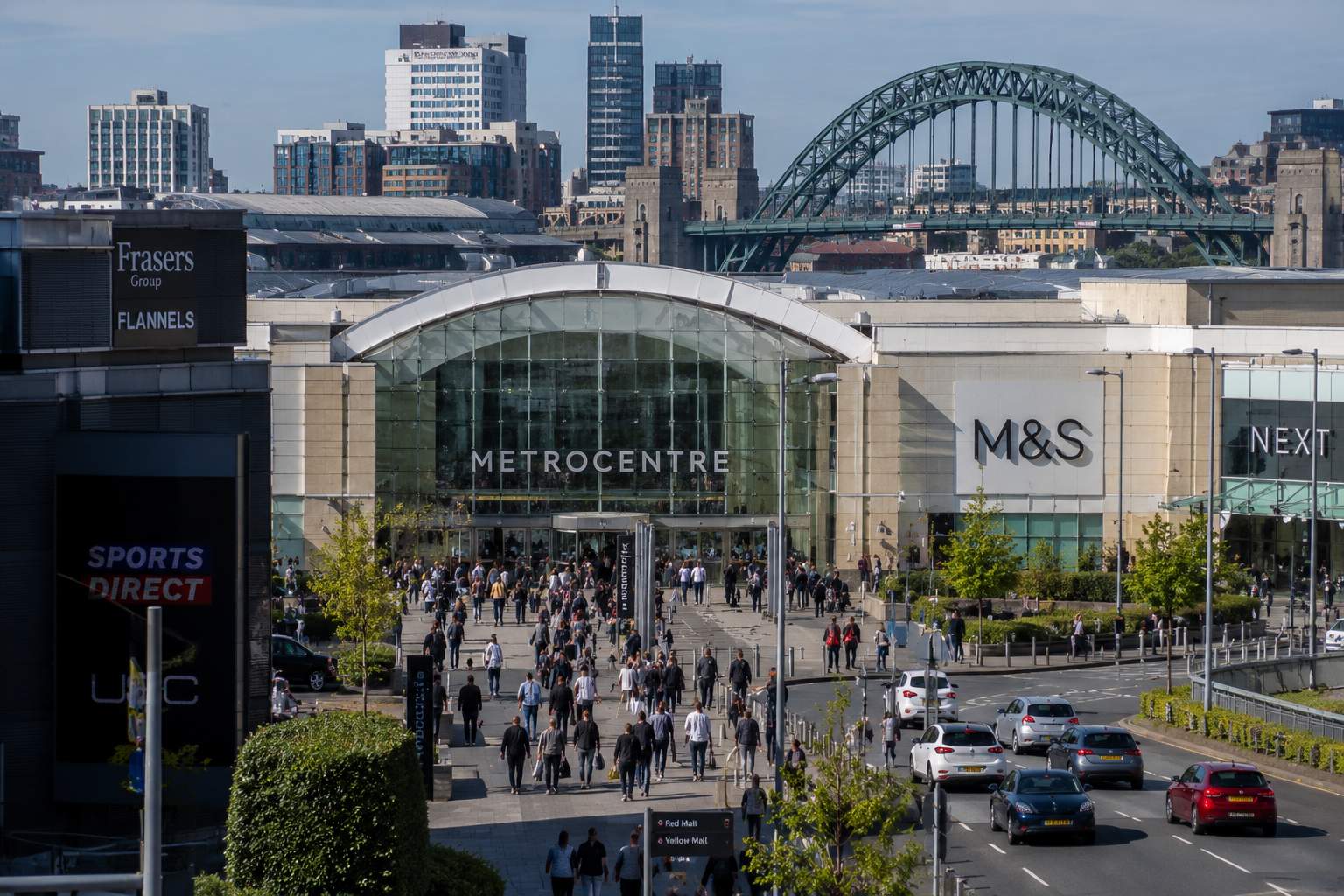
Residents shopping in Newcastle city centre, Byker, Gosforth, Walker and other communities continue to report that weekly food shops cost considerably more than they did before the pandemic.
Energy prices remain another major concern.
Although government support schemes helped households during the peak of the crisis, many residents are still paying far more for gas and electricity than they were several years ago.
Mortgage holders have also faced increased costs following higher interest rates, while renters continue to experience pressure from rising rents.
Against this backdrop, the announcement of a 5% salary increase for MPs is likely to generate strong reactions among some voters.
Public Sector Workers Face A Different Reality.
One of the most controversial aspects of the decision is how it compares with pay awards elsewhere.
Many public sector workers have received lower increases than MPs.
Nurses, council workers, teachers and other public servants have all been involved in discussions about pay levels in recent years.
Trade unions have repeatedly argued that wage growth has failed to keep pace with the rising cost of living experienced by workers since 2021.
For Newcastle residents employed in hospitals, schools, local authorities and emergency services, comparisons between their own pay awards and those received by MPs may feel particularly stark.
Many public sector employees have faced years of pressure from inflation while also dealing with increasing workloads and staffing challenges.
The contrast has become a central part of the public debate surrounding MPs' salaries.
Frozen Tax Thresholds Continue To Hit Workers.
Another issue frequently raised by critics is the continued freeze on income tax thresholds.
While many workers have received pay increases in recent years, frozen tax bands mean a growing number are paying more tax.
The personal allowance and higher-rate tax thresholds have remained largely unchanged, creating what economists often describe as fiscal drag.
As wages increase, more workers find themselves paying higher levels of tax even though their real spending power may not have improved significantly.
For many Newcastle residents, this means salary increases do not necessarily translate into substantially higher disposable income.
Some households are effectively paying more tax while simultaneously facing higher costs for food, energy, transport and housing.
Critics argue this creates a perception gap when politicians receive salary increases that exceed inflation.
MPs' Salaries Could Reach £110,000 By 2029.
Perhaps the most eye-catching element of IPSA's plans is the suggestion that MPs' salaries could eventually reach approximately £110,000 by the end of the current Parliament.
That would represent a substantial increase over current levels and place MPs among some of the highest-paid elected representatives in Europe.
IPSA argues the move would bring parliamentary salaries closer to comparable senior public sector roles and leadership positions.
However, critics believe the figure could become increasingly difficult to justify if economic growth remains sluggish and living standards fail to improve for ordinary households.
The prospect of MPs earning six-figure salaries is already generating discussion across social media and political forums.
For many voters, the debate is about more than the numbers involved. It is about trust, priorities and whether politicians remain connected to the experiences of ordinary people.
Additional Parliamentary Budgets Are Also Increasing.
The salary increase is only one part of a broader rise in parliamentary spending.
IPSA's budget for the coming years includes increases for staffing, office costs, accommodation support and various operational expenses.
Supporters argue these resources are necessary because MPs face growing workloads and increasingly complex constituent cases.
Many MPs now employ teams of caseworkers and researchers to help manage the demands of representing tens of thousands of constituents.
Critics, however, question whether taxpayers are receiving sufficient value for money.
With pressure continuing on local councils, the NHS and other public services, any increase in political spending is likely to face scrutiny.
What Newcastle Residents Are Likely To Think.
The reaction across Newcastle is unlikely to be uniform.
Some residents may agree that MPs should receive competitive salaries and adequate support to perform their roles effectively.
Others will view the increase through the lens of their own financial circumstances.
For households dealing with rising bills, higher mortgage payments and stretched budgets, a near £4,700 annual increase for MPs may feel difficult to justify.
Public trust in politics remains an important issue nationally and locally.
The way voters perceive decisions such as this can often have a significant impact on confidence in political institutions.
As a result, the debate over MPs' pay is unlikely to disappear anytime soon.
The Debate Over Fairness Continues.
The decision to increase MPs' salaries by 5% reflects a wider national conversation about pay, public spending and economic fairness.
Supporters argue that MPs perform demanding jobs, face increasing security concerns and should be compensated appropriately.
Critics believe politicians should experience the same financial realities facing ordinary households and question whether such a large increase is appropriate during a period of ongoing economic pressure.
For Newcastle residents, the issue is likely to resonate because it touches directly on everyday concerns about living standards, taxation and the cost of essentials.
Whether voters support or oppose the increase, one thing is certain. The debate over MPs' pay and how it compares to the experiences of ordinary people is likely to remain firmly in the spotlight for years to come.
What do you think about Chi Onwurah and other MPs receiving a 5% pay rise?
Local News
Chi Onwurah Receives Pay Boost While Newcastle Households Face Financial Pressure
Advertisement


Comments (0)
You must be logged in to post comments.
Don't have an account? Register here
No comments yet. Be the first to share your thoughts!