
A pioneering clinical trial taking place in Newcastle is helping to reshape how experts think about treating severe depression, offering new hope to patients who have exhausted conventional options.
For decades, psychedelic substances such as psilocybin have largely been associated with counterculture movements and recreational drug use. Today, however, researchers and NHS specialists in the North East are investigating whether carefully controlled psychedelic-assisted therapy could provide relief for people living with treatment-resistant depression.
At the centre of this work is Dr Mourad Wahba, a consultant psychiatrist based at the Cumbria, Northumberland, Tyne and Wear NHS Foundation Trust. Working through the Northern Centre for Mood Disorders, a partnership between the NHS trust and Newcastle University, Dr Wahba is helping lead some of the UK's most significant research into psychedelic treatments.
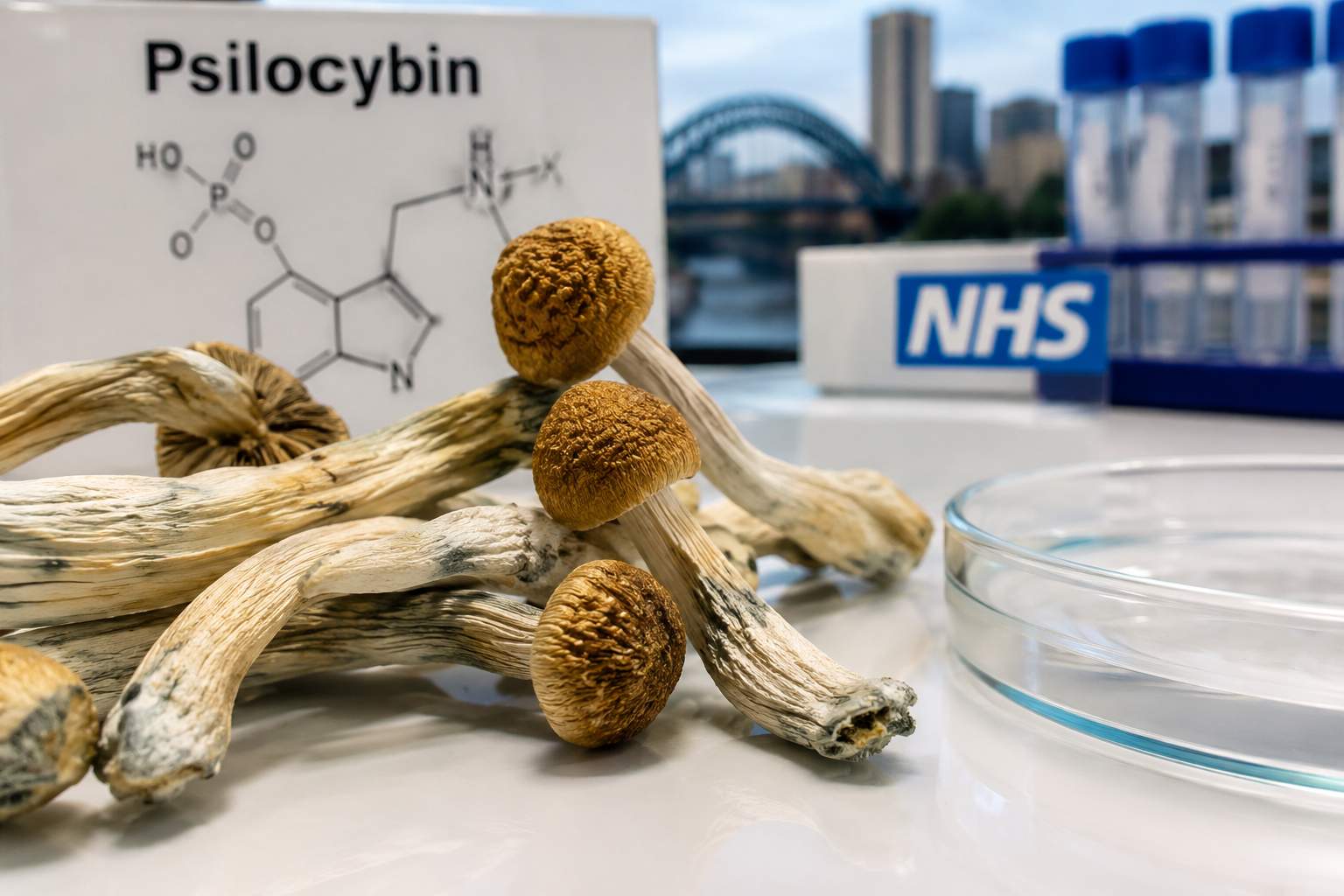
The latest study, known as COMP006, is examining whether a synthetic form of psilocybin can safely and effectively reduce symptoms in people whose depression has not responded to standard treatments.
Newcastle at the Forefront of Mental Health Innovation.
The North East has become an important location in the growing field of psychedelic medicine research. Newcastle's involvement stretches back several years, with local researchers participating in some of the earliest international studies investigating psilocybin-based treatments.
According to Dr Wahba, the region has built a reputation for delivering high-quality clinical research while maintaining rigorous patient safety standards.
The current COMP006 trial forms part of a wider international programme investigating COMP360, a laboratory-produced version of psilocybin. Researchers are assessing how the treatment affects people diagnosed with treatment-resistant depression, a condition that can leave sufferers battling symptoms despite trying multiple medications and therapies.
For many participants, traditional antidepressants have failed to provide meaningful improvements, making alternative approaches an important area of investigation.
Understanding How Psilocybin Therapy Works.
Unlike conventional antidepressants, which are typically taken daily, psychedelic-assisted therapy aims to create profound changes in the way the brain processes thoughts, emotions and experiences.
Researchers believe psilocybin may temporarily disrupt established patterns of thinking, allowing patients to view themselves, their memories and their emotions from a different perspective.
Dr Wahba explains that the experience can be intensely personal and often difficult to describe. Some participants report powerful emotional breakthroughs, while others experience challenging moments that require careful support from trained professionals.
During the sessions, patients are closely monitored by specialists before, during and after treatment. Extensive preparation and follow-up care form a crucial part of the process.
Experts stress that the treatment is not simply about taking a substance. The psychological support surrounding the experience is considered equally important to achieving positive outcomes.
Patients Describe Life-Changing Experiences.
Although researchers remain cautious about making broad claims, some participants have described the therapy as transformative.
Dr Wahba said several patients have reported gaining insights that changed how they viewed long-standing emotional difficulties. In some cases, those insights have continued to influence their wellbeing months after treatment.
Importantly, not every experience is positive from start to finish. Some participants encounter difficult emotions or revisit painful memories. However, clinicians believe that working through these challenges in a safe environment may contribute to therapeutic benefits.
Mental health specialists involved in the research repeatedly emphasise that psychedelic therapy is not a miracle cure. Instead, it represents another potential treatment option that may help a specific group of patients.
Promising Results From International Trials.
Interest in psychedelic medicine has grown significantly following encouraging results from major clinical studies.
Earlier this year, Compass Pathways announced that its Phase 3 COMP006 trial achieved its primary objective, showing statistically significant improvements in depressive symptoms among participants receiving the higher dose of COMP360. The company reported clinically meaningful reductions in symptom severity, with 39% of participants in the 25mg treatment group experiencing notable improvements.
Researchers also highlighted that positive effects were observed rapidly, with some benefits appearing as early as the day after treatment and continuing through the six-week study period.
These findings build on earlier Phase 3 data that showed a single dose of COMP360 could significantly reduce symptoms in people with treatment-resistant depression.
The Scale of the Depression Challenge.
The need for new mental health treatments remains substantial.
Depression is one of the leading causes of disability worldwide, affecting millions of people and placing enormous pressure on healthcare systems. The World Health Organization has previously projected that depressive disorders will become one of the world's most significant health burdens.
Research suggests that around 30% of people diagnosed with major depressive disorder may develop treatment-resistant depression, meaning they do not respond adequately to at least two standard treatment approaches.
For these patients, the impact can be severe, affecting employment, relationships and overall quality of life.
That reality is one reason why Newcastle researchers are continuing to explore innovative solutions despite the challenges involved.
Balancing Hope With Caution.
While excitement around psychedelic therapy continues to grow, experts are keen to avoid unrealistic expectations.
Dr Wahba believes psychedelics are often viewed through extremes, either as dangerous substances or as miracle treatments. In reality, he argues, the evidence must be assessed carefully and objectively.
Clinical trials remain essential because they allow researchers to fully understand both the benefits and potential risks. Some patients may experience anxiety, distress or other adverse reactions, which is why treatment is delivered within highly structured medical settings.
Regulatory approval has not yet been granted in the UK, and further analysis will be required before psychedelic-assisted therapies become widely available through healthcare services.
Nevertheless, with Newcastle playing a leading role in international research efforts, the city is helping shape conversations that could influence mental health treatment for years to come.
What Comes Next for Newcastle's Research Community.
As additional studies are planned across the North East, researchers hope to learn more about who benefits most from psychedelic therapy and how treatments can be delivered safely on a larger scale.
For now, the work taking place in Newcastle represents one of the most closely watched developments in modern psychiatry. Whether psychedelic-assisted therapy ultimately becomes a mainstream treatment remains to be seen, but many researchers believe the field is entering a pivotal moment.
With depression continuing to affect thousands of families across Newcastle and the wider North East, the search for new solutions has never been more important.
What do you think about Newcastle's role in psychedelic mental health research?
Health
Could Magic Mushroom Therapy Transform Mental Health Care in Newcastle?
Advertisement





Comments (0)
You must be logged in to post comments.
Don't have an account? Register here
No comments yet. Be the first to share your thoughts!