
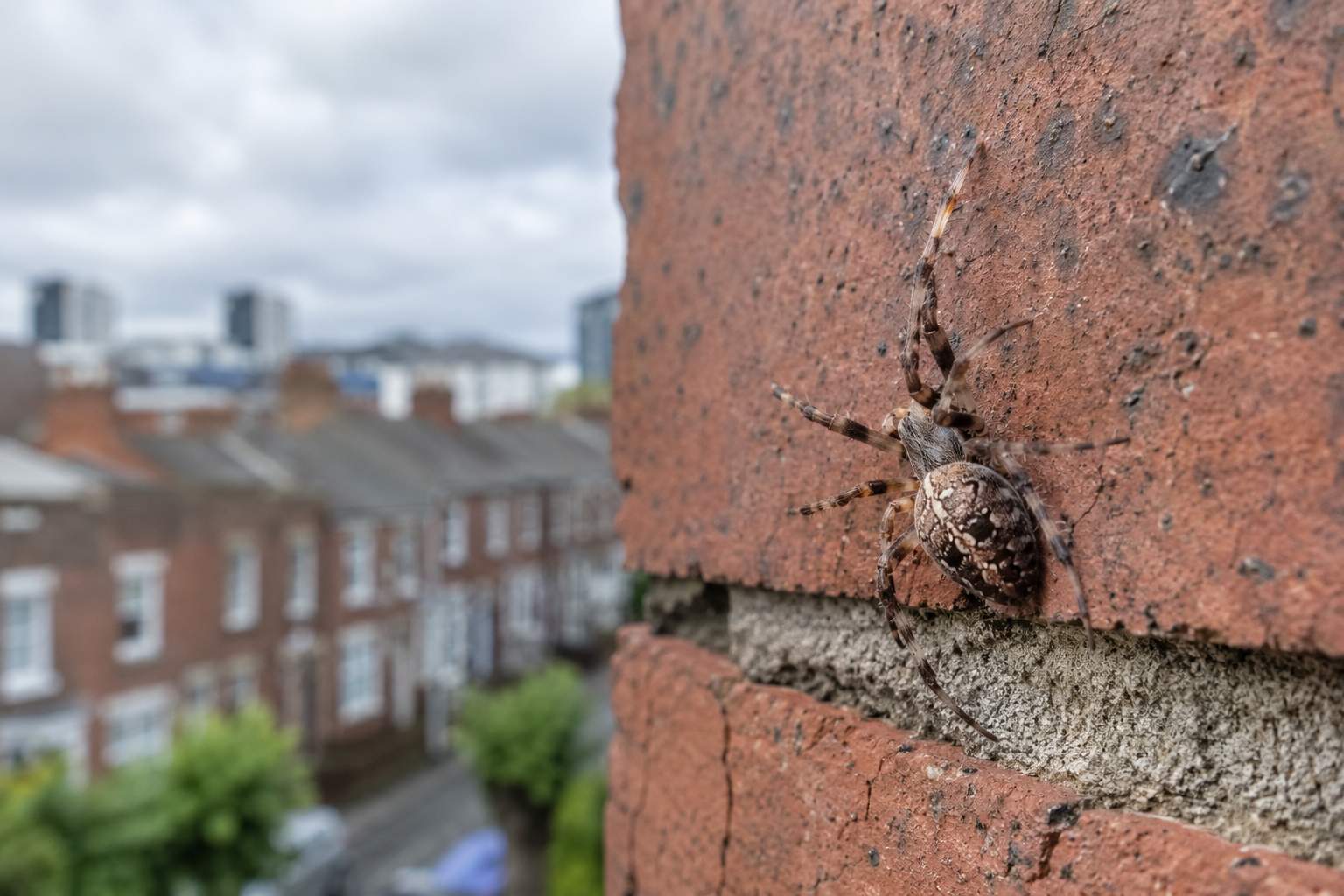
Health experts are warning that the rapid spread of the noble false widow spider across Britain could be contributing to a significant increase in hospital admissions linked to spider bites, with concerns growing that northern cities including Newcastle may see more encounters in the years ahead.
New figures obtained from NHS data reveal that hospital admissions in England caused by contact with spiders or the toxic effects of spider bites have more than doubled over the past decade. In 2015, there were 47 admissions recorded. By 2025, that number had climbed to 100.
Researchers believe the increase is closely connected to the expanding population of the noble false widow spider, a species that has become one of Britain's most talked-about arachnids.
Growing Numbers Raise Questions.
The noble false widow spider, scientifically known as Steatoda nobilis, was first recorded in southern England during the late 19th century after arriving from Madeira and the Canary Islands. Since then, its range has steadily expanded northward across the UK.
Experts now report sightings in many urban areas, including parts of the North East. Wildlife groups and pest control specialists have confirmed occasional false widow sightings in Newcastle and surrounding areas in recent years, reflecting the species' continued spread throughout Britain.
According to provisional NHS figures, hospital admissions linked to spider bites rose sharply after 2021. Admissions increased from 43 cases in 2021 to 95 in 2022. The figure remained high in both 2023 and 2024, with 91 admissions recorded in each year before reaching 100 in 2025.
While these numbers remain relatively low compared with other causes of hospital visits, experts say the trend is worth monitoring.
Why Are False Widow Spiders Spreading?
Scientists point to several factors behind the growing population of false widow spiders.
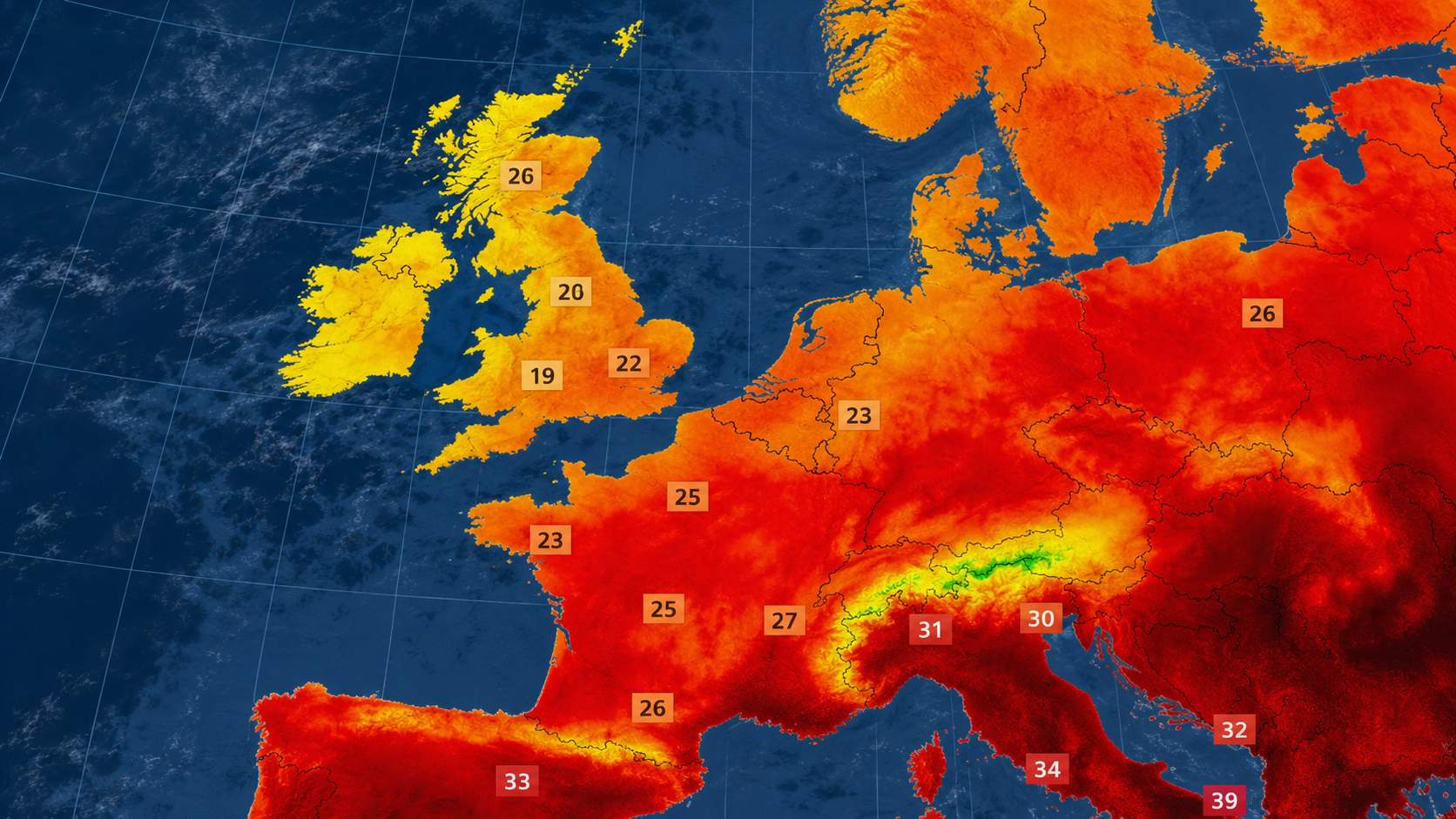
One of the most significant is Britain's warming climate. Research from the Met Office shows that the UK's average temperature has increased by approximately 1.2C since the pre-industrial era, creating conditions that allow species from warmer regions to survive and reproduce more successfully.
Urban environments also provide ideal habitats. False widows are commonly found around homes, sheds, garages, fences and outdoor furniture. Their preference for living close to people increases the chances of accidental encounters.
For residents in cities such as Newcastle, where housing developments continue to expand and temperatures remain relatively mild compared with previous decades, experts say sightings could become more common.
What Happens If A False Widow Bites?
Most false widow bites are not considered life-threatening, but they can be painful.
Experts describe the sensation as similar to, or sometimes worse than, a wasp sting. Common symptoms include swelling, redness, itching and localized pain around the bite area.
In some cases, people may experience more severe reactions, particularly if they have underlying health conditions or allergies.
Professor Clive Hambler, an ecologist from Oxford University, believes many people underestimate the potential risks associated with the species.
He argues that while the venom itself causes discomfort, some of the more serious complications may arise from bacteria introduced during a bite. These rare complications can include infection and, in extreme circumstances, more serious medical conditions requiring hospital treatment.
Medical professionals stress that severe outcomes remain uncommon and that most individuals recover without significant intervention.
Newcastle Residents Urged To Stay Aware.
Although false widow spiders are more frequently associated with southern England, wildlife experts say northern cities should not assume they are immune from the species' expansion.
Newcastle's growing urban landscape provides many of the sheltered environments that false widows favour. Garden sheds, outdoor storage areas, brick walls and window frames can all offer suitable nesting locations.
Local pest control businesses across the North East have reported increasing public awareness of the species, particularly during warmer months when spiders become more active.
Experts advise Newcastle residents not to panic if they encounter a false widow. Instead, they recommend avoiding direct handling and using a container to relocate spiders if necessary.
Experts Differ On The Level Of Risk.
Not all scientists agree on how dangerous false widow spiders truly are.
Dr Michel Dugon, a venom specialist at the University of Galway, acknowledges that the species is capable of delivering a painful bite but notes that confirmed serious cases remain rare.
He points out that increased media attention may also contribute to rising reports, with some individuals mistakenly attributing skin reactions or insect bites to false widow spiders.
Similarly, Professor Adam Hart from the University of Gloucestershire says there is currently little evidence to suggest the public should be overly concerned.
According to Hart, false widows are not naturally aggressive and typically bite only when trapped against the skin or handled directly.
This view is supported by wider statistics. NHS England recorded over 25 million A&E attendances during 2024-25, meaning spider-related admissions represented a tiny fraction of overall hospital activity.
How To Reduce The Risk Of Spider Bites.
Experts recommend several practical steps for homeowners looking to minimise the likelihood of spider encounters.
Regularly cleaning sheds, garages and storage areas can help reduce suitable hiding places. Wearing gloves while gardening or moving outdoor items is also advised.
Residents should check shoes, gloves and clothing that have been left outside before putting them on.
If a bite occurs and symptoms become severe, medical advice should be sought immediately, particularly if swelling spreads rapidly or signs of infection develop.
A Changing Relationship With Britain's Wildlife.
The rise of the false widow spider highlights how Britain's ecosystems continue to evolve.
Species once considered rare are increasingly becoming part of everyday life as climate patterns shift and wildlife adapts to urban environments. While experts continue to debate the precise risks posed by false widows, there is broad agreement that awareness is beneficial.
For cities like Newcastle, where wildlife and urban development increasingly overlap, understanding these changes will become an important part of living alongside nature.
As more sightings are reported across the UK, the false widow spider is likely to remain a subject of public fascination and scientific study for years to come.
Have you spotted a false widow spider in Newcastle or elsewhere in the North East?
Local News
False Widow Spider Population Boom Sparks Health Warning Across UK
Advertisement



Comments (0)
You must be logged in to post comments.
Don't have an account? Register here
No comments yet. Be the first to share your thoughts!