
Farming is the backbone of the rural economy, and nowhere is that more true than in the North East, with its great expanses of upland farmland in Northumberland and beyond. Over the past year, the region's farmers, like those across the country, have been gripped by a fierce debate over changes to inheritance tax that many feared could threaten the future of family farms.
The Heart of the Countryside.
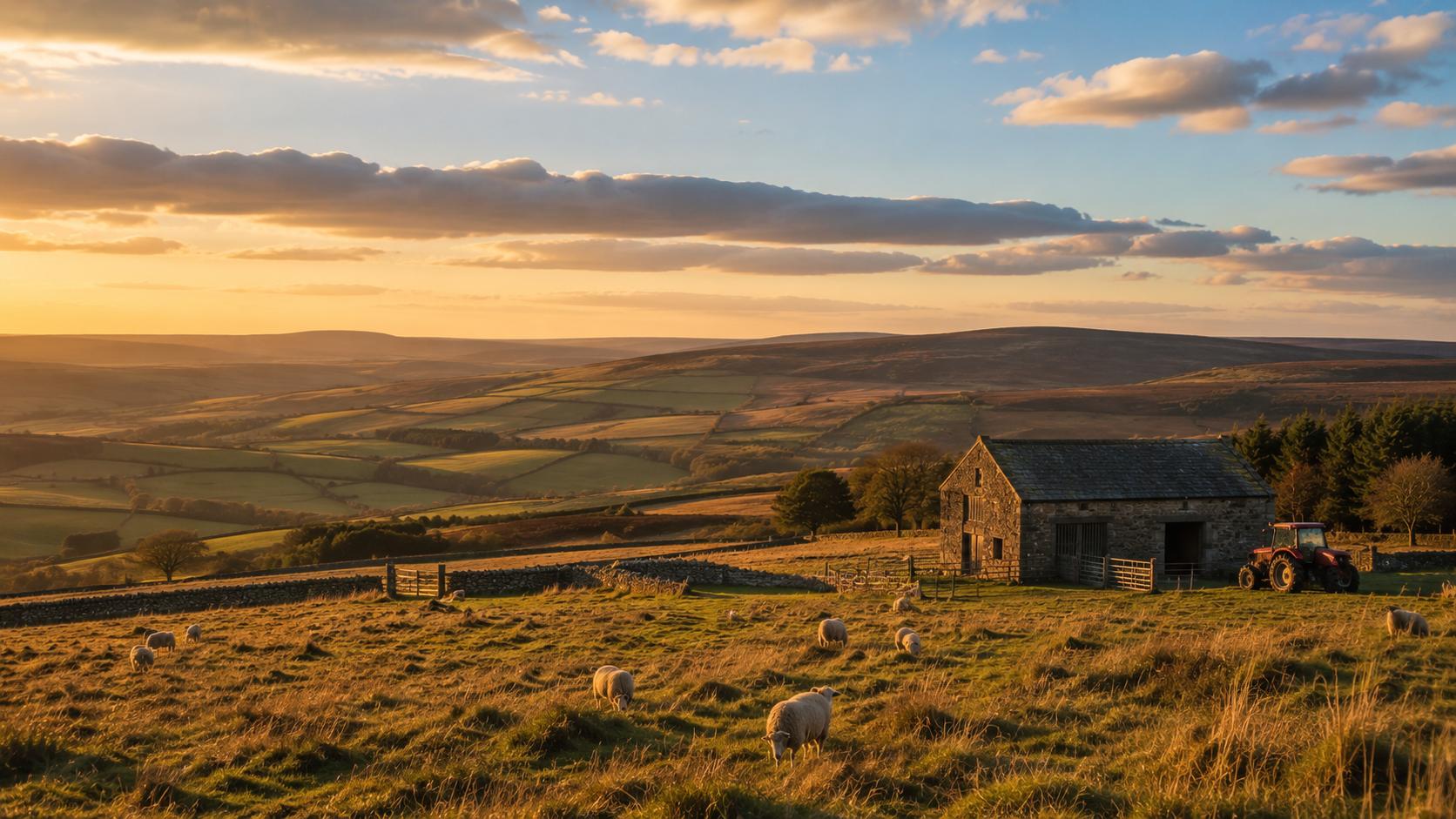
Farming is central to the life and economy of the countryside, providing food, shaping the landscape, and sustaining rural communities. In the North East, with its large rural areas and its tradition of upland farming, agriculture is a vital part of the regional economy and way of life.
Family farms, often passed down through generations, are the backbone of this rural economy. Their fortunes matter not just to the farming families themselves but to the wider rural communities they sustain.
The Inheritance Tax Row.
The issue that has dominated the past year for farmers has been changes to the way inheritance tax applies to agricultural property. Under long-standing rules, agricultural property had been able to pass between generations free of inheritance tax, but the government announced plans to cap this relief, so that the value of farms above a certain threshold would face the tax.
The announcement prompted a storm of protest from farmers, with demonstrations across the country and warnings that the changes could be devastating for family farms. The debate became one of the most heated political issues affecting rural communities in years.
The Farmers' Concerns.
At the heart of the farmers' concerns was the fear that the changes could force the break-up or sale of family farms. Farms are often asset-rich but cash-poor, meaning that while the land may be worth a great deal on paper, farming families may not have the cash to pay a large tax bill.
The worry was that families could be forced to sell land, or even the whole farm, to pay the tax, ending generations of family farming and undermining food production. Farmers also argued that the value of farmland bears little relation to the modest incomes that farming generates.
The Government's Case.
The government, for its part, argued that the changes were necessary and fair, and that they were targeted at the wealthiest estates rather than ordinary family farms. It maintained that the majority of farms would not be affected, and that it was right for larger estates to contribute more.
The government also pointed to its wider support for farming, including significant funding for the sector. It framed the changes as part of a broader effort to ensure the tax system is fair while continuing to back British farming and food security.
A Significant Climbdown.
After months of protest and pressure, the government announced a significant change to its plans. The threshold below which agricultural property would remain free of the tax was raised substantially, and made transferable between spouses, meaning that couples could pass on a much larger amount free of inheritance tax.
Under the revised plans, the great majority of farming estates are expected to pay no additional inheritance tax. The change was welcomed by farming representatives as bringing significant relief to many family farms, though they noted that some farms would still face a tax bill.
Beyond the Tax.
While the inheritance tax row has dominated the headlines, farming faces wider challenges that affect the rural economy. Farm incomes are often low and volatile, costs have risen, and farmers face the demands of adapting to environmental priorities and changing patterns of support.
Food security, the importance of producing food at home rather than relying on imports, has also risen up the agenda. These wider issues are central to the future of farming and the rural economy, in the region and across the country.
Why It Matters Here.
For the North East, with its large rural areas and its tradition of upland farming, the health of the farming sector matters greatly. The region's many family farms are central to its rural communities and economy, and the inheritance tax debate was followed closely here.
Ensuring a viable future for the region's farms, and for the rural communities they sustain, is an important part of the region's wider economic picture. The countryside is not just a place of beauty but a working landscape and a vital part of the economy.
Reaping the Future.
The debate over inheritance tax has put the spotlight on farming and the rural economy, raising profound questions about the future of family farms. Following a significant climbdown by the government, most farms are now expected to be spared additional tax, bringing relief to many, though challenges remain.
For the North East, with its proud farming tradition, the future of the rural economy is a matter of real importance. Sustaining the family farms that are the backbone of the countryside, while ensuring fairness in the tax system, is a balance that matters to communities across the region.
More Than a Living.
The intensity of the debate over the future of family farms reflects the fact that, for many farming families, farming is more than a living: it is a way of life, an identity, and a connection to the land that stretches back through generations. The family farm, often worked by the same family for many generations, embodies a deep relationship with the land and a commitment to stewardship that goes beyond mere economics.
This is part of why the prospect of farms being broken up or sold caused such anxiety, for it threatened not just livelihoods but a way of life and a heritage that families had worked for generations to build and pass on. It also reflects the particular character of farming as a business, in which the assets, the land and the farm, are not merely investments to be bought and sold but the very basis of the family's life and work, passed from one generation to the next.
Understanding this helps to explain the strength of feeling that the inheritance tax debate aroused, and the relief that the subsequent climbdown brought to many farming families. At the same time, the debate raised genuine questions about fairness and the contribution that the wealthiest estates should make, questions on which reasonable people may disagree.
Beyond the tax debate, the wider challenges facing farming, from low and volatile incomes to the demands of environmental stewardship and the importance of food security, will continue to shape the future of the rural economy. For the North East, with its strong farming tradition, the future of farming matters not just to farming families but to the rural communities and landscapes that farming sustains.
Supporting a viable and sustainable future for the region's farms is an important part of caring for its countryside and rural communities.
Share your thoughts.
After a fierce row, the government raised the inheritance tax threshold for farms, sparing most family farms additional tax, though challenges for the rural economy remain.
How important is farming to the future of the rural North East?
Business News
Down on the Farm: Inheritance Tax and the Rural Economy
A fierce row over farm inheritance tax ended in a government climbdown, sparing most family farms. We look at what it means for farming and the rural economy.
Advertisement



Comments (0)
You must be logged in to post comments.
Don't have an account? Register here
No comments yet. Be the first to share your thoughts!