
Food hygiene ratings have become one of the first things many people check before choosing where to eat in Newcastle.
Whether it is a city centre restaurant, a late-night takeaway on the Bigg Market or a neighbourhood cafe in Heaton, hygiene scores now play a major role in shaping customer trust across the North East food scene.
For some diners, anything below a top rating can be enough to change their plans completely. Others admit they rarely look at hygiene scores unless a business receives negative publicity online.
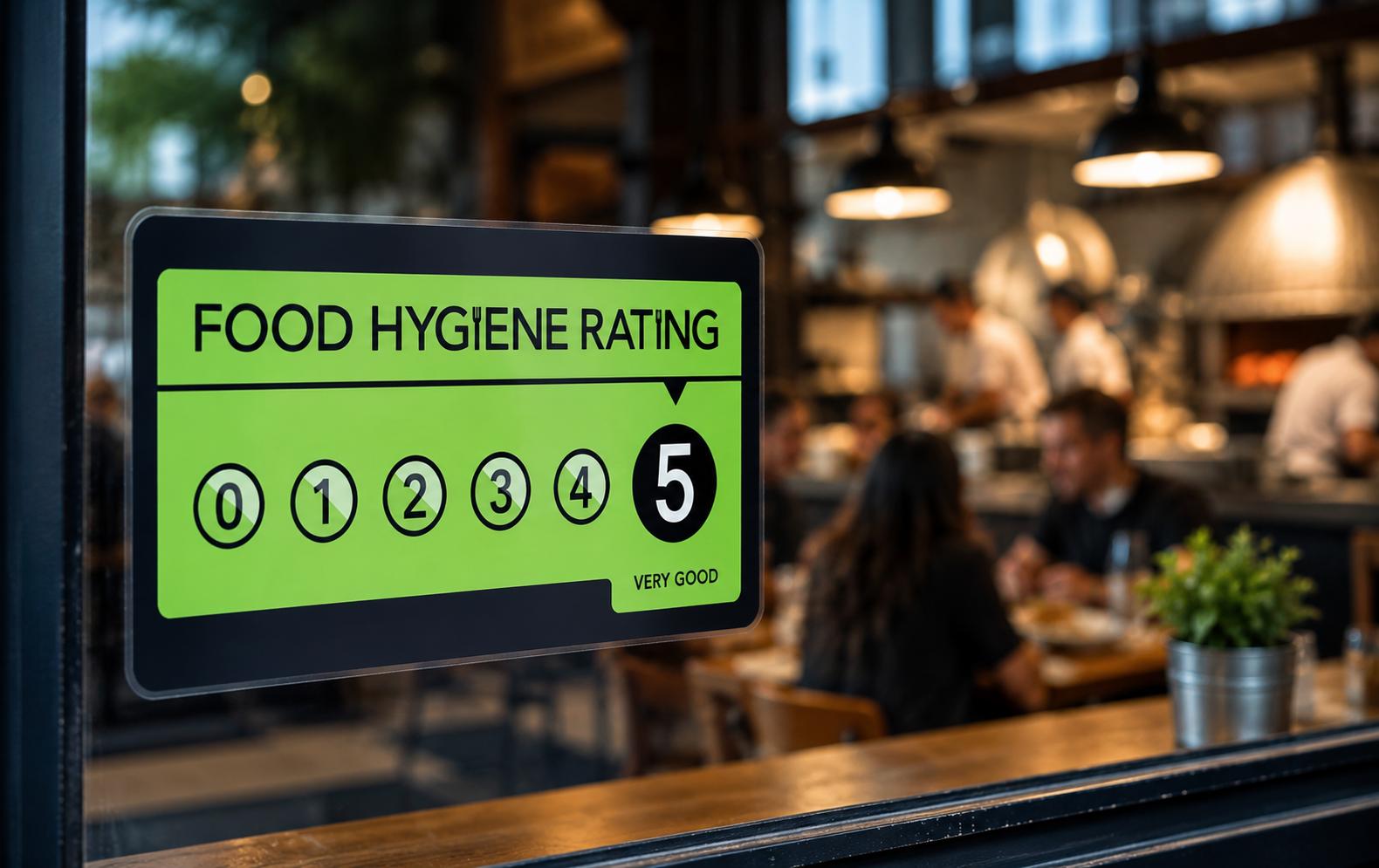
But while most people recognise the familiar zero-to-five stickers displayed in restaurant windows, far fewer fully understand how the food hygiene rating system actually works, what inspectors look for and how businesses can improve poor scores.
Across Newcastle, environmental health officers regularly inspect restaurants, pubs, cafes, supermarkets and takeaways as part of the Food Hygiene Rating Scheme run in partnership with the Food Standards Agency.
The inspections are designed to protect public health while helping customers make informed decisions about where they choose to eat.
What food hygiene ratings actually mean.
The Food Hygiene Rating Scheme gives businesses a score between zero and five after an inspection by environmental health officers.
A rating of five means hygiene standards are considered very good, while zero indicates urgent improvement is necessary.
The full scale works as follows:
5 - Very good.
4 - Good.
3 - Generally satisfactory.
2 - Improvement necessary.
1 - Major improvement necessary.
0 - Urgent improvement necessary.
The ratings apply to a wide range of food businesses across Newcastle including restaurants, pubs, cafes, sandwich shops, bakeries, supermarkets, school kitchens and mobile food vans.
Inspectors do not judge food quality, portion size or customer service. Instead, they focus specifically on food safety and hygiene standards.
How Newcastle restaurants are inspected.
Food hygiene inspections in Newcastle are carried out by environmental health officers working for Newcastle City Council.
Most inspections are unannounced, meaning businesses often receive no warning before officers arrive.
Inspectors typically examine several key areas during visits including:
Cleanliness of kitchens and food preparation areas.
Food storage temperatures.
Handling of raw and cooked foods.
Pest control measures.
Staff hygiene practices.
Cleaning routines.
Food safety documentation.
Building maintenance.
Inspectors may also speak with staff directly to assess food safety knowledge and training standards.
The complexity and type of business often determines how detailed the inspection becomes. A large city centre restaurant serving hundreds of customers daily may face more extensive checks than a small coffee kiosk.
Why some businesses are inspected more often.
Not all Newcastle food businesses are inspected at the same frequency.
Higher-risk premises are generally visited more regularly, particularly businesses handling large amounts of raw meat, seafood or high-risk foods.
Restaurants with previous hygiene problems may also receive more frequent inspections compared with businesses consistently maintaining high standards.
Environmental health officers assess risk factors including:
Type of food served.
Food handling methods.
Number of customers.
Previous hygiene history.
Structural conditions.
Confidence in management.
Some lower-risk businesses may go longer between inspections if officers believe standards are consistently well maintained.
What can lower a food hygiene score.
Many customers assume poor hygiene ratings always involve dirty kitchens or serious health hazards. In reality, ratings can drop for a wide variety of reasons.
Inspectors score businesses across three main categories:
Hygienic food handling.
Cleanliness and condition of facilities.
Management of food safety systems.
Even relatively small issues can affect ratings if inspectors believe standards require improvement.
Examples might include incomplete paperwork, poor fridge temperature monitoring, damaged flooring, inadequate cleaning schedules or food storage concerns.
Businesses can sometimes receive ratings lower than expected despite appearing visually clean to customers.
Health officers say paperwork and food safety systems play a much larger role in inspections than many people realise.
Newcastle’s food scene has grown rapidly.
Newcastle’s hospitality industry has expanded significantly over the past decade, with new restaurants, street food vendors and takeaway businesses opening across the city.
Areas such as the Quayside, Jesmond, Heaton and Ouseburn have become especially popular for independent food businesses.
The growth of delivery apps has also increased pressure on kitchens, particularly during busy evenings and weekends.
Environmental health experts say fast-moving kitchens and high customer demand can sometimes create additional hygiene challenges for businesses trying to maintain standards during peak periods.
Despite this, many Newcastle restaurants consistently achieve top hygiene ratings.
The city’s growing food reputation means businesses increasingly understand that strong hygiene scores can become an important marketing advantage.
Do businesses have to display their rating.
In England, businesses are not legally required to display their food hygiene rating sticker publicly, although many choose to do so.
However, all ratings remain available online through the Food Standards Agency website, allowing customers to search for Newcastle restaurants and takeaways before ordering.
Wales introduced mandatory display laws several years ago, but England has not yet followed the same approach.
Consumer groups have repeatedly argued that compulsory display would improve transparency and encourage higher standards across the food industry.
Supporters say visible ratings help customers make quicker decisions and motivate businesses to maintain stronger hygiene practices.
What happens after a poor inspection.
Businesses receiving low food hygiene scores are usually given guidance explaining which improvements are required.
Environmental health officers may arrange follow-up visits depending on the seriousness of the issues identified during inspection.
In severe cases involving immediate health risks, officers can take formal legal action including closure notices or prosecution.
However, many businesses improve significantly after receiving poor ratings initially.
Restaurant owners often invest heavily in deep cleaning, staff training, kitchen repairs and updated food safety systems following inspections.
Businesses also have the right to request re-inspections once improvements are completed.
Why customers care more about hygiene ratings now.
Public awareness surrounding food hygiene has increased sharply in recent years thanks to social media, online reviews and food delivery apps.
Many customers now actively search hygiene scores before visiting restaurants or ordering takeaways.
Low ratings can spread quickly online, sometimes damaging a business’s reputation even after improvements are made.
Food safety experts say younger consumers in particular are far more likely to check ratings digitally compared with previous generations.
In Newcastle’s highly competitive restaurant market, hygiene scores can influence customer behaviour significantly.
Hospitality specialists say businesses with strong ratings often use them proudly in marketing material and social media posts to build customer confidence.
Food delivery apps have changed customer behaviour.
The rise of Uber Eats, Deliveroo and Just Eat has also transformed how people interact with hygiene ratings.
Customers ordering online may never physically visit a restaurant, meaning hygiene scores become one of the few visible indicators of kitchen standards.
Some delivery platforms now display hygiene ratings directly within apps, making them harder for customers to ignore.
Industry experts believe this has increased pressure on Newcastle takeaways and fast food outlets to maintain strong inspection results.
Late-night businesses serving city centre nightlife areas often face especially high scrutiny because of the speed and volume of food production involved.
What Newcastle diners should actually look for.
Food safety professionals say customers should avoid overreacting to every score below five.
A rating of three, for example, still means standards are generally satisfactory and legal requirements are being met.
However, repeated low scores or ratings of zero, one or two may indicate more serious concerns requiring closer attention.
Experts recommend customers look for businesses demonstrating consistent improvement over time rather than focusing only on single inspection snapshots.
It is also important to remember that inspections reflect conditions on a specific day rather than continuous real-time monitoring.
Even highly rated restaurants can experience occasional issues between inspections.
Newcastle restaurants say ratings matter more than ever.
Restaurant owners across Newcastle increasingly acknowledge that hygiene ratings now directly impact customer confidence and business performance.
Many businesses invest heavily in staff training, cleaning systems and kitchen maintenance specifically to protect top ratings.
For independent restaurants especially, reputation can be everything in Newcastle’s crowded hospitality market.
Owners say maintaining a strong hygiene score is no longer simply about regulatory compliance but also about surviving in a highly competitive food scene where online reviews and customer trust play a massive role.
As Newcastle’s restaurant industry continues evolving, food hygiene ratings are likely to remain one of the most influential factors shaping where people choose to eat.
Do food hygiene ratings affect where you eat in Newcastle, or do you pay more attention to reviews and recommendations? Share your thoughts and experiences in the comments below.
Food & Drink News
How Food Hygiene Ratings Really Work for Newcastle Restaurants
Advertisement



Comments (0)
You must be logged in to post comments.
Don't have an account? Register here
No comments yet. Be the first to share your thoughts!