
Food laws vary dramatically across the world, and some products considered completely normal in Britain are illegal in other countries. At the same time, many foods enjoyed abroad cannot legally be sold in the UK because of British safety regulations, animal welfare rules, or health concerns.
These differences often surprise travellers, especially when products found in ordinary supermarkets suddenly become restricted or banned after crossing a border. In some cases, the bans are linked to scientific studies and food safety fears. In others, cultural traditions, environmental concerns, or political decisions play a major role.
From Scottish delicacies and controversial cheeses to brightly coloured sweets and unusual seafood, governments around the world continue debating what should and should not appear on dinner tables.
Why countries ban certain foods.
Food bans are rarely random. Most restrictions happen because governments believe a product could harm public health, animal welfare, or the environment.
Different countries also follow very different approaches to regulation. The UK and European countries often apply stricter rules to artificial additives, farming chemicals, and genetically modified ingredients. Meanwhile, some countries outside Europe allow products that Britain considers unsafe or insufficiently tested.
Cultural attitudes matter too. A food considered traditional and harmless in one country may seem dangerous or unacceptable elsewhere.
In many cases, products become controversial because of one specific ingredient, production method, or preparation technique rather than the food itself.
Haggis is banned in the United States.
One of the most famous examples of a British food banned abroad is haggis. The traditional Scottish dish, made from sheep organs mixed with oats and spices, has long faced restrictions in the United States.
The issue centres on sheep lung, an ingredient traditionally used in authentic haggis recipes. US food safety laws prohibit the sale of livestock lungs for human consumption because of concerns about contamination during slaughter.
Despite repeated efforts by Scottish food producers to overturn the restriction, traditional haggis remains effectively banned from being imported into America.
The ban has become something of a cultural talking point in Scotland, especially around Burns Night celebrations when haggis is traditionally served.
Unpasteurised cheeses face restrictions worldwide.
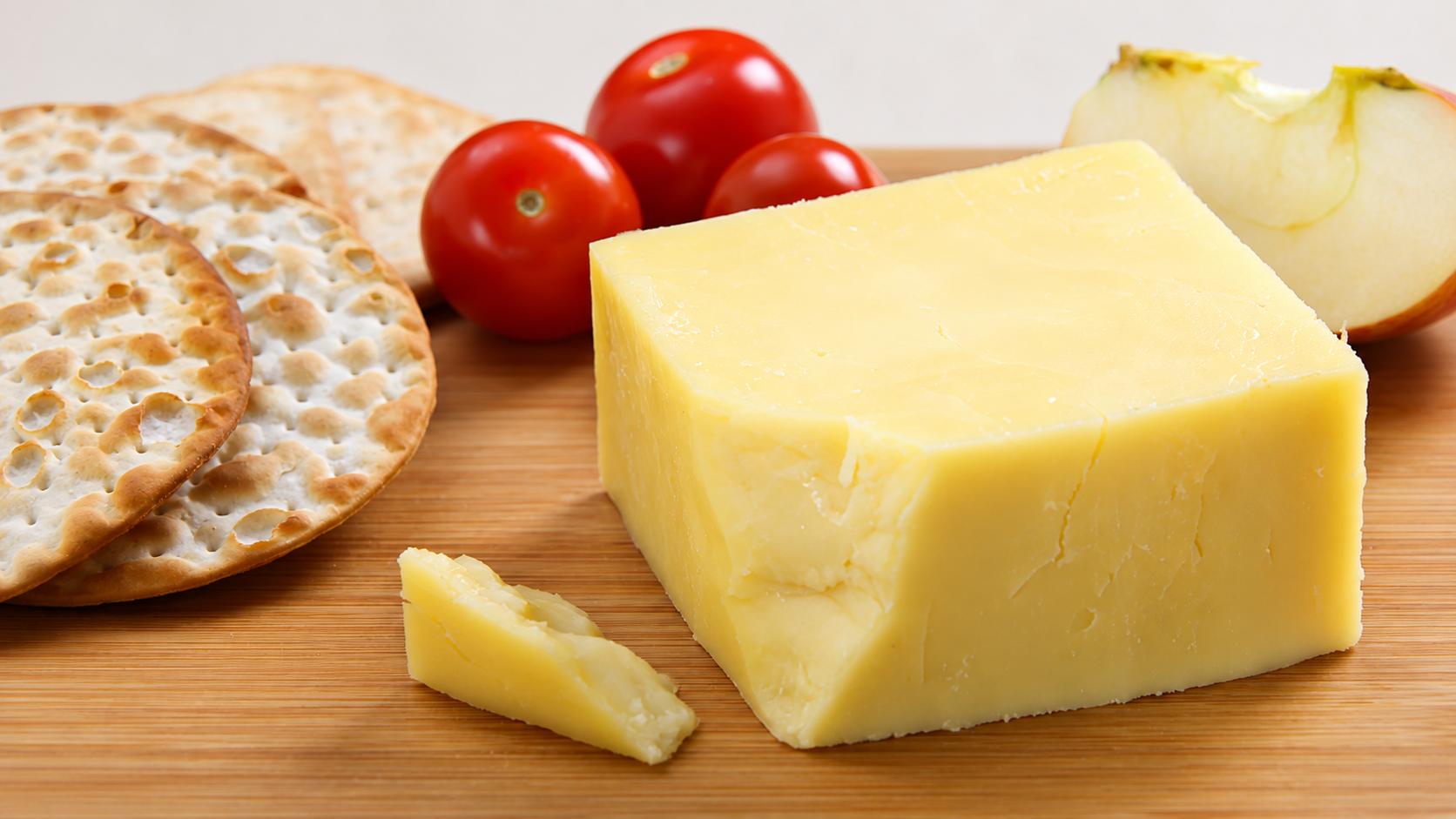
Certain cheeses commonly sold in Britain also face restrictions in parts of the world. Unpasteurised cheese, often referred to as raw milk cheese, remains controversial because it can carry bacteria such as listeria or salmonella if not produced carefully.
In the UK and much of Europe, strict regulations allow many traditional raw milk cheeses to be sold legally. However, some countries impose tougher restrictions or outright bans on specific varieties.
Soft cheeses made from raw milk are particularly controversial because they carry higher risks if improperly stored.
Supporters argue that raw milk cheeses preserve traditional flavours and centuries-old production methods. Critics say the potential health risks outweigh the cultural benefits.
The debate has become increasingly heated as artisanal food markets continue growing internationally.
Kinder Surprise eggs were once banned in America.
For years, Kinder Surprise eggs became one of the world’s most famous banned sweets.
The chocolate eggs, hugely popular across the UK and Europe, contain a small toy hidden inside the shell. However, US law historically prohibited confectionery products containing non-edible objects because of choking concerns.
As a result, travellers entering the United States with Kinder eggs occasionally had them confiscated at airports and border crossings.
The restriction became so well known that the chocolate eggs developed a reputation as a strange international food loophole. While modified versions are now sold in America, the original European-style Kinder Surprise remained restricted for decades.
Foie gras has faced growing bans.
Foie gras remains legal in Britain, but the controversial delicacy has been banned or restricted in several countries and cities around the world.
The product is made by fattening ducks or geese, often through force-feeding methods that animal rights groups strongly oppose.
Critics argue the production process is cruel and unethical. Supporters claim foie gras is an important culinary tradition with historical significance in French cuisine.
Although foie gras imports are still legal in parts of the UK, political pressure around animal welfare continues growing. Some British retailers have already stopped selling it voluntarily.
The debate reflects a broader shift in how governments increasingly consider animal welfare when shaping food regulations.
Shark fin soup is banned in Britain.
While shark fin soup remains a delicacy in parts of Asia, the UK introduced stricter laws against shark fin imports and exports because of environmental concerns.
Conservation groups have long argued that shark finning contributes to severe declines in global shark populations. The practice often involves removing fins before discarding the animal back into the sea.
British lawmakers supported tighter restrictions as part of wider marine conservation efforts.
Environmental campaigners say food bans linked to sustainability issues are likely to become more common worldwide in the future.
Casu marzu is illegal in the UK.
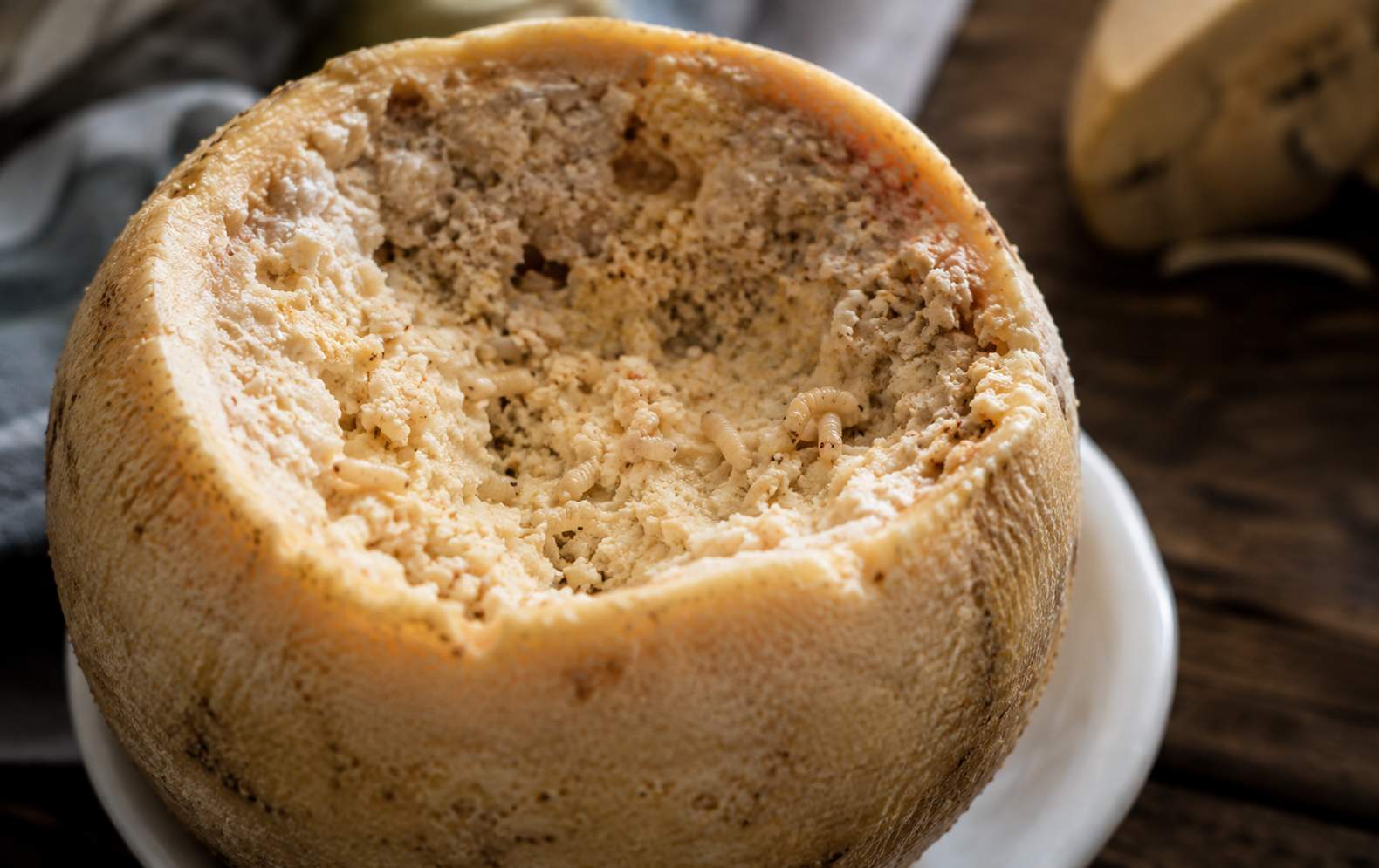
One of the world’s most controversial cheeses is Casu marzu, a traditional Sardinian cheese containing live insect larvae.
The cheese, produced in parts of Italy, is intentionally exposed to flies during fermentation. The larvae help break down fats inside the cheese, creating an extremely soft texture.
However, UK food safety regulations prohibit its sale because of hygiene concerns and fears surrounding live insect contamination.
Although some food enthusiasts continue seeking it out illegally, Casu marzu remains banned in several countries including Britain.
The cheese has developed an almost mythical reputation among adventurous travellers searching for unusual foods around the world.
Chlorinated chicken remains controversial.
One of the most politically debated food topics in Britain involves chlorinated chicken from the United States.
In America, poultry producers commonly wash chicken in chlorine-based solutions to reduce bacteria levels after slaughter. UK and European regulators historically opposed the process, arguing hygiene standards should focus on farming conditions earlier in the production chain instead.
As a result, chlorinated chicken cannot legally be sold under existing UK food standards.
The issue became highly controversial during Brexit trade negotiations, with many consumers worried British food standards could eventually change under future international trade deals.
Supporters of the American system argue the chicken is safe to eat. Critics say the practice reflects lower animal welfare and food production standards overall.
Fugu remains tightly controlled in Britain.
Fugu, the famous Japanese pufferfish dish, is considered one of the world’s most dangerous foods.
The fish contains tetrodotoxin, a potentially deadly poison capable of causing paralysis or death if prepared incorrectly. In Japan, chefs must undergo years of specialist training before receiving licenses to serve it.
In Britain, strict import and preparation rules make genuine fugu extremely rare and heavily controlled.
Although not entirely illegal, the dish remains one of the most tightly regulated foods available in the UK because of the severe risks associated with improper handling.
Raw milk sales remain restricted.
Raw milk continues dividing opinion globally.
In some countries, including parts of the United States, raw milk sales face strict limitations or outright bans because unpasteurised milk can carry harmful bacteria.
In Britain, raw milk sales are legal under specific conditions and must meet strict labelling and safety requirements.
Supporters claim raw milk offers health and taste benefits compared to pasteurised alternatives. Public health officials, however, continue warning about potential risks, especially for children, elderly people, and pregnant women.
The debate highlights how scientific evidence, consumer freedom, and government regulation often collide in modern food policy.
Why food bans continue evolving.
Food laws constantly change as scientific understanding, public attitudes, and political priorities evolve.
Some foods once considered dangerous later become accepted, while others face new restrictions after emerging health or environmental concerns.
Social media has also amplified global awareness around controversial food products. Viral videos and online debates regularly influence public opinion about farming methods, additives, sustainability, and animal welfare.
Experts believe governments will continue tightening rules around certain foods as consumers demand greater transparency about ingredients, production methods, and environmental impact.
At the same time, food tourism and international trade continue exposing people to unfamiliar cuisines and cultural traditions from around the world.
That combination of global curiosity and growing regulation means debates over banned foods are unlikely to disappear anytime soon.
For travellers and food lovers, these restrictions offer a fascinating glimpse into how differently countries define safety, ethics, and culinary tradition.
What do you think about foods being banned in different countries around the world?
Food & Drink News
The Surprising Foods Legal in Newcastle but Banned Internationally
Advertisement

Comments (0)
You must be logged in to post comments.
Don't have an account? Register here
No comments yet. Be the first to share your thoughts!