
With food prices remaining a major concern for households across the UK, shoppers are increasingly looking for practical ways to reduce their weekly grocery bills. One of the most effective tools available is often sitting quietly in a wallet, purse or smartphone app.
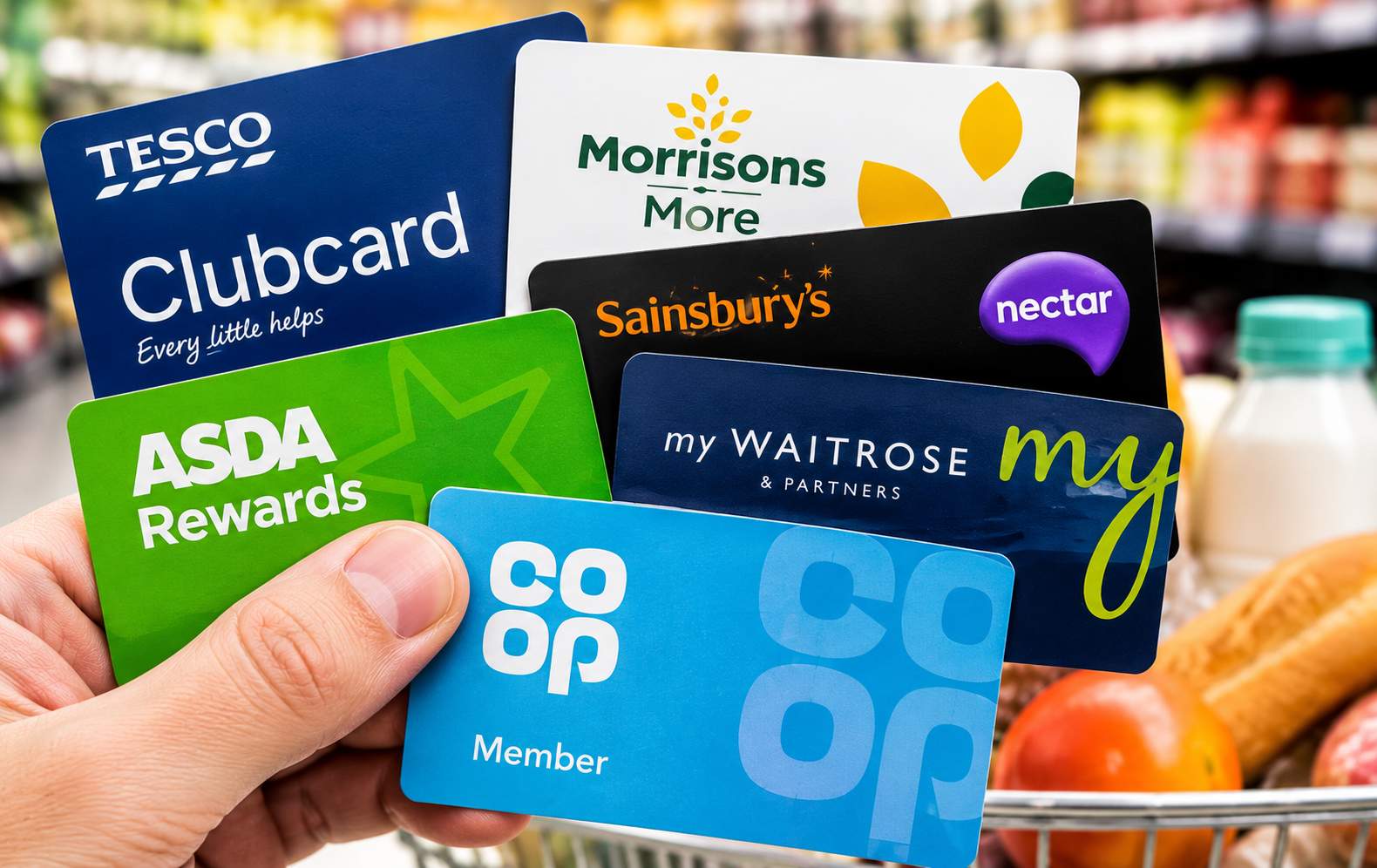
Supermarket reward programs have become a central part of modern grocery shopping. Whether it's Tesco Clubcard, Nectar, Lidl Plus, Morrisons More or My Waitrose, loyalty schemes are now used by millions of consumers every week. Yet despite their popularity, many shoppers fail to take full advantage of the savings available.
Industry experts suggest that when used strategically, supermarket loyalty schemes can save households hundreds of pounds annually through discounts, personalised offers, points accumulation and exclusive promotions. The key is understanding how these programs work and using them intelligently rather than simply collecting points without a plan.
As household budgets remain under pressure, learning how to maximise supermarket rewards could make a meaningful difference over the course of a year.
Loyalty Programs Have Become A Major Part Of Grocery Shopping.
Supermarket reward programs are no longer a niche marketing tool. They have become one of the most important ways retailers engage with customers.
According to data published by Statista and various supermarket groups, loyalty card participation rates in the UK remain extremely high, with many major schemes boasting millions of active members. Tesco Clubcard alone has more than 20 million members across the UK, while Nectar is used by millions of shoppers through partners including Sainsbury's, Argos and eBay.
The widespread adoption of loyalty schemes reflects changing consumer behaviour. Shoppers increasingly expect rewards, personalised discounts and exclusive offers in return for their loyalty.
Retailers benefit by gaining insight into purchasing habits, while consumers gain access to savings opportunities that are often unavailable to non-members.
Always Scan Your Loyalty Card.
One of the simplest mistakes shoppers make is forgetting to use their loyalty card during purchases.
Many supermarkets now offer immediate discounts that are only available to loyalty card holders. In some cases, products can cost significantly more without a registered card or app.
Tesco's Clubcard Prices initiative has become one of the most visible examples of this trend, with many products offering member-exclusive discounts. Similar approaches have been adopted by other retailers seeking to encourage greater loyalty scheme participation.
Missing a single transaction may seem insignificant, but repeated missed opportunities can quickly add up over the course of a year.
Keeping loyalty cards stored digitally on a smartphone can help ensure they are always available when needed.
Focus On Discounts Rather Than Points Alone.
Many consumers become overly focused on accumulating points while overlooking direct savings opportunities.
Although points can provide value over time, immediate discounts often deliver greater financial benefits. Special promotions, personalised coupons and member-exclusive pricing frequently produce larger savings than points accumulation alone.
Consumer finance experts often recommend prioritising actual cash savings before considering long-term reward balances.
For example, saving £10 instantly on a shopping trip is generally more valuable than collecting points that may eventually convert into a smaller future reward.
Understanding the difference between rewards and real savings can help shoppers make better decisions.
Take Advantage Of Personalised Offers.
One of the biggest benefits of modern supermarket reward programs is personalised promotions.
Many loyalty schemes analyse purchasing patterns and generate offers based on previous shopping behaviour. These promotions can provide substantial discounts on products that customers regularly buy.
Rather than ignoring emails or app notifications, shoppers should review available offers before visiting a store or placing an online order.
Some consumers save significant amounts each month simply by activating digital coupons before shopping.
Because these promotions are often tailored to individual buying habits, they can provide more relevant value than general supermarket sales.
Use Reward Apps Alongside Loyalty Cards.
Many supermarkets have expanded their loyalty programs through mobile apps.
Applications such as Lidl Plus, Tesco Grocery & Clubcard and Nectar allow users to access additional rewards, digital vouchers and exclusive promotions.
Research from Ofcom suggests smartphone adoption remains extremely high across the UK, making app-based rewards increasingly accessible to consumers.
Using loyalty apps also eliminates the need to carry physical cards while providing instant access to current offers.
Many supermarkets reserve their best promotions for app users, making digital participation increasingly worthwhile.
Don't Let Points Expire.
One of the most overlooked aspects of loyalty schemes involves reward expiry dates.
Many programs include expiration policies that remove unused points after a certain period of inactivity. Consumers who fail to monitor their balances may lose accumulated rewards without realising it.
Checking loyalty accounts regularly can help ensure points are redeemed before they disappear.
While expiry policies vary between retailers, maintaining awareness of account activity is an important part of maximising long-term value.
A few minutes spent reviewing reward balances can prevent unnecessary losses.
Combine Rewards With Cashback Opportunities.
Some of the most successful savers combine multiple reward systems.
In addition to supermarket loyalty programs, cashback credit cards and cashback platforms can provide additional savings on grocery purchases.
Financial comparison websites frequently highlight how layering rewards can increase overall returns. For example, shoppers may earn supermarket points while simultaneously receiving cashback through a payment method.
When managed responsibly, combining reward systems can significantly increase annual savings.
However, experts caution against overspending simply to earn rewards, as interest charges can quickly outweigh any benefits.
Avoid Buying Items Just To Earn Points.
Supermarket loyalty programs are designed to encourage spending.
While rewards can provide genuine value, consumers should remain cautious about purchasing unnecessary products solely to collect additional points.
Behavioural finance experts often point out that retailers carefully structure promotions to encourage larger basket sizes. Multi-buy deals and bonus point offers may appear attractive but can increase overall spending if purchases are not genuinely needed.
The most effective strategy is to focus rewards around existing shopping habits rather than changing behaviour to chase incentives.
Smart shoppers allow rewards to support planned purchases rather than dictate them.
Compare Loyalty Schemes To Find The Best Value.
Not all supermarket reward programs provide equal benefits.
The value of points, available discounts and redemption options can vary considerably between retailers. Some schemes focus heavily on personalised discounts, while others emphasise points collection or partner rewards.
Consumer organisations regularly compare loyalty programs to assess which offer the strongest value for different types of shoppers.
The best scheme often depends on individual circumstances, shopping frequency and preferred retailers.
Taking time to understand available options can help maximise long-term savings.
Small Savings Can Add Up Quickly.
One of the reasons supermarket reward programs are so effective is that grocery shopping is a recurring expense.
Unlike occasional purchases such as electronics or furniture, food shopping occurs every week. Even modest savings on regular purchases can accumulate into substantial annual benefits.
For example, saving just £5 per week through loyalty discounts, coupons and rewards could equate to more than £250 over a year. Larger households may achieve significantly higher savings.
This demonstrates why consistent use of loyalty programs can be such a valuable budgeting tool.
Smart Shopping Starts With Better Habits.
Supermarket reward programs are not a magic solution to rising grocery costs, but they can be a useful part of a broader money-saving strategy.
The most successful shoppers approach loyalty schemes with a clear plan. They scan their cards consistently, activate personalised offers, use digital apps, monitor reward balances and avoid spending more simply to earn points.
As competition between supermarkets continues to intensify, loyalty programs are likely to become even more important. Retailers will continue offering incentives designed to attract and retain customers, creating opportunities for informed shoppers to benefit.
Used wisely, supermarket reward programs can help households reduce grocery bills, stretch budgets further and make everyday shopping more affordable without sacrificing quality or convenience.
Which supermarket reward program do you think offers the best value for money? Share your experiences and money-saving tips in the comments below.
Food & Drink News
How Loyalty Cards Are Helping Newcastle Families Stretch Their Budgets
Advertisement





Comments (0)
You must be logged in to post comments.
Don't have an account? Register here
No comments yet. Be the first to share your thoughts!