
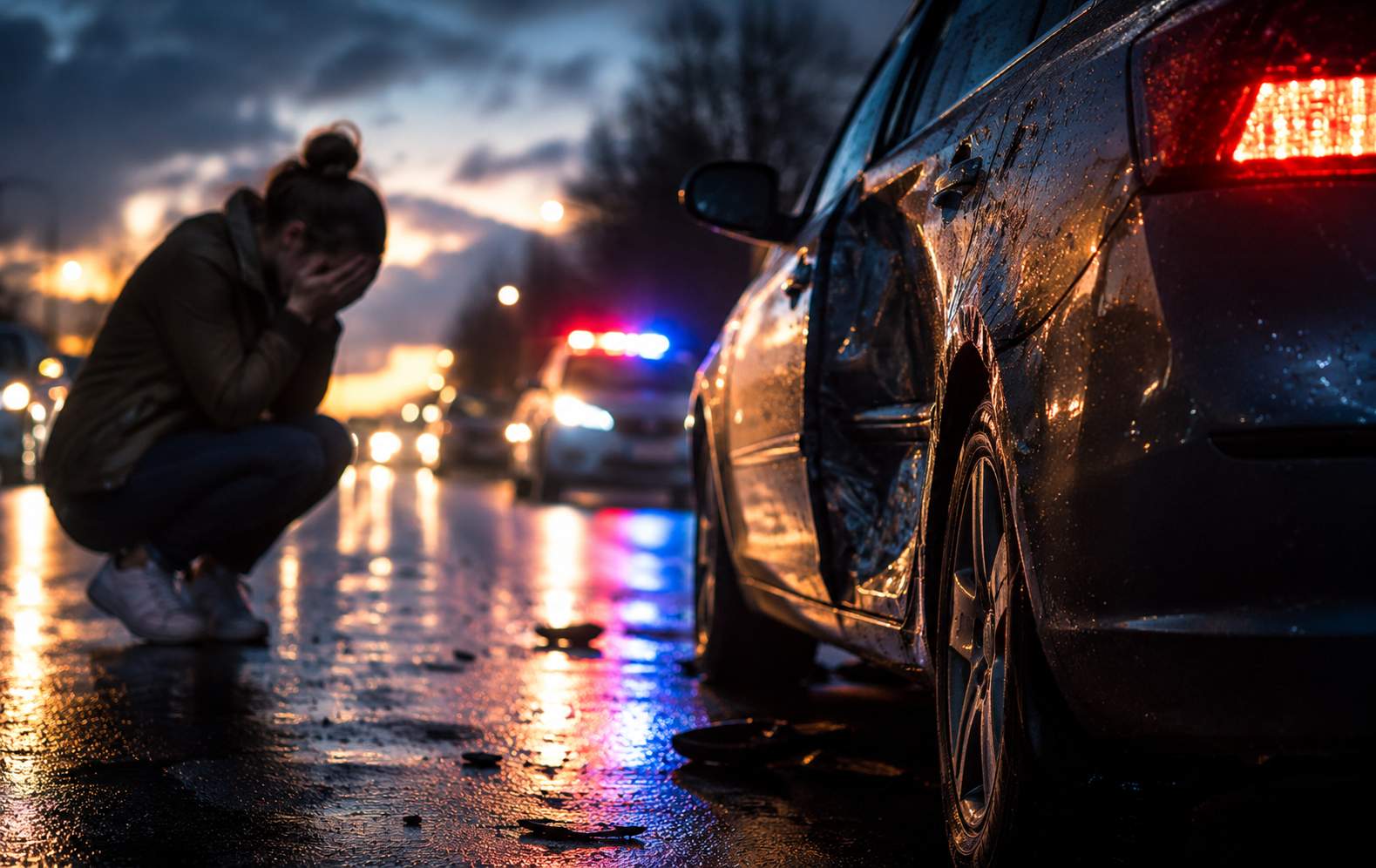
Hit-and-run accidents continue to be a major concern for motorists across Newcastle and the wider UK. Whether a vehicle has been damaged while parked on a residential street, involved in a collision in the city centre, or struck on one of the region's busy roads, victims are often left frustrated when the responsible driver leaves the scene without providing their details.
For many drivers, the first instinct is to search for the vehicle owner using the registration number. However, strict UK privacy laws mean it is not as straightforward as entering a number plate into a database and receiving the driver's name and address.
While personal information is protected by law, there are still several ways motorists can gather valuable details about a vehicle's history. Understanding what information is available, and how it can be legally obtained, is especially important for anyone dealing with a hit-and-run accident in Newcastle or elsewhere in the UK.
Hit-And-Run Incidents Continue To Affect Newcastle Roads.
Road safety remains a significant issue across Newcastle and the wider North East. While many accidents are minor, incidents involving drivers who fail to stop can leave victims facing costly repairs, insurance complications, and lengthy investigations.
Recent Department for Transport figures show that more than 128,000 road casualties were reported across Great Britain during 2024, including over 1,600 fatalities. These figures highlight the ongoing challenges facing road users and the importance of responsible driving behaviour.
Newcastle has witnessed several high-profile hit-and-run incidents in recent years. One of the most serious cases involved a speeding driver who fled the scene after crashing into a bus stop on West Denton Way, resulting in the death of 19-year-old Joe Scott and injuries to two others. Following an investigation by Northumbria Police, the driver was identified, prosecuted, and jailed.
Cases like this demonstrate why obtaining and recording a vehicle registration number can be crucial when a driver leaves the scene of an accident.
Can You Find Out Who Owns A Car Through A Number Plate Check?
The simple answer is no.
Members of the public cannot legally obtain a vehicle owner's name, address, or personal contact information through a standard registration plate search. The Driver and Vehicle Licensing Agency, commonly known as the DVLA, protects registered keeper information under strict data protection legislation.
These privacy rules exist to prevent misuse of personal information and ensure vehicle owners are protected from harassment, fraud, or unauthorised contact.
Unless an individual can demonstrate a valid legal reason, access to registered keeper details is restricted.
This means that even if you have the registration number of a vehicle involved in a hit-and-run accident, you cannot simply search online and discover who owns the car.
What Information Can A Car Owner Check Provide?
Although personal details remain protected, vehicle history checks can still provide useful information about a car's background.
A legitimate car owner check may reveal the number of previous keepers, the date of the most recent ownership transfer, where the vehicle was first registered, and details relating to V5C logbook activity.
Some checks may also highlight unusual ownership patterns that could indicate potential issues with the vehicle.
For buyers considering a used car, this information can help identify potential risks before making a purchase. For those involved in accidents, ownership history can provide useful supporting evidence when dealing with insurance companies or law enforcement agencies.
Vehicle history checks cannot reveal the current owner's identity, but they can help build a clearer picture of the vehicle involved.
Why Vehicle Ownership Information Matters After A Hit-And-Run.
When a driver leaves the scene of an accident, victims are often left with very little evidence beyond the registration number and any witness accounts.
Insurance providers and police investigators rely heavily on accurate information when attempting to identify those responsible.
Recording the registration number, taking photographs where possible, and gathering witness details can significantly improve the chances of a successful investigation.
For Newcastle motorists, where busy routes such as the A1, Coast Road, Central Motorway, and surrounding urban roads experience heavy traffic each day, obtaining accurate information at the scene can make a substantial difference.
Even when personal ownership details cannot be accessed directly, the registration number provides investigators with a valuable starting point.
Situations Where DVLA Owner Searches May Be Necessary.
Hit-and-run accidents are among the most common reasons motorists seek ownership information, but they are not the only circumstances where a DVLA owner search may be required.
A vehicle repeatedly blocking access to a private driveway can create ongoing disruption for homeowners. In such situations, individuals may need to establish who is responsible.
Businesses involved in vehicle resale often conduct ownership checks to assess risk and verify a vehicle's history before investing.
Ownership information may also be required in legal disputes, insurance claims, debt recovery cases, or situations involving public safety concerns.
In each case, individuals must demonstrate a legitimate reason before any personal information can be considered for release.
When Can The DVLA Release Registered Keeper Information?
The DVLA may disclose registered keeper information if an applicant can demonstrate what is known as a reasonable cause.
Examples may include road traffic collisions, legal proceedings, insurance investigations, parking enforcement matters on private land, or concerns relating to public safety.
Each request is assessed individually, and approval is not guaranteed.
The DVLA carefully considers the evidence submitted and determines whether releasing the information complies with legal requirements and privacy regulations.
This process helps balance the need for legitimate investigations with the protection of personal information.
How To Request Vehicle Ownership Information Through The DVLA.
If you believe you have a valid reason for obtaining registered keeper information, you may submit a request using the DVLA's V888 application form.
The process begins by gathering evidence that supports your claim. This may include photographs, witness statements, correspondence, police incident numbers, insurance documents, or records showing the issue in question.
Applicants must then complete the V888 form and provide a clear explanation of why the information is required.
Once submitted, the DVLA reviews the application and determines whether the request satisfies the criteria for reasonable cause.
If approved, the relevant information may be released. If not, the request will be declined.
It is important to understand that the DVLA does not provide keeper information simply because someone is curious about a vehicle or wishes to contact the owner.
Why Vehicle History Checks Remain Important.
Even though personal ownership details cannot be freely accessed, vehicle history reports remain one of the most valuable tools available to motorists.
They provide useful insights into ownership changes, registration activity, and vehicle records that may influence purchasing decisions or support investigations.
For victims of hit-and-run accidents, combining vehicle history information with police reports, witness statements, and insurance evidence often provides the strongest foundation for pursuing a claim.
As vehicle-related fraud and road traffic incidents continue to affect drivers across Newcastle and the UK, understanding the legal methods available for accessing information can help motorists protect themselves and make informed decisions.
The Bottom Line For Newcastle Drivers.
A number plate alone will not reveal a vehicle owner's personal details, but it can still provide valuable information when used correctly.
For victims of hit-and-run accidents in Newcastle, the most important steps remain gathering evidence, reporting the incident to Northumbria Police, notifying your insurer, and preserving any details linked to the vehicle involved.
While privacy laws rightly protect registered keeper information, legitimate channels such as vehicle history checks and DVLA applications remain available when there is a genuine legal reason to pursue further information.
Understanding these options can help motorists navigate difficult situations and improve the chances of a successful outcome following a hit-and-run incident.
Have you witnessed or been involved in a hit-and-run accident in Newcastle? Share your experience in the comments below and help raise awareness of road safety across the city.
Crime News
How to Legally Investigate a Vehicle After a Hit-and-Run Accident
Advertisement




Comments (0)
You must be logged in to post comments.
Don't have an account? Register here
No comments yet. Be the first to share your thoughts!